

 Contattaci

 Casa /
 Valvola a saracinesca o valvola a globo: come scegliere la valvola giusta per la tua condotta

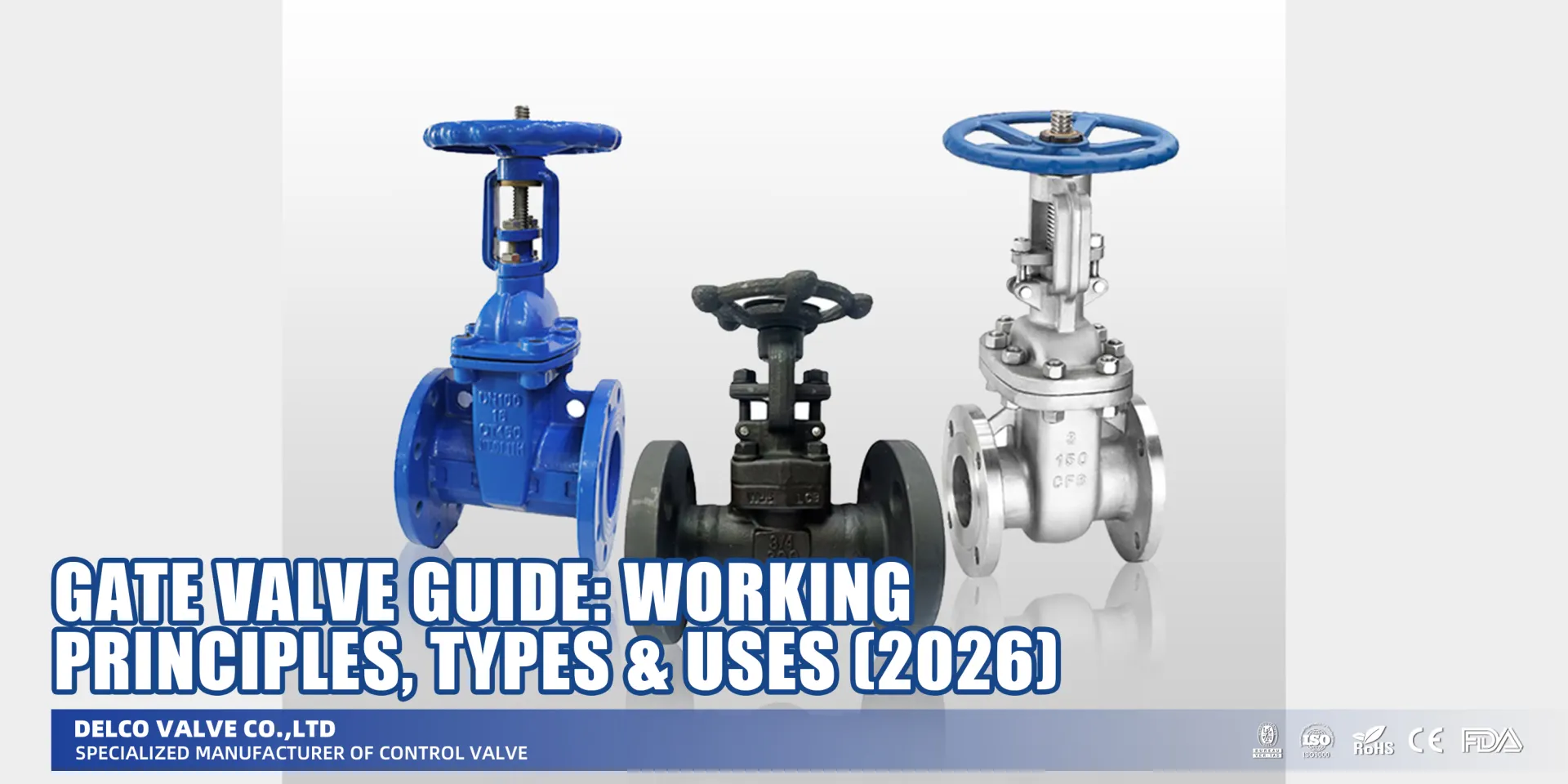
Guida alle valvole a saracinesca: principi di funzionamento, tipologie e utilizzi (2026)
Dicembre 30, 2025
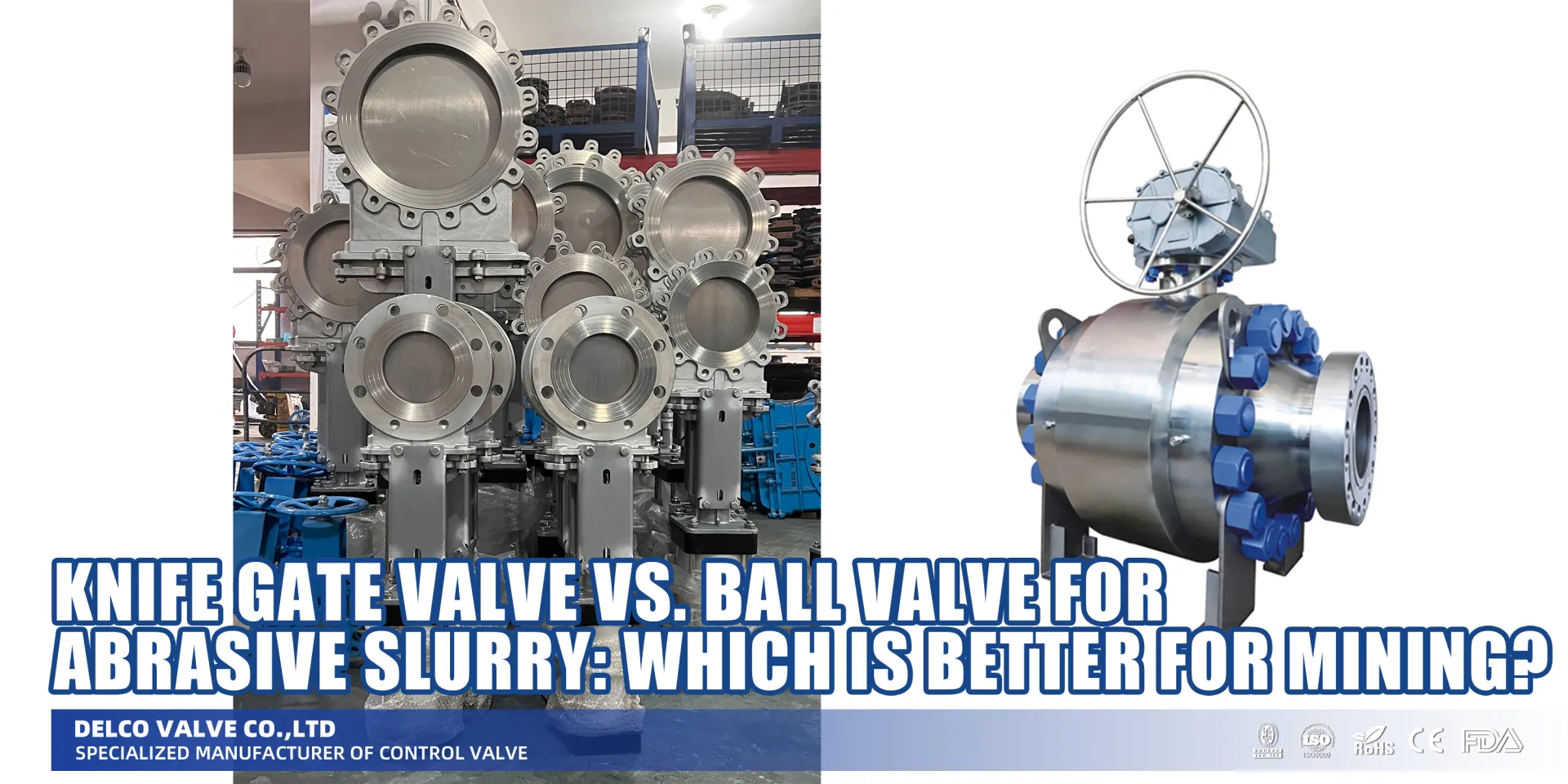
Valvola a saracinesca a coltello o valvola a sfera per fanghi abrasivi: quale è la migliore per l'industria mineraria?
APRILE 24, 2026
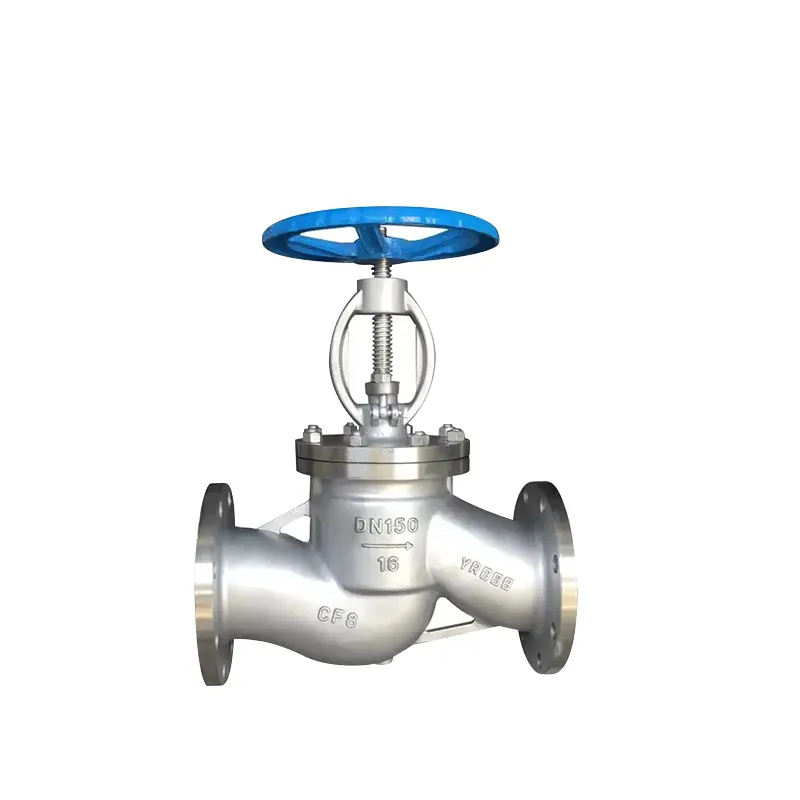
Valvola a globo manuale: progettazione, funzioni, tipologie e guida essenziale alla manutenzione.
Novembre 11, 2025
Nella progettazione o manutenzione di un sistema di tubazioni, la scelta tra una valvola a saracinesca e una valvola a globo è una decisione cruciale che incide direttamente sulla fluidodinamica, sull'efficienza del sistema e sui costi operativi. Sebbene entrambe siano valvole a movimento lineare, sono progettate per funzioni fondamentalmente diverse.
Aspetti chiave da considerare nella scelta delle valvole:
Scegliete una valvola a saracinesca quando la vostra condotta richiede un isolamento affidabile del fluido (servizio on/off) con minima perdita di carico e massima efficienza di flusso. Le valvole a saracinesca devono funzionare solo in posizione completamente aperta o completamente chiusa.
Scegliete una valvola a globo quando la vostra applicazione richiede una regolazione precisa del flusso, una strozzatura o un funzionamento frequente, e quando è accettabile una maggiore caduta di pressione.
Cos'è un Valvola a saracinesca?
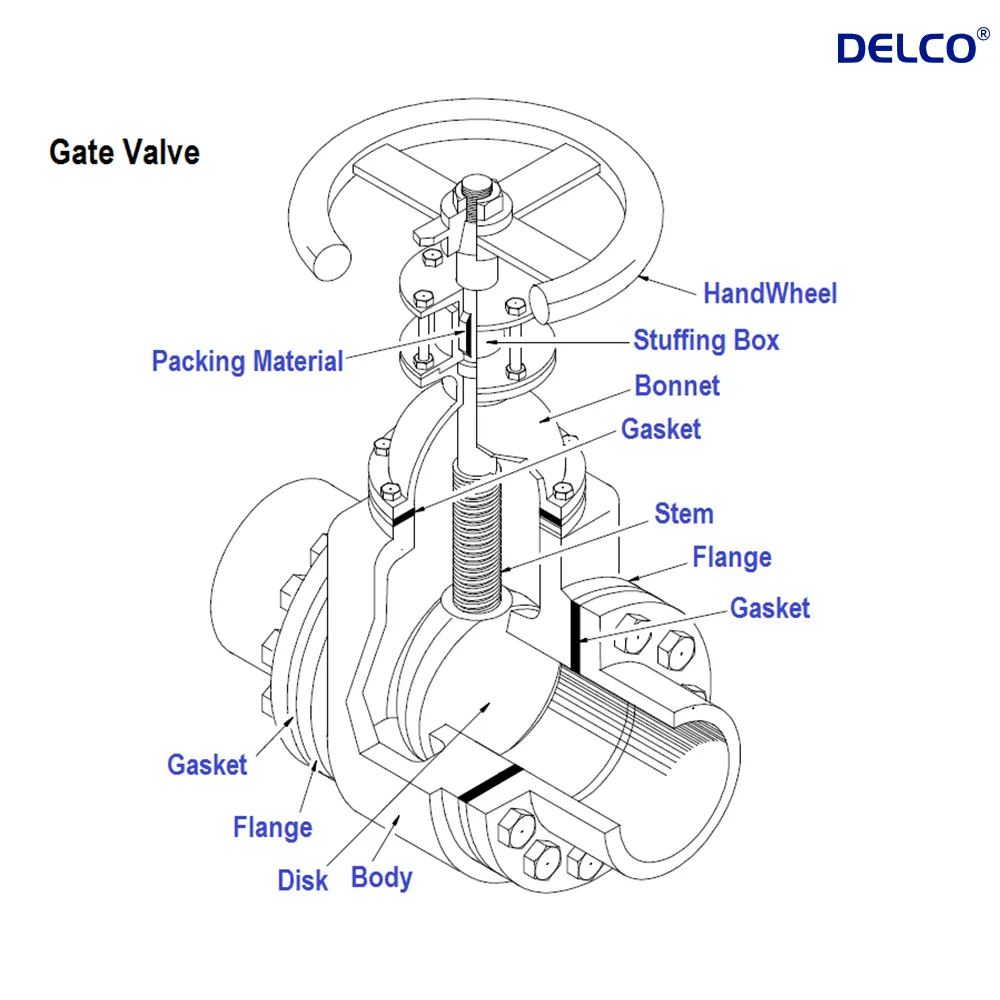
Definizione e principio di funzionamento
Una valvola a saracinesca è una valvola di intercettazione a movimento lineare progettata principalmente per l'apertura e la chiusura di circuiti di fluido in sistemi di tubazioni industriali. Utilizza una saracinesca piatta o a forma di cuneo che si muove verticalmente per aprire o chiudere il flusso.
- Posizione aperta: La paratoia viene completamente sollevata dal flusso, creando un passaggio quasi rettilineo a tutta lunghezza con minimo calo di pressione e bassa resistenza ai fluidi.
- Posizione chiusa: Il cancello è premuto saldamente nei sedili, fornendo una forte sigillatura bidirezionale e un isolamento affidabile.
Grazie a questa progettazione, le valvole a saracinesca sono ideali laddove è necessario un flusso completo o un'interruzione totale , non una regolazione fine del flusso o una strozzatura.
Componenti chiave e struttura (OS&Y vs. stelo non ascendente)
Una valvola a saracinesca di qualità si distingue per un corpo, un coperchio, uno stelo, una saracinesca (disco), sedi e un sistema di tenuta robusti . Nelle applicazioni industriali statunitensi, la progettazione dello stelo è fondamentale:
- OS&Y (Vite esterna e giogo / Stelo ascendente):
- Lo stelo si muove su e giù all'esterno del corpo valvola, mostrando chiaramente la posizione della valvola.
- Imballaggio più facile da ispezionare e manutenere.
- Preferito per raffinerie, centrali elettriche e isolamento critico dove l'indicazione visiva della posizione e la sicurezza sono prioritarie.
- Stelo non ascendente:
- Lo stelo ruota sul posto mentre il meccanismo di apertura si muove internamente.
- Più compatto, ideale dove spazio di installazione è limitato o sotterraneo.
- comune in acquedotti comunali e condotte interrate.
Entrambi i tipi sono progettati per gestire condizioni di pressione, temperatura e fluidodinamica impegnative , se specificati correttamente.
Applicazioni comuni nell'industria pesante
Nel mercato statunitense, le valvole a saracinesca sono lo strumento di lavoro per l'isolamento di carichi pesanti in molteplici settori, soprattutto dove sono essenziali portate elevate e basse perdite di carico :
- Gasolio: Condotte petrolifere, oleodotti di trasmissione, collettori di serbatoi.
- Petrolchimica e raffinazione: Collettori di processo, valvole di blocco unità, isolamento di emergenza.
- Impianti di alimentazione e caldaie: Linee principali del vapore, linee di alimentazione dell'acqua e sistemi ausiliari dove è fondamentale un percorso completamente aperto e a bassa resistenza.
- Acqua e acque reflue: Condotte di grande diametro, impianti di trattamento e reti di distribuzione.
Nella progettazione e fornitura di valvole a saracinesca, ci concentriamo su meccanismi di tenuta durevoli, comprovata resistenza all'usura e lunga durata , garantendo un funzionamento affidabile nei sistemi di tubazioni industriali più esigenti degli Stati Uniti.
Cos'è un Valvola a globo?
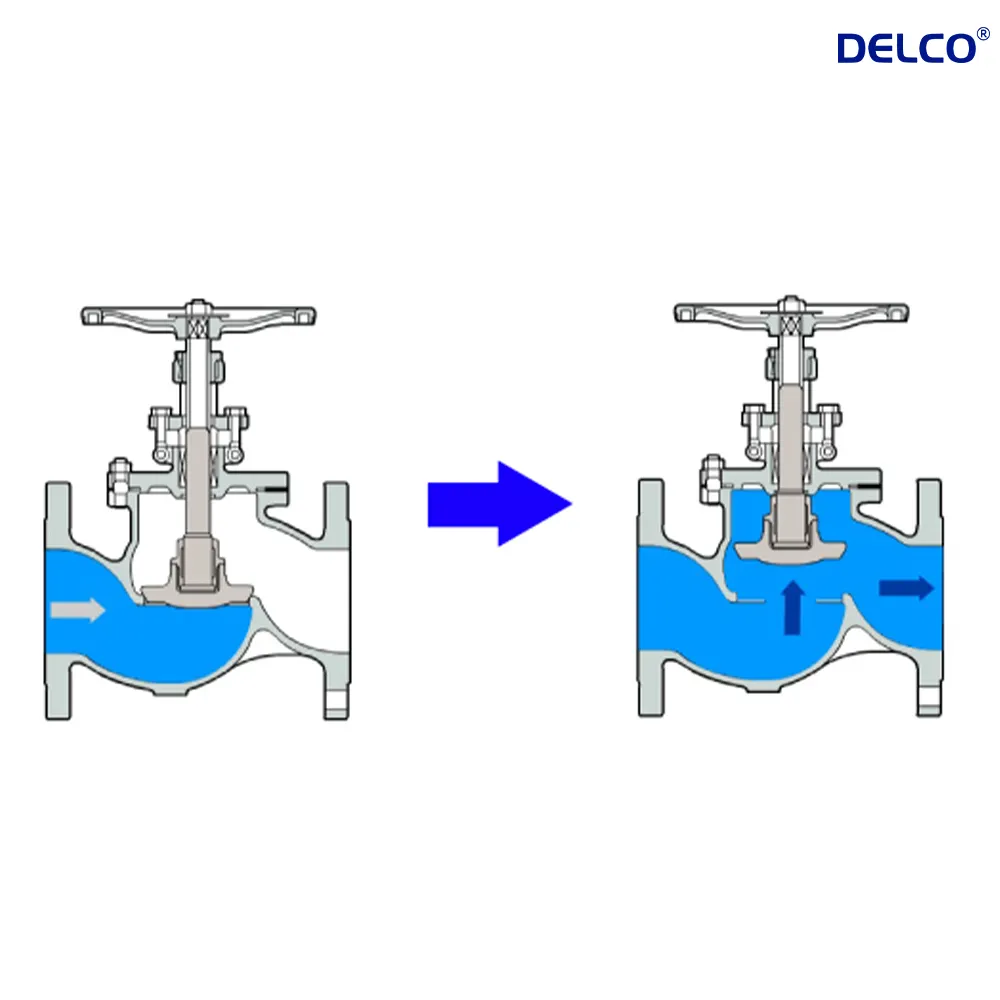
Definizione e principio di funzionamento
Una valvola a globo è una valvola a movimento lineare progettata per la regolazione del flusso , non solo per l'intercettazione on/off. Al suo interno, il percorso del flusso cambia direzione, costringendo il fluido a passare attraverso una sede dove un disco si muove verticalmente per controllare la quantità di fluido che lo attraversa.
In parole povere:
- Ruotare il volantino (o l'attuatore) → lo stelo si muove verso l'alto o verso il basso
- Il disco si solleva dal sedile → maggiore flusso
- Il disco si sposta verso la sede → minore flusso
- Il disco entra completamente in contatto con la sede → chiusura ermetica
Grazie a questa progettazione, le valvole a globo sono ideali per la regolazione e il controllo preciso del flusso , soprattutto negli impianti di tubazioni industriali, nei sistemi di caldaie, negli impianti HVAC e nelle linee di processo negli Stati Uniti, dove sono necessarie regolazioni ripetibili e accurate.
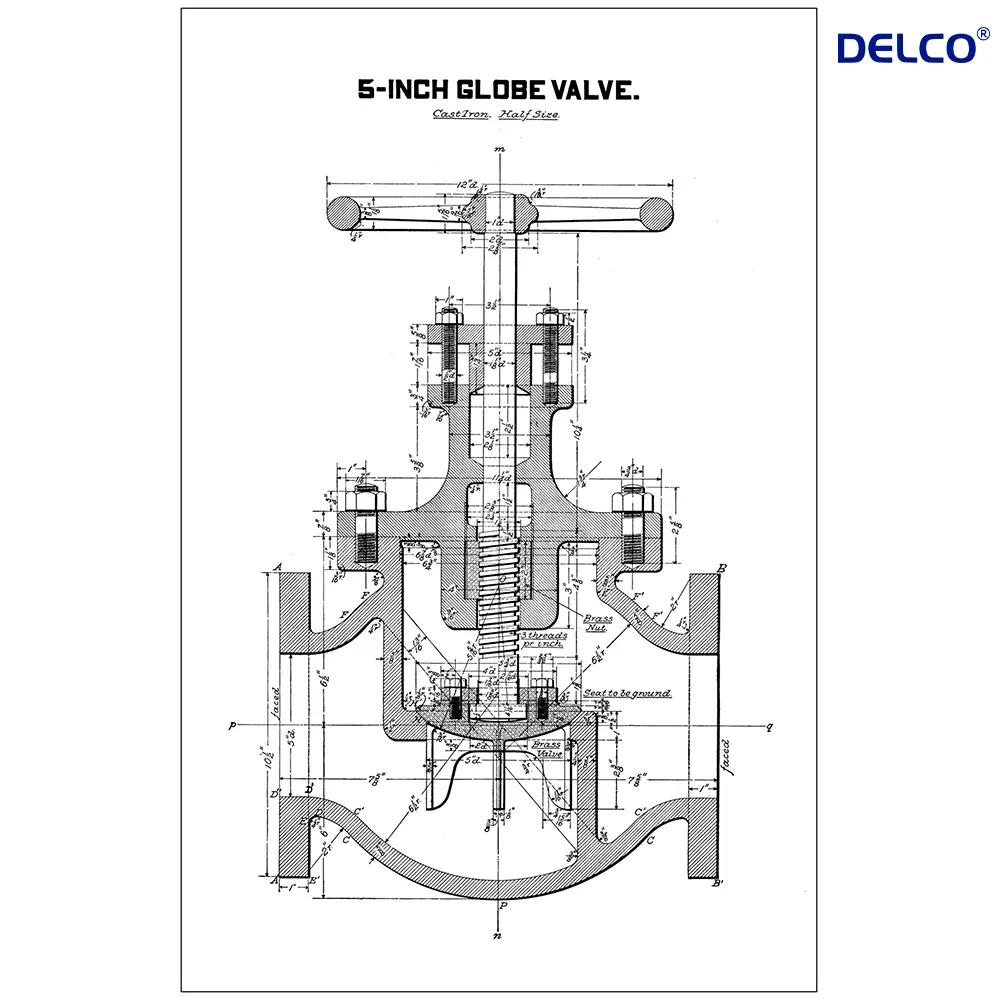
Componenti chiave e struttura (disco a tappo vs. disco ad aghi)
Le parti principali di una valvola a globo per il controllo del flusso:
- Corpo – Alloggiamento a forma di globo che crea un percorso di flusso del fluido a forma di S
- Dimensione italiana – Copre il corpo e tiene fermo l'imballaggio dello stelo
- gambo – Si muove verticalmente per sollevare o abbassare il disco
- Sede – La superficie di tenuta all'interno del corpo
- Disco – L'elemento principale di arresto e regolazione
Due tipi comuni di dischi che troverete nelle specifiche delle tubazioni statunitensi:
- Disco di spina
- viso piatto o leggermente contorto
- Buono per uso generale controllo di flusso e spegnimento
- Ampiamente usato in sistemi di tubazioni industriali, acqua di raffreddamento e fluidi di processo
- Disco a percussione
- Punta lunga e affusolata
- Progettato per strozzatura molto fine e applicazioni a basso flusso e alta precisione
- comune in linee di strumentazionecampionamento e dosaggio chimico
La scelta tra disco a otturatore e disco ad aghi dipende dal grado di precisione richiesto per la regolazione del flusso e dalla sensibilità del sistema alle piccole variazioni di flusso.
Applicazioni comuni nella regolazione del flusso
Nel mercato statunitense, utilizziamo valvole a globo ovunque sia importante controllare il flusso , non solo per le operazioni di apertura/chiusura:
- Sistemi di caldaie e condotte del vapore – controllo del flusso di vapore, desurriscaldatori, bypass del riscaldatore
- Circuiti di acqua refrigerata e acqua calda – bilanciamento del flusso negli impianti HVAC e negli impianti degli edifici
- Processi industriali negli impianti chimici, petroliferi e del gas, farmaceutici e alimentari
- Sistemi di carburante e olio lubrificante – controllo del flusso fluido e preciso senza grandi oscillazioni di pressione
- Trattamento delle acque e condotte di servizio – valvole modulanti dove i punti di riferimento del flusso sono importanti
Se nella vostra condotta avete bisogno di una regolazione stabile del flusso, di una caduta di pressione prevedibile e di un controllo ripetibile della portata , la valvola a globo è solitamente il primo tipo di valvola che prendo in considerazione, prima di optare per valvole a saracinesca, a sfera o a farfalla.
Valvola a globo vs valvola a saracinesca: differenze principali a confronto
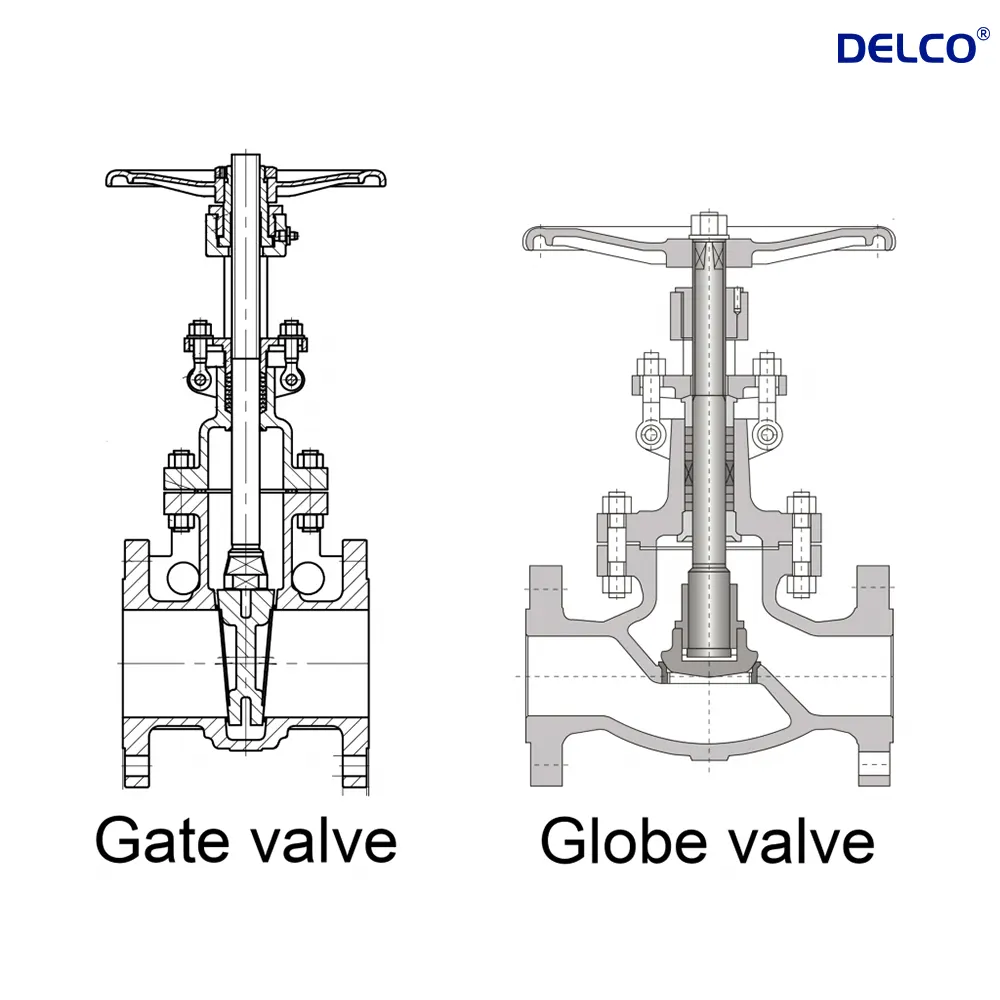
Progettazione e struttura interna (movimento lineare vs. traiettoria del fluido)
Entrambe sono valvole a movimento lineare (lo stelo si muove verso l'alto/il basso), ma la geometria interna è la vera differenza tra i sistemi di tubazioni :
- Valvola a saracinesca (isolamento del fluido): un “cancello” si solleva completamente fuori dal percorso del flusso del fluidoQuando è aperto, è quasi un tiro rettilineo.
- Valvola a globo (regolazione del flusso): un disco/tappo si muove verso una sede all'interno di un corpo curvo, forzando il flusso a ruotare.
In sintesi: considero una valvola a saracinesca innanzitutto come un meccanismo di intercettazione e una valvola a globo come uno strumento di controllo del flusso.
Direzione del flusso e resistenza del fluido (percorso rettilineo rispetto a percorso a S)
È qui che la caduta di pressione e la resistenza del fluido si manifestano rapidamente, soprattutto nelle tubazioni industriali ad alta portata.
- Valvola a saracinesca: Di Più dritto flusso → tipicamente minore caduta di pressione quando completamente aperto.
- Valvola a globo: Di Più percorso a forma di S → tipicamente maggiore caduta di pressionema con un controllo migliore.
Nota sulla direzione del flusso: molte valvole a globo sono unidirezionali (freccia di direzione del flusso preferenziale). Le valvole a saracinesca sono solitamente bidirezionali per l'intercettazione.
Controllo e regolazione del flusso (perché le valvole a saracinesca non funzionano correttamente in fase di regolazione)
Se hai bisogno di regolare il flusso , una valvola a globo è la soluzione migliore in termini di capacità di strozzamento.
- Valvola a globo: progettato per la regolazione dell'acceleratore: controllo stabile, risposta prevedibile, migliore per impianto caldaia Controllo di rifinitura e processo.
- Valvola a saracinesca: non progettato per la regolazione. Parzialmente aperto crea getti ad alta velocità che possono:
- consumare le superfici dei sedili (erosione)
- causare chiacchiere/vibrazioni
- rendono difficile mantenere un punto di riferimento stabile
Regola che utilizzo: Cancello = isolamento on/off . Globo = controllo.
Meccanismo di tenuta e resistenza all'usura (attrito + manutenzione)
Le superfici di tenuta e il tipo di contatto determinano l'usura e la necessità di manutenzione nei componenti reali delle condotte.
- Meccanismo di tenuta della valvola a saracinesca: la tenuta dei sedili a cuneo/paralleli è la migliore completamente chiuso; attrito minimo quando completamente aperto.
- Meccanismo di tenuta della valvola a globoSedili a disco/tappo con movimento più frequente sotto carico; ottimo controllo ma maggiore usura nel tempo in condizioni di utilizzo sporche.
Realtà della manutenzione: le valvole a globo spesso presentano una maggiore usura della sede/otturatore in caso di funzionamento continuo a strozzamento; le valvole a saracinesca possono subire gravi danni se utilizzate per la strozzatura o se azionate in presenza di detriti.
Tabella comparativa rapida (selezione in stile statunitense)
| Argomento | Valvola a saracinesca | Valvola a globo |
|---|---|---|
| Lavoro principale | Isolamento fluido | Regolazione del flusso / controllo del flusso |
| percorso del flusso | Passaggio diretto (quando aperto) | percorso a forma di S / curva |
| Calo di pressione | Inferiore (completamente aperto) | Più alto (per scelta progettuale) |
| Capacità di strozzamento | Scarso (rischio di danni) | Controllo forte e stabile |
| Direzione del flusso | Generalmente bidirezionale | direzione spesso preferita |
| Modello di usura | I sedili ne risentono se accelerati | Usura dei sedili/della spina con controlli frequenti |
Se la priorità è una bassa caduta di pressione e una chiusura ermetica, scelgo la valvola a saracinesca. Se invece la priorità è un flusso controllabile e una regolazione ripetibile, scelgo la valvola a globo.
Confronto vantaggi e svantaggi
Vantaggi e svantaggi delle valvole a saracinesca
Le valvole a saracinesca sono la mia soluzione ideale quando una tubazione necessita di un semplice isolamento del fluido on/off con una minima perdita di pressione.
Vantaggi delle valvole a saracinesca
- Bassa caduta di pressione: Percorso del fluido pressoché rettilineo, ideale per le lunghe linee di trasmissione statunitensi e le condotte idriche cittadine.
- Sigillatura bidirezionale: Funziona in entrambe le direzioni di flusso ed è facile da integrare nei sistemi di tubazioni esistenti.
- Ideale per apertura/chiusura completa: Robusto meccanismo di arresto quando completamente inserito.
- Ampia gamma di dimensioni: Diffusi dalle piccole linee di impianti di climatizzazione alle grandi linee di raffinerie e centrali elettriche.
Svantaggi delle valvole a saracinesca
- Scarsa capacità di regolazione della velocità: Non adatto al controllo o alla regolazione del flusso; l'apertura parziale provoca erosione e vibrazioni.
- Funzionamento più lento: Movimento lineare a più giri; non ideale dove è necessario uno spegnimento rapido.
- È necessaria maggiore altezza: I progetti con stelo ascendente richiedono spazio verticale in locali tecnici ristretti.
- Usura del sedile in caso di uso improprio: L'utilizzo di una valvola a saracinesca come una valvola a globo per la regolazione del flusso ne ridurrà rapidamente la durata.
| Articolo | Verdetto sulla valvola a saracinesca |
|---|---|
| Migliore utilizzo | Isolamento on/off |
| Regolazione della portata / controllo del flusso | Non raccomandato |
| Calo di pressione | Molto basso |
| Applicazioni tipiche negli Stati Uniti | Condotte idriche, petrolio e gas, linee antincendio |
Vantaggi e svantaggi delle valvole a globo
Le valvole a globo sono la soluzione che utilizzo quando la regolazione del flusso e il controllo preciso sono più importanti di una bassa caduta di pressione.
Vantaggi delle valvole Globe
- Eccellente capacità di regolazione dell'acceleratore: Progettato per un controllo del flusso fluido e per regolazioni frequenti.
- Migliore spegnimento in modalità di controllo: Robusto meccanismo di tenuta anche in presenza di pressione differenziale.
- Ideale per servizi ad alta pressione: Comunemente utilizzato negli impianti di caldaie, nelle linee del vapore e nel controllo di processo.
- Resistenza ai fluidi prevedibile: Più facile da dimensionare per un dato valore di Cv e caduta di pressione.
Svantaggi delle valvole Globe
- Caduta di pressione maggiore: Il percorso del flusso di fluido a forma di S crea una maggiore resistenza al flusso, il che può aumentare i costi di pompaggio.
- Tipicamente unidirezionale: Richiede un'installazione corretta rispetto alla direzione del flusso.
- Coppia di azionamento più elevata: Richiede maggiore sforzo o richiede un attuatore più grande rispetto a una valvola a saracinesca simile.
- Ingombro maggiore in linea: Più pesanti e ingombranti rispetto alle valvole a sfera o a farfalla di pari dimensioni.
| Articolo | Verdetto di Globe Valve |
|---|---|
| Migliore utilizzo | Controllo del flusso / strozzamento |
| Capacità di strozzamento | Ottimo |
| Calo di pressione | Da moderato a alto |
| Applicazioni tipiche negli Stati Uniti | Controllo HVAC, vapore, tubazioni di processo |
Approfondimenti ingegneristici: rischi reali di una selezione errata
Cosa succede se si utilizza una valvola a saracinesca per la regolazione del flusso? (Erosione e vibrazioni)
Quando si utilizza una valvola a saracinesca per il controllo o la regolazione del flusso anziché una valvola completamente aperta/chiusa, si rischia di incorrere in problemi:
- Grave erosione del cancello e dei sedili
- Le valvole a saracinesca parzialmente aperte creano un getto ad alta velocità che si schianta contro il disco e il sedile.
- In presenza di fluidi abrasivi o sporchi (sabbia, incrostazioni, fanghi, acqua di alimentazione della caldaia), quel getto corrode rapidamente il metallo.
- Vedrai punteggiatura, disegno a filo e infine perdite e mancata chiusura.
- Vibrazioni e rumori
- Il percorso del flusso attorno a una porta semiaperta è instabile, quindi si ottiene turbolenza e vibrazione.
- Quella vibrazione viaggia nel sistema di tubazioni, supporti e attuatori, accorciandone la vita.
- Nelle condotte ad alta pressione o ad alta temperatura, si tratta di un rischio reale per la sicurezza, non solo di una questione di comfort.
- Valvole bloccate o inceppate
- L'usura irregolare e l'accumulo di detriti possono causare il danneggiamento del cancello. inserire nelle guide.
- Gli operatori finiscono per applicare una coppia eccessiva, piegando gli steli o rompendo le guarnizioni.
Negli impianti reali statunitensi – raffinerie, centrali elettriche e acquedotti – ogni volta che vediamo una valvola a saracinesca utilizzata come valvola di regolazione, riscontriamo anche maggiori costi di manutenzione, fermi macchina imprevisti e verifiche di sicurezza. Se è necessaria la regolazione del flusso, io scelgo una valvola a globo o una valvola di controllo , non una valvola a saracinesca.
L'impatto sui costi della caduta di pressione nelle condotte ad alta portata.
La scelta errata della valvola non solo usura i componenti, ma comporta anche una perdita di denaro silenziosa dovuta al calo di pressione.
- Maggiore potenza della pompa o del compressore
- Una valvola a globo utilizzata dove andrebbe bene una valvola a saracinesca (o a sfera/farfalla) può creare un grande calo di pressione in condotte ad alta portata e di grande diametro.
- Quella pressione differenziale extra significa maggiore energia della pompamotori più grandi e inverter più potenti.
- Nei sistemi industriali o municipali statunitensi, questo può significare migliaia di dollari all'anno di energia elettrica per una singola valvola.
- Capacità e produttività perse
- La resistenza aggiuntiva nel percorso del flusso del fluido riduce flusso disponibile alla stessa pressione.
- Per le condotte di produzione, questo è meno prodotto movimentato all'ora e perdita di ricavi reali.
- Attrezzature sovradimensionate e aumento incontrollato delle spese in conto capitale
- Per superare l'inutile calo di pressione, gli ingegneri finiscono per sovradimensionamento di pompe, tubi e sistemi di controllo durante la progettazione.
- Il progetto sembra a posto sulla carta, ma hai bloccato un prezzo più alto costo del ciclo di vita dal primo giorno.
Per le condotte ad alta portata negli Stati Uniti (petrolio greggio, gas, acqua di raffreddamento, teleriscaldamento), cerco sempre di bilanciare isolamento del fluido , regolazione del flusso e caduta di pressione . Le valvole a saracinesca (o a sfera/farfalla) sono generalmente più vantaggiose in termini di bassa resistenza al fluido ; le valvole a globo sono più indicate per un controllo preciso del flusso . Scegliere la valvola sbagliata si ripercuote poi sulla bolletta e sul budget di manutenzione , non solo sulla scheda tecnica.
Come scegliere tra un Valvola a saracinesca contro valvola a globo (La soluzione ideale per la tua pipeline)
Ambiente operativo, fluido di lavoro e pressione di esercizio
Quando devo scegliere tra una valvola a saracinesca e una valvola a globo , parto da ciò di cui la tubazione ha effettivamente bisogno: isolamento del fluido o regolazione del flusso.
- Necessita di un meccanismo di apertura/chiusura completo (meccanismo di arresto)? Go valvola a saracinesca (meglio per bidirezionale isolamento e basso resistenza ai fluidi (quando completamente aperto).
- Necessitate di un controllo costante del flusso/di una funzione di regolazione? Go valvola a globo (costruito per moto lineare controllo e stabile regolazione del flusso).
- Pressione e temperatura di esercizio:
- Temperature più elevate/vapore (comune in un impianto caldaia) spesso favorisce valvole a globo per i punti di controllo.
- Liquidi ad alto flusso dove calo di pressione spesso le questioni favoriscono saracinesche per punti di isolamento.
- Materiali di lavoro sporchi o abrasivi (fanghiglia, incrostazioni, ruggine): È preferibile un isolamento più semplice o una valvola progettata appositamente; la regolazione del flusso con una valvola inadatta può danneggiare rapidamente i componenti interni.
Scelta rapida (regola del mondo reale):
- Isolamento su linea principale = cancello
- Controllo su una diramazione, una deviazione o una linea di processo = Globo
Considerazioni relative allo spazio di installazione e alla manutenzione.
Lo spazio e l'accesso ai servizi sono fattori cruciali negli stabilimenti statunitensi, soprattutto in locali tecnici angusti e rack sovraffollati.
- Adatto per valvole a saracinesca: È fantastico quando si può aprirlo/chiuderlo completamente e lasciarlo in quella posizione.
- Stelo ascendente (OS&Y): Controllo visivo della posizione più semplice, ma richiede spazio verticale.
- stelo non ascendente: migliore per spazi ristretti, ma la posizione è meno evidente.
- Tipo di valvola a globo: Solitamente più pesante, con una struttura più complessa meccanismo di sigillaturama più facile da manutenere per il compito di controllo.
- Pianifica un'attenzione più frequente se viene utilizzato spesso per controllo di flusso.
Verifica della realtà della manutenzione
- Se gli addetti si occupano effettivamente di ispezionare, lubrificare e azionare regolarmente la valvola, le valvole a globo sono adatte per i punti di controllo.
- Se si tratta di una linea "imposta e dimentica", le valvole a saracinesca di solito vincono per semplicità tubazioni industriali isolamento.
Costo totale di proprietà (TCO) e valore a lungo termine
Non acquisto le valvole in base al prezzo di listino, ma in base al loro costo dopo 2-5 anni di utilizzo.
| Fattore di costo (TCO) | Valvola a saracinesca | Valvola a globo |
|---|---|---|
| Caso d'uso con il miglior rapporto qualità-prezzo | Isolamento fluido sulla rete elettrica | Regolazione del flusso / strozzamento |
| impatto sui costi delle risorse | Basso quando completamente aperto (basso) calo di pressione) | Più elevato calo di pressione a causa di percorso del flusso del fluido |
| Rischio di usura | Maggiore se utilizzato in modo improprio per la regolazione | Più basso per accelerare; progettato per questo |
| Frequenza di manutenzione | Minore nel servizio on/off | Maggiore frequenza dei controlli |
| rischio di costi di fallimento | Elevato rischio di danni al sedile in caso di utilizzo improprio. | Punti di controllo inferiori |
In sintesi: se la linea funziona 24 ore su 24, 7 giorni su 7, ad alta portata, la caduta di pressione si traduce in un aumento della bolletta energetica. Questo spesso mi spinge a utilizzare valvole a saracinesca per l'isolamento e valvole a globo solo dove il controllo è realmente necessario.
Oltre le valvole a saracinesca e a globo: quando è opportuno considerare le valvole a sfera o a farfalla?
A volte, la scelta tra una valvola a saracinesca e una valvola a globo non è la soluzione migliore, soprattutto nei moderni sistemi di tubazioni.
- Valvole a sfera (ottima alternativa per l'isolamento):
- Funzionamento rapido a quarto di giro
- Spegnimento potente, compatto
- Ideale per la maggior parte dei liquidi e gas puliti nelle tubazioni industriali
- Valvole a farfalla (ideale per file lunghe e spazi ristretti):
- Leggero, conveniente su grandi diametri
- Ideale per applicazioni idriche/HVAC/processi in cui la compattezza è fondamentale. componenti della conduttura importanza
- Osserva i dettagli dell'applicazione (tipo di sedile, coppia e spegnimento richiesto).
componente aggiuntivo per decisioni semplici
- Hai bisogno di accensione/spegnimento rapido e dimensioni compatte? Valvola a sfera
- Hai bisogno di un diametro grande e di un peso ridotto? Valvola a farfalla
- Necessario preciso controllo di flusso? Valvola a globo
- Hai bisogno di un isolamento a bassa perdita su una linea principale? Valvola a saracinesca
Domande frequenti (FAQ)
1. Per un funzionamento on/off, è meglio una valvola a saracinesca o una valvola a globo?
Per un isolamento fluido puro (completamente aperto o completamente chiuso), opto per una valvola a saracinesca . È bidirezionale, offre un percorso di flusso del fluido più rettilineo e riduce la caduta di pressione nella maggior parte dei sistemi di tubazioni.
2. Quando dovrei usare una valvola a globo invece di una valvola a saracinesca?
Utilizzate una valvola a globo quando avete bisogno di regolare o strozzare il flusso , ad esempio per un controllo preciso negli impianti di caldaie, nelle linee di processo o ovunque sia importante un controllo accurato del flusso anziché una semplice apertura/chiusura.
3. Posso regolare il flusso con una valvola a saracinesca?
Non lo consiglio. La regolazione del flusso tramite una valvola a saracinesca provoca vibrazioni, erosione e danni alla sede . Questo deteriora rapidamente le superfici di tenuta e fa lievitare i costi di manutenzione.
4. Quale valvola presenta una caduta di pressione inferiore?
In generale, una valvola a saracinesca presenta una minore resistenza al flusso del fluido grazie al percorso più rettilineo. Una valvola a globo , invece, ha un percorso a forma di S, il che comporta una maggiore caduta di pressione , soprattutto a portate elevate.
5. Le valvole a saracinesca e le valvole a globo sono entrambe bidirezionali?
La maggior parte delle valvole a saracinesca sono completamente bidirezionali . Molte valvole a globo sono progettate con una direzione di flusso preferenziale per ridurre l'usura e migliorare la tenuta, quindi seguo sempre la freccia sul corpo valvola.
6. Quando dovrei prendere in considerazione valvole a sfera o a farfalla?
Se vuoi:
- Caduta di pressione minima e chiusura ermetica → valvola a sfera
- Diametro maggiore, peso inferiore e costo per pollice più basso → valvola a farfalla
Spesso utilizzo valvole a saracinesca/a globo per le tubazioni industriali tradizionali , e valvole a sfera/a farfalla quando lo spazio, l'azionamento e il costo sono i fattori determinanti nella scelta.
Non siete ancora sicuri di quale valvola sia adatta al vostro progetto?
La scelta tra una valvola a saracinesca e una a globo implica complesse dinamiche fluidodinamiche. Una scelta errata può comportare il rischio di fermi della condotta o di erosione precoce.
In qualità di produttore di valvole industriali di fiducia, DELCO VALVE offre valvole a saracinesca, a globo, a sfera e a farfalla ad alte prestazioni, conformi agli standard API, ASME e ISO. Il nostro team di ingegneri è a vostra disposizione per aiutarvi a selezionare il tipo, la dimensione e il materiale della valvola più adatti al vostro specifico sistema di tubazioni.
- Caduta di pressione maggiore: Il percorso del flusso di fluido a forma di S crea una maggiore resistenza al flusso, il che può aumentare i costi di pompaggio.
- Tipicamente unidirezionale: Richiede un'installazione corretta rispetto alla direzione del flusso.
- Coppia di azionamento più elevata: Richiede maggiore sforzo o richiede un attuatore più grande rispetto a una valvola a saracinesca simile.
- Ingombro maggiore in linea: Più pesanti e ingombranti rispetto alle valvole a sfera o a farfalla di pari dimensioni.
| Articolo | Verdetto di Globe Valve |
|---|---|
| Migliore utilizzo | Controllo del flusso / strozzamento |
| Capacità di strozzamento | Ottimo |
| Calo di pressione | Da moderato a alto |
| Applicazioni tipiche negli Stati Uniti | Controllo HVAC, vapore, tubazioni di processo |
Approfondimenti ingegneristici: rischi reali di una selezione errata
Cosa succede se si utilizza una valvola a saracinesca per la regolazione del flusso? (Erosione e vibrazioni)
Quando si utilizza una valvola a saracinesca per il controllo o la regolazione del flusso anziché una valvola completamente aperta/chiusa, si rischia di incorrere in problemi:
- Grave erosione del cancello e dei sedili
- Le valvole a saracinesca parzialmente aperte creano un getto ad alta velocità che si schianta contro il disco e il sedile.
- In presenza di fluidi abrasivi o sporchi (sabbia, incrostazioni, fanghi, acqua di alimentazione della caldaia), quel getto corrode rapidamente il metallo.
- Vedrai punteggiatura, disegno a filo e infine perdite e mancata chiusura.
- Vibrazioni e rumori
- Il percorso del flusso attorno a una porta semiaperta è instabile, quindi si ottiene turbolenza e vibrazione.
- Quella vibrazione viaggia nel sistema di tubazioni, supporti e attuatori, accorciandone la vita.
- Nelle condotte ad alta pressione o ad alta temperatura, si tratta di un rischio reale per la sicurezza, non solo di una questione di comfort.
- Valvole bloccate o inceppate
- L'usura irregolare e l'accumulo di detriti possono causare il danneggiamento del cancello. inserire nelle guide.
- Gli operatori finiscono per applicare una coppia eccessiva, piegando gli steli o rompendo le guarnizioni.
Negli impianti reali statunitensi – raffinerie, centrali elettriche e acquedotti – ogni volta che vediamo una valvola a saracinesca utilizzata come valvola di regolazione, riscontriamo anche maggiori costi di manutenzione, fermi macchina imprevisti e verifiche di sicurezza. Se è necessaria la regolazione del flusso, io scelgo una valvola a globo o una valvola di controllo , non una valvola a saracinesca.
L'impatto sui costi della caduta di pressione nelle condotte ad alta portata.
La scelta errata della valvola non solo usura i componenti, ma comporta anche una perdita di denaro silenziosa dovuta al calo di pressione.
- Maggiore potenza della pompa o del compressore
- Una valvola a globo utilizzata dove andrebbe bene una valvola a saracinesca (o a sfera/farfalla) può creare un grande calo di pressione in condotte ad alta portata e di grande diametro.
- Quella pressione differenziale extra significa maggiore energia della pompamotori più grandi e inverter più potenti.
- Nei sistemi industriali o municipali statunitensi, questo può significare migliaia di dollari all'anno di energia elettrica per una singola valvola.
- Capacità e produttività perse
- La resistenza aggiuntiva nel percorso del flusso del fluido riduce flusso disponibile alla stessa pressione.
- Per le condotte di produzione, questo è meno prodotto movimentato all'ora e perdita di ricavi reali.
- Attrezzature sovradimensionate e aumento incontrollato delle spese in conto capitale
- Per superare l'inutile calo di pressione, gli ingegneri finiscono per sovradimensionamento di pompe, tubi e sistemi di controllo durante la progettazione.
- Il progetto sembra a posto sulla carta, ma hai bloccato un prezzo più alto costo del ciclo di vita dal primo giorno.
Per le condotte ad alta portata negli Stati Uniti (petrolio greggio, gas, acqua di raffreddamento, teleriscaldamento), cerco sempre di bilanciare isolamento del fluido , regolazione del flusso e caduta di pressione . Le valvole a saracinesca (o a sfera/farfalla) sono generalmente più vantaggiose in termini di bassa resistenza al fluido ; le valvole a globo sono più indicate per un controllo preciso del flusso . Scegliere la valvola sbagliata si ripercuote poi sulla bolletta e sul budget di manutenzione , non solo sulla scheda tecnica.
Come scegliere tra un Valvola a saracinesca contro valvola a globo (La soluzione ideale per la tua pipeline)
Ambiente operativo, fluido di lavoro e pressione di esercizio
Quando devo scegliere tra una valvola a saracinesca e una valvola a globo , parto da ciò di cui la tubazione ha effettivamente bisogno: isolamento del fluido o regolazione del flusso.
- Necessita di un meccanismo di apertura/chiusura completo (meccanismo di arresto)? Go valvola a saracinesca (meglio per bidirezionale isolamento e basso resistenza ai fluidi (quando completamente aperto).
- Necessitate di un controllo costante del flusso/di una funzione di regolazione? Go valvola a globo (costruito per moto lineare controllo e stabile regolazione del flusso).
- Pressione e temperatura di esercizio:
- Temperature più elevate/vapore (comune in un impianto caldaia) spesso favorisce valvole a globo per i punti di controllo.
- Liquidi ad alto flusso dove calo di pressione spesso le questioni favoriscono saracinesche per punti di isolamento.
- Materiali di lavoro sporchi o abrasivi (fanghiglia, incrostazioni, ruggine): È preferibile un isolamento più semplice o una valvola progettata appositamente; la regolazione del flusso con una valvola inadatta può danneggiare rapidamente i componenti interni.
Scelta rapida (regola del mondo reale):
- Isolamento su linea principale = cancello
- Controllo su una diramazione, una deviazione o una linea di processo = Globo
Considerazioni relative allo spazio di installazione e alla manutenzione.
Lo spazio e l'accesso ai servizi sono fattori cruciali negli stabilimenti statunitensi, soprattutto in locali tecnici angusti e rack sovraffollati.
- Adatto per valvole a saracinesca: È fantastico quando si può aprirlo/chiuderlo completamente e lasciarlo in quella posizione.
- Stelo ascendente (OS&Y): Controllo visivo della posizione più semplice, ma richiede spazio verticale.
- stelo non ascendente: migliore per spazi ristretti, ma la posizione è meno evidente.
- Tipo di valvola a globo: Solitamente più pesante, con una struttura più complessa meccanismo di sigillaturama più facile da manutenere per il compito di controllo.
- Pianifica un'attenzione più frequente se viene utilizzato spesso per controllo di flusso.
Verifica della realtà della manutenzione
- Se gli addetti si occupano effettivamente di ispezionare, lubrificare e azionare regolarmente la valvola, le valvole a globo sono adatte per i punti di controllo.
- Se si tratta di una linea "imposta e dimentica", le valvole a saracinesca di solito vincono per semplicità tubazioni industriali isolamento.
Costo totale di proprietà (TCO) e valore a lungo termine
Non acquisto le valvole in base al prezzo di listino, ma in base al loro costo dopo 2-5 anni di utilizzo.
| Fattore di costo (TCO) | Valvola a saracinesca | Valvola a globo |
|---|---|---|
| Caso d'uso con il miglior rapporto qualità-prezzo | Isolamento fluido sulla rete elettrica | Regolazione del flusso / strozzamento |
| impatto sui costi delle risorse | Basso quando completamente aperto (basso) calo di pressione) | Più elevato calo di pressione a causa di percorso del flusso del fluido |
| Rischio di usura | Maggiore se utilizzato in modo improprio per la regolazione | Più basso per accelerare; progettato per questo |
| Frequenza di manutenzione | Minore nel servizio on/off | Maggiore frequenza dei controlli |
| rischio di costi di fallimento | Elevato rischio di danni al sedile in caso di utilizzo improprio. | Punti di controllo inferiori |
In sintesi: se la linea funziona 24 ore su 24, 7 giorni su 7, ad alta portata, la caduta di pressione si traduce in un aumento della bolletta energetica. Questo spesso mi spinge a utilizzare valvole a saracinesca per l'isolamento e valvole a globo solo dove il controllo è realmente necessario.
Oltre le valvole a saracinesca e a globo: quando è opportuno considerare le valvole a sfera o a farfalla?
A volte, la scelta tra una valvola a saracinesca e una valvola a globo non è la soluzione migliore, soprattutto nei moderni sistemi di tubazioni.
- Valvole a sfera (ottima alternativa per l'isolamento):
- Funzionamento rapido a quarto di giro
- Spegnimento potente, compatto
- Ideale per la maggior parte dei liquidi e gas puliti nelle tubazioni industriali
- Valvole a farfalla (ideale per file lunghe e spazi ristretti):
- Leggero, conveniente su grandi diametri
- Ideale per applicazioni idriche/HVAC/processi in cui la compattezza è fondamentale. componenti della conduttura importanza
- Osserva i dettagli dell'applicazione (tipo di sedile, coppia e spegnimento richiesto).
componente aggiuntivo per decisioni semplici
- Hai bisogno di accensione/spegnimento rapido e dimensioni compatte? Valvola a sfera
- Hai bisogno di un diametro grande e di un peso ridotto? Valvola a farfalla
- Necessario preciso controllo di flusso? Valvola a globo
- Hai bisogno di un isolamento a bassa perdita su una linea principale? Valvola a saracinesca
Domande frequenti (FAQ)
1. Per un funzionamento on/off, è meglio una valvola a saracinesca o una valvola a globo?
Per un isolamento fluido puro (completamente aperto o completamente chiuso), opto per una valvola a saracinesca . È bidirezionale, offre un percorso di flusso del fluido più rettilineo e riduce la caduta di pressione nella maggior parte dei sistemi di tubazioni.
2. Quando dovrei usare una valvola a globo invece di una valvola a saracinesca?
Utilizzate una valvola a globo quando avete bisogno di regolare o strozzare il flusso , ad esempio per un controllo preciso negli impianti di caldaie, nelle linee di processo o ovunque sia importante un controllo accurato del flusso anziché una semplice apertura/chiusura.
3. Posso regolare il flusso con una valvola a saracinesca?
Non lo consiglio. La regolazione del flusso tramite una valvola a saracinesca provoca vibrazioni, erosione e danni alla sede . Questo deteriora rapidamente le superfici di tenuta e fa lievitare i costi di manutenzione.
4. Quale valvola presenta una caduta di pressione inferiore?
In generale, una valvola a saracinesca presenta una minore resistenza al flusso del fluido grazie al percorso più rettilineo. Una valvola a globo , invece, ha un percorso a forma di S, il che comporta una maggiore caduta di pressione , soprattutto a portate elevate.
5. Le valvole a saracinesca e le valvole a globo sono entrambe bidirezionali?
La maggior parte delle valvole a saracinesca sono completamente bidirezionali . Molte valvole a globo sono progettate con una direzione di flusso preferenziale per ridurre l'usura e migliorare la tenuta, quindi seguo sempre la freccia sul corpo valvola.
6. Quando dovrei prendere in considerazione valvole a sfera o a farfalla?
Se vuoi:
- Caduta di pressione minima e chiusura ermetica → valvola a sfera
- Diametro maggiore, peso inferiore e costo per pollice più basso → valvola a farfalla
Spesso utilizzo valvole a saracinesca/a globo per le tubazioni industriali tradizionali , e valvole a sfera/a farfalla quando lo spazio, l'azionamento e il costo sono i fattori determinanti nella scelta.
Non siete ancora sicuri di quale valvola sia adatta al vostro progetto?
La scelta tra una valvola a saracinesca e una a globo implica complesse dinamiche fluidodinamiche. Una scelta errata può comportare il rischio di fermi della condotta o di erosione precoce.
In qualità di produttore di valvole industriali di fiducia, DELCO VALVE offre valvole a saracinesca, a globo, a sfera e a farfalla ad alte prestazioni, conformi agli standard API, ASME e ISO. Il nostro team di ingegneri è a vostra disposizione per aiutarvi a selezionare il tipo, la dimensione e il materiale della valvola più adatti al vostro specifico sistema di tubazioni.
Condividi sui social:


Contattaci
In questo articolo
Guida alle valvole a saracinesca: principi di funzionamento, tipologie e utilizzi (2026)
Dicembre 30, 2025
Valvola a saracinesca a coltello o valvola a sfera per fanghi abrasivi: quale è la migliore per l'industria mineraria?
APRILE 24, 2026
Valvola a globo manuale: progettazione, funzioni, tipologie e guida essenziale alla manutenzione.
Novembre 11, 2025