

 Contattaci

 Casa /
 Valvole pneumatiche o elettriche: qual è la migliore? [Guida alla selezione]

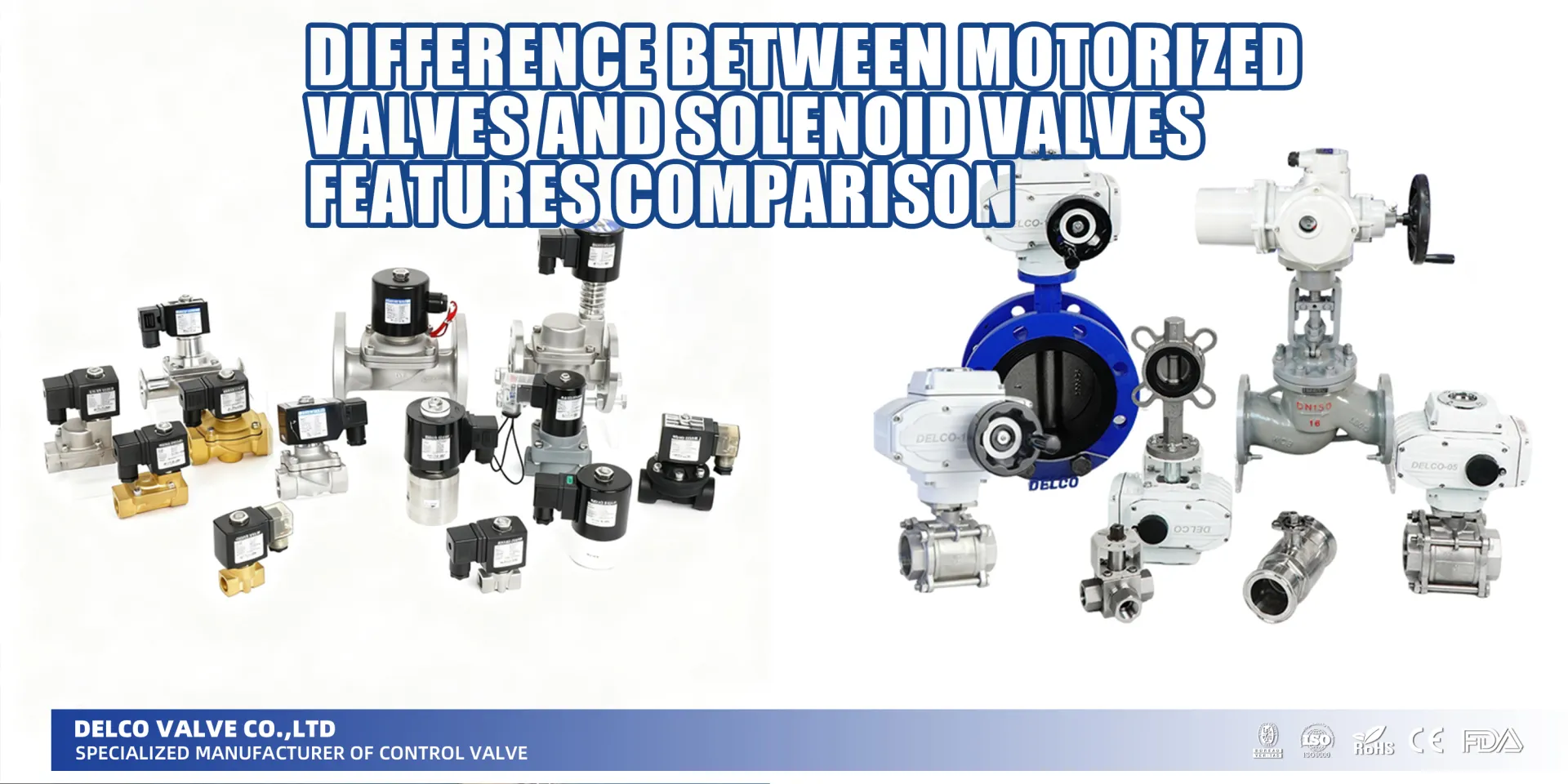
Differenze tra valvole motorizzate e valvole a solenoide: confronto delle caratteristiche
Novembre 29, 2025
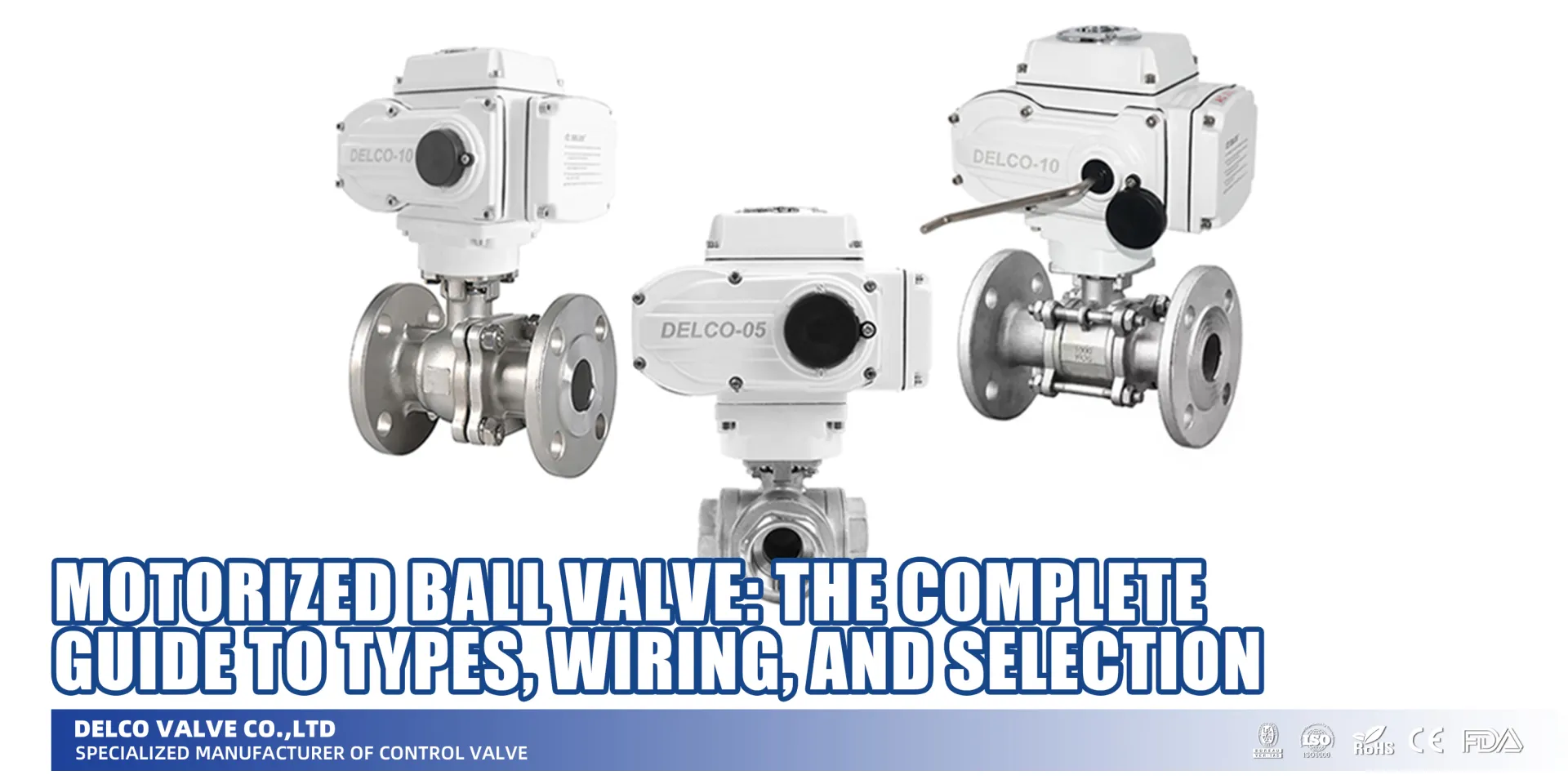
Valvola a sfera motorizzata: la guida completa a tipologie, cablaggio e selezione
Dicembre 29, 2025
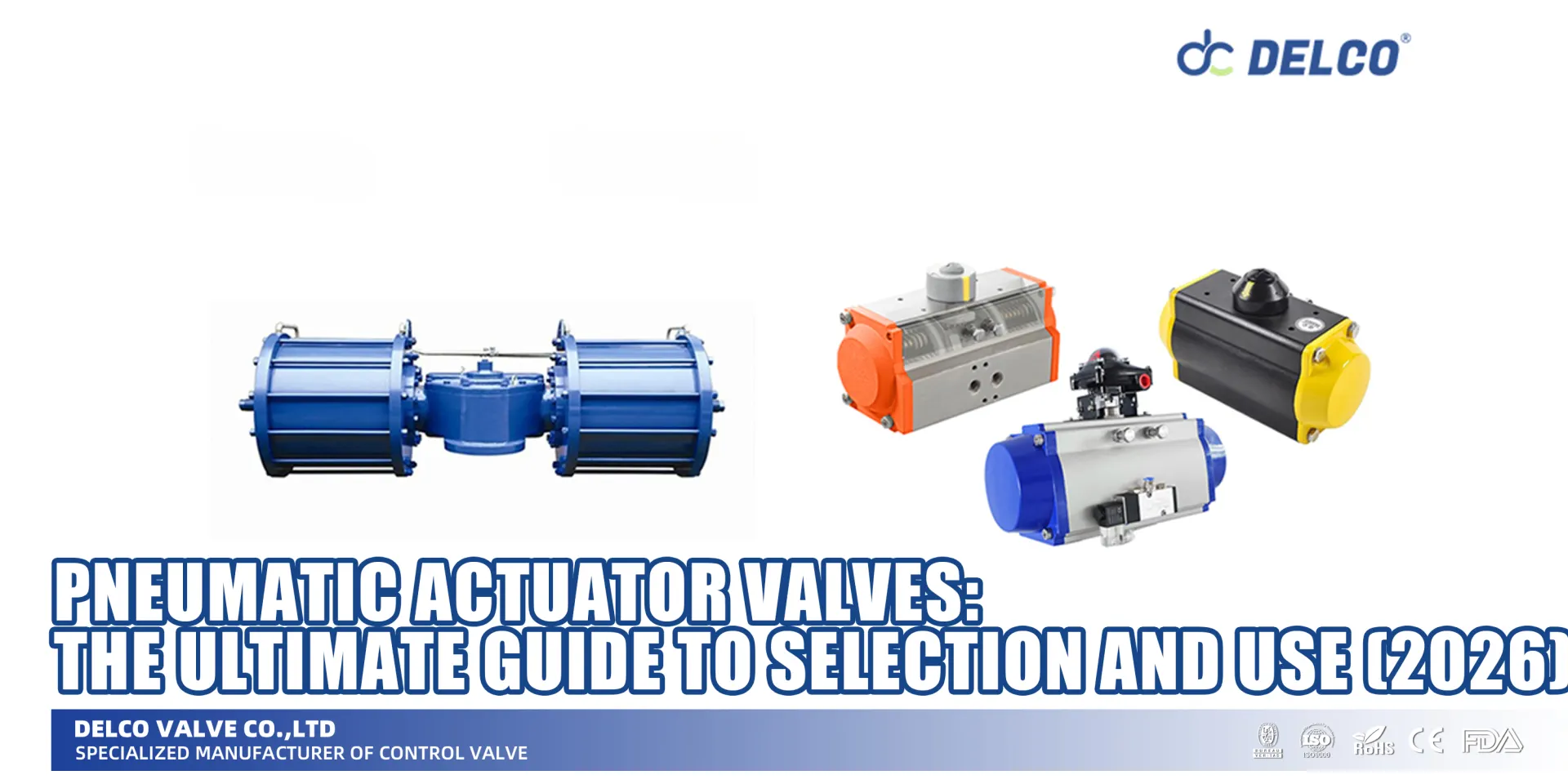
Valvole con attuatore pneumatico: la guida definitiva alla selezione e all'utilizzo (2026)
Gennaio 14, 2026
Avete dubbi sulla scelta tra attuatori pneumatici ed elettrici? In questa guida specializzata, mettiamo a confronto coppia, opzioni di sicurezza e costi di manutenzione per aiutarvi a scegliere la valvola più adatta alle vostre esigenze.
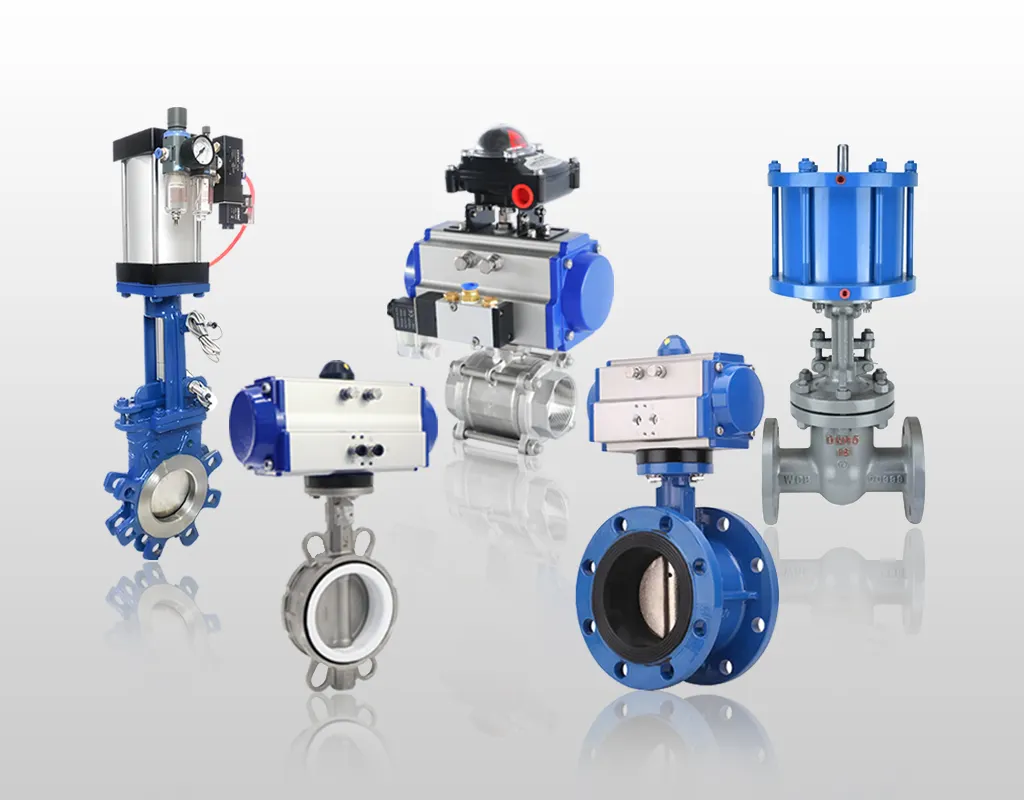
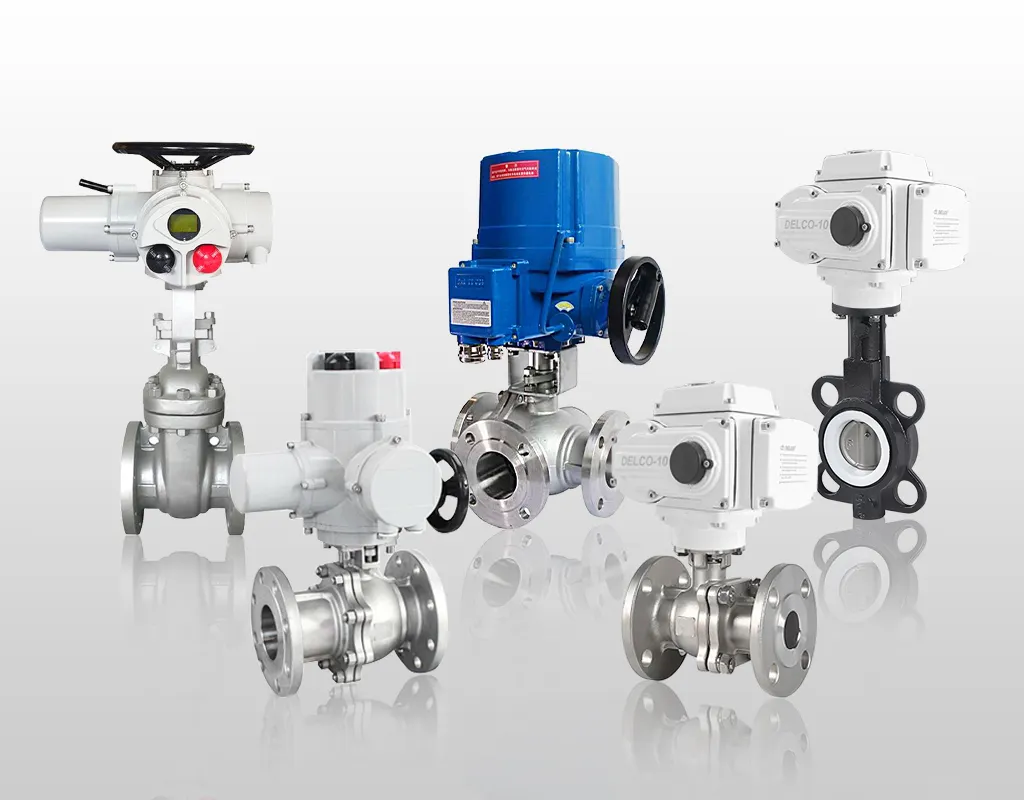
Comprendere le valvole attuate: il conflitto centrale
At Delco Valvole, riconosciamo che l'efficienza del vostro sistema di tubazioni dipende dall'affidabilità della sua automazione. Centro di automazione valvole è specializzata nella conversione di valvole manuali standard in sofisticate unità automatizzate, ma la prima decisione critica riguarda la fonte di alimentazione. Il conflitto tra azionamento pneumatico ed elettrico non è solo una questione di preferenza; è un calcolo tecnico che coinvolge l'infrastruttura, necessaria coppiae velocità di risposta. Sia per il settore petrolifero e del gas che per la produzione di energia, la scelta del corretto forza trainante Garantisce stabilità operativa a lungo termine e conformità agli standard API e ISO.
Come funzionano gli attuatori pneumatici (Il muscolo dell'aria compressa)
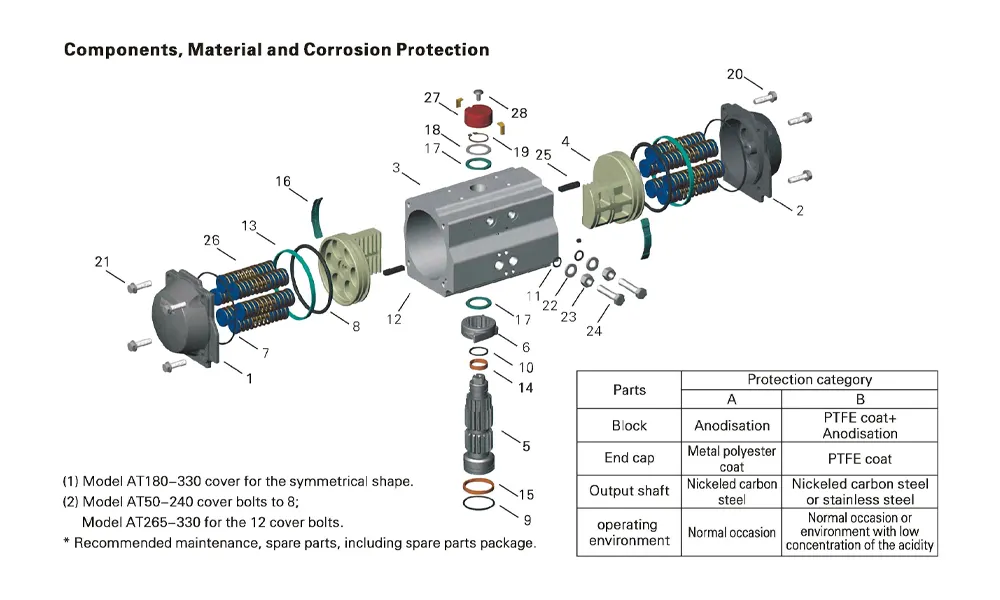
Gli attuatori pneumatici sono i cavalli da tiro del settore, e utilizzano un'alimentazione di aria pulita e asciutta per generare movimento meccanico. Convertendo la pressione del fluido in forza lineare o rotatoria tramite un pistone o un diaframma, questi dispositivi offrono un eccezionale rapporto potenza-peso.
- Meccanica semplice: Il numero ridotto di parti mobili diminuisce l'usura e le esigenze di manutenzione.
- Alto rendimento: In grado di generare massiccio coppia di uscita per diametri grandi valvole a sfera e valvole a farfalla.
- Sicurezza: L'assenza di componenti elettrici nell'azionamento primario li rende ideali per ambienti pericolosi.
Come funzionano gli attuatori elettrici (La precisione di motori e ingranaggi)
Gli attuatori elettrici sostituiscono le tubazioni dell'aria compressa con cablaggi elettrici, utilizzando un motore e un sistema di ingranaggi per azionare lo stelo della valvola . Questo metodo offre un controllo preciso della posizione, risultando ideale per applicazioni che richiedono una modulazione esatta del flusso, piuttosto che semplici funzioni di apertura/chiusura.
- Precisione: Gli ingranaggi consentono un posizionamento preciso e controllo modulante.
- Infrastrutture: Elimina la necessità di compressori d'aria e tubature; richiede solo una rete elettrica.
- Risposte: Si integra facilmente in sistemi complessi Sistemi di automazione per il monitoraggio dello stato in tempo reale.
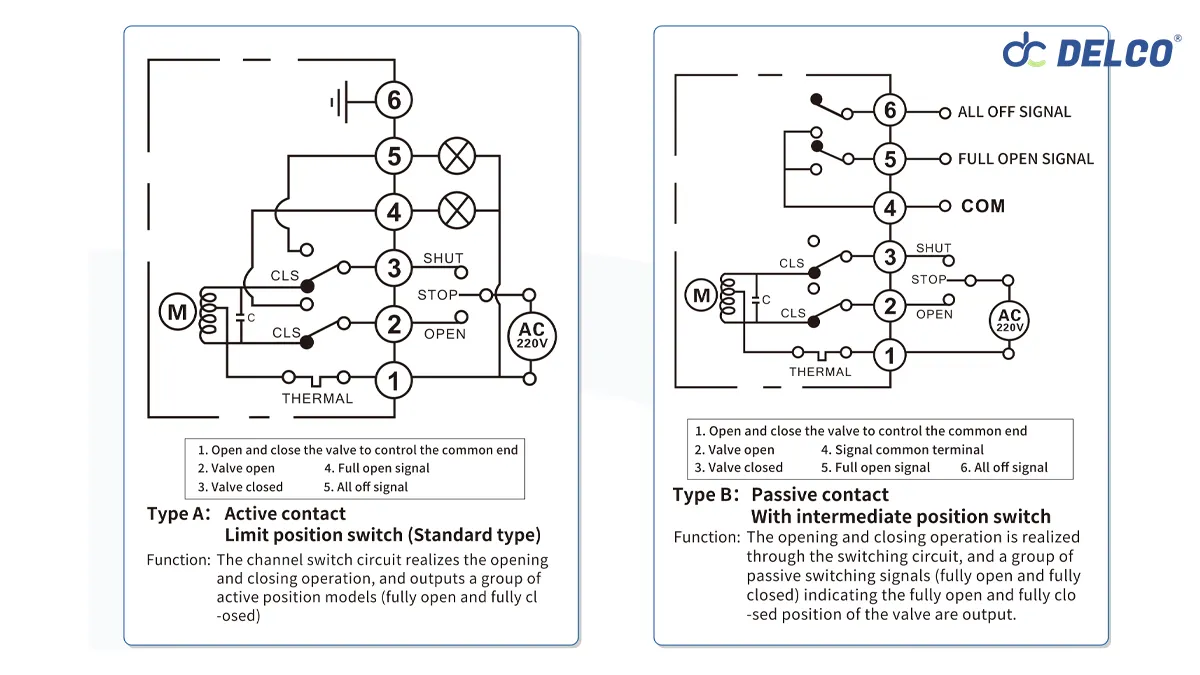
La realtà ibrida: sistemi elettropneumatici
Le moderne applicazioni industriali spesso richiedono la convergenza di diverse tecnologie. Progettiamo frequentemente pacchetti di valvole "chiavi in mano" che combinano la potenza degli attuatori rotativi pneumatici con l'intelligenza elettronica. Aggiungendo apparecchiature ausiliarie come elettrovalvole e un posizionatore , colmiamo il divario. Questi sistemi elettropneumatici consentono ai segnali di controllo digitali di regolare l' alimentazione dell'aria , offrendo la precisione dell'elettronica con la velocità meccanica e l'affidabilità a prova di guasto della pneumatica.
Attuatori pneumatici: velocità e semplicità
Quando si parla di applicazioni industriali pesanti, gli attuatori pneumatici sono spesso la scelta predefinita, e a ragione. Sono i cavalli da tiro del mondo delle valvole. Sfruttando la pressione dell'aria che agisce su un pistone o un diaframma, questi dispositivi convertono l'energia in movimento meccanico con una meccanica interna incredibilmente semplice. Se il vostro impianto dispone già di un'affidabile fornitura d'aria compressa , l'integrazione di unità pneumatiche è solitamente semplice ed economica. Non complicano inutilmente le cose: funzionano e basta.
Il vantaggio del "ritorno a molla": sicurezza intrinseca a prova di guasto
Il motivo principale per cui consiglio i sistemi pneumatici per le linee critiche è la funzione di ritorno a molla . Questa garantisce una sicurezza intrinseca a prova di guasto, senza bisogno di elettronica complessa o batterie di riserva.
Ecco come funziona:
- Funzionamento: L'aria compressa spinge indietro la molla, azionando la valvola.
- Modalità di fallimento: Se l' fornitura d'aria oppure, in caso di interruzione di corrente, la molla meccanica spinge immediatamente la valvola in una posizione di sicurezza (completamente aperta o completamente chiusa).
Questa affidabilità meccanica è imbattibile per le applicazioni di arresto di emergenza (ESD). A differenza degli attuatori elettrici, che richiedono una batteria di riserva o un condensatore per muoversi durante un'interruzione di corrente, un attuatore pneumatico utilizza l'energia meccanica immagazzinata. Si tratta di un sistema passivo che garantisce che le opzioni di sicurezza siano sempre attive.
Resistenza in ambienti pericolosi ed esplosivi (ATEX/Antideflagrante)
In settori come quello petrolifero e del gas o della lavorazione chimica, ci troviamo spesso ad operare in aree pericolose dove una singola scintilla potrebbe essere catastrofica. È qui che la pneumatica dà il meglio di sé. Poiché funziona a pressione di fluido (aria) anziché a elettricità, è intrinsecamente a prova di esplosione.
- Nessun rischio di scintille: Non ci sono componenti elettrici interni che possano generare archi elettrici o surriscaldarsi.
- Conformità semplificata: riunione ATEX o altri standard di sicurezza è più semplice. Non hai bisogno di costosi involucri antideflagranti per i motori.
- Robustezza: Resistono alle dure condizioni condizioni ambientali, compresi calore e vibrazioni estreme, meglio dei dispositivi elettronici sensibili.
La scelta tra cablaggio e tubature in queste zone non riguarda solo i costi, ma anche la sicurezza. L'installazione di una conduttura dell'aria compressa è intrinsecamente più sicura rispetto alla posa di cavi ad alta tensione in una zona a rischio.
Tuttavia, se l'elettricità è l'unica fonte di energia disponibile in queste zone, forniamo attuatori elettrici antideflagranti certificati , conformi alle più severe normative di sicurezza.
Elevata velocità e tempi di risposta rapidi.
Se il vostro processo richiede che una valvola si chiuda in una frazione di secondo, la soluzione pneumatica è l'unica possibile. Il tempo di reazione di un attuatore pneumatico è significativamente più rapido di quello di un motore elettrico.
Gli attuatori elettrici si basano generalmente su ingranaggi per generare coppia, il che rallenta il profilo di movimento. Al contrario, gli attuatori pneumatici forniscono una forza lineare istantanea o un movimento rotatorio pneumatico nel momento stesso in cui si apre l'elettrovalvola pilota.
- Azione istantanea: L'aria compressa si espande rapidamente, spingendo immediatamente il pistone.
- Ciclo di lavoro elevato: Possono gestire cicli ad alta frequenza senza surriscaldamento, a patto che tu li nutra aria pulita e asciutta.
- Densità di coppia: Offrono un alto coppia di uscita rispetto alla loro impronta fisica.
Per le applicazioni che richiedono la deviazione o l'arresto immediato del flusso, la velocità e la forza motrice dei sistemi pneumatici offrono un'efficienza operativa che i motori con riduttore non possono eguagliare.
Attuatori elettrici: precisione e connettività
At Delco Valvole, vediamo il passaggio verso valvole azionate elettricamente Quando l'applicazione richiede precisione piuttosto che pura velocità. Mentre i nostri pacchetti pneumatici sono costruiti per la potenza, le nostre soluzioni di automazione elettrica sono progettate per il "cervello" della vostra attività. Utilizzando un motore e un sistema di ingranaggi, queste unità offrono un livello di controllo che l'aria compressa semplicemente non può eguagliare, soprattutto in impianti in cui la posa di tubazioni dell'aria è impraticabile o troppo costosa.
Controllo modulante: posizionamento preciso e ripetibilità
Quando il vostro sistema richiede più di una semplice apertura o chiusura completa, l'azionamento elettrico rappresenta la scelta migliore. Attraverso il nostro Centro di Automazione Valvole , configuriamo queste unità per il controllo modulante , consentendo alla valvola di mantenere una posizione specifica, ad esempio il 45% di apertura, con estrema precisione.
Questa capacità è resa possibile dal treno di ingranaggi meccanici, che elimina la "deriva" spesso riscontrabile nei sistemi pneumatici basati sulla compressione dell'aria. Per i settori che richiedono una rigorosa regolazione del flusso, come la produzione di energia o la lavorazione chimica, questo controllo preciso garantisce un'elevata ripetibilità . Assicuriamo che, sia che si tratti di automatizzare una valvola a sfera da 2" o una valvola a saracinesca di dimensioni maggiori, la coppia in uscita e il posizionamento rimangano costanti in ogni singola operazione.
Feedback avanzato e integrazione IIoT (registrazione dati, diagnostica)
Uno dei maggiori vantaggi del passaggio all'elettrico è la facilità di integrazione nelle moderne reti di controllo. A differenza dei sistemi pneumatici, che richiedono apparecchiature ausiliarie complesse come convertitori I/P e valvole solenoidi per comunicare con un DCS, gli attuatori elettrici sono nativamente digitali.
- Infrastruttura semplificata: Si scambiano tubazioni complesse con quelle standard cablaggio, riducendo il orma dell'installazione.
- Dati in tempo reale: Queste unità possono fornire un feedback immediato sulla posizione della valvola, sul carico di coppia e sullo stato dell'allarme.
- Diagnostica: Gli attuatori elettrici intelligenti aiutano a prevedere le necessità di manutenzione prima che si verifichi un guasto.
Realizziamo questi pacchetti di valvole "chiavi in mano" che si integrano direttamente nel vostro sistema di automazione esistente , garantendo una comunicazione continua dal campo alla sala di controllo.
La trappola del ciclo di lavoro: comprendere i limiti termici
Sebbene gli attuatori elettrici offrano precisione, presentano una limitazione critica: il ciclo di lavoro . A differenza degli attuatori pneumatici, che possono funzionare in modo continuo senza problemi, i motori elettrici generano calore. Se un attuatore elettrico viene spinto oltre il suo ciclo di lavoro nominale (il rapporto tra tempo di funzionamento e tempo di inattività), corre un elevato rischio di surriscaldamento.
Consigliamo sempre ai nostri clienti in tutto il mondo di valutare attentamente i requisiti di efficienza operativa . Se il processo richiede una modulazione continua o cicli rapidi, un motore elettrico potrebbe attivare la protezione da sovraccarico termico. Nel nostro processo di automazione personalizzato , calcoliamo la frequenza di funzionamento richiesta in base alle specifiche dell'attuatore per prevenire guasti prematuri, garantendo che non venga installata un'unità standard in un'applicazione ad alta intensità.
Confronto critico: campo di battaglia delle prestazioni
At Delco Progettiamo quotidianamente valvole e pacchetti di automazione, e le differenze prestazionali tra queste due tecnologie sono notevoli. Quando progettiamo una soluzione chiavi in mano, ci concentriamo esclusivamente sulla fisica del movimento della valvola e sull'ambiente in cui opera. Ecco un confronto sul campo.
Coppia e dimensioni: perché i sistemi pneumatici vincono in termini di rapporto coppia-peso
Quando si automatizzano valvole di grande diametro, come quelle della nostra serie da 48", spazio e peso diventano fattori critici. Gli attuatori pneumatici sono ad alta densità di potenza. Generano una coppia di uscita enorme rispetto alle loro dimensioni fisiche.
- Pneumatico: Fornisce una forza elevata con un design compatto ormaLa dimensione del cilindro aumenta linearmente con il fabbisogno di coppia, ma rimane comunque gestibile.
- Elettrico: Per generare una coppia equivalente, le unità elettriche richiedono motori di grandi dimensioni e riduttori pesanti. Ciò si traduce in un gruppo più ingombrante e pesante che potrebbe richiedere un supporto strutturale aggiuntivo sulla condotta.
Profilo di movimento: forza lineare istantanea vs. movimento rotatorio con ingranaggi
La forza motrice fondamentale determina la velocità. I sistemi pneumatici utilizzano aria compressa per creare una pressione immediata su un pistone, traducendosi in un movimento pressoché istantaneo.
- Tempo di reazione: I sistemi pneumatici sono superiori per le applicazioni che richiedono tempi di ciclo rapidi.
- Meccanismo: Gli attuatori elettrici si basano su attuatore rotante ingranaggi per creare slancio. Sebbene ciò consenta una modulazione fluida, manca l'azione "a scatto" necessaria per l'isolamento di emergenza.
Affidabilità a prova di guasto: molla meccanica contro batteria di riserva
Nella nostra esperienza di fornitura al settore petrolifero e del gas, l'affidabilità è imprescindibile. Il meccanismo di ritorno a molla negli attuatori pneumatici rappresenta lo standard di riferimento in termini di sicurezza.
- Certezza meccanica: Se l' fornitura d'aria In caso di interruzione, una molla spinge la valvola in una posizione di sicurezza (aperta o chiusa). È un sistema passivo che non richiede alimentazione esterna.
- Complessità elettrica: Opzioni di sicurezza I sistemi elettrici solitamente prevedono batterie di riserva o supercondensatori. Si tratta di componenti aggiuntivi che richiedono monitoraggio e che, con il tempo, si degradano, introducendo un potenziale punto di guasto.
Manutenzione: sostituzione delle guarnizioni in caso di guasto della scheda elettronica
Le esigenze di manutenzione a lungo termine incidono sul costo totale di proprietà. Abbiamo riscontrato che, in genere, i sistemi meccanici sono più facili da manutenere in loco per il personale addetto alla manutenzione.
| Caratteristica | Attuatori pneumatici | Attuatori elettrici |
|---|---|---|
| Parte principale soggetta a usura | O-ring e guarnizioni | Ingranaggi, motori, circuiti stampati |
| Complessità di riparazione | Basso (Kit di guarnizioni semplici) | Elevato (Richiede l'intervento di un tecnico/la sostituzione) |
| Vulnerabilità | Aria contaminata | SurriscaldamentoUmidità, Picchi di tensione |
| Durata della vita | Ciclo di vita elevato | Limitato da Duty Cycle |
Gli attuatori pneumatici sono essenzialmente semplici dispositivi meccanici; se perdono, basta sostituire le guarnizioni. Gli attuatori elettrici, invece, sono computer complessi installati su un tubo. Se una scheda elettronica si brucia a causa del calore o di un picco di corrente, spesso è necessario sostituire l'intera unità anziché ripararla.
Analisi dei costi: non è solo il prezzo che conta
Quando progettiamo un pacchetto completo di valvole "chiavi in mano" presso il nostro Centro di Automazione Valvole, consigliamo sempre ai clienti di guardare oltre la fattura iniziale. Sebbene il costo iniziale dell'hardware sia importante, il vero impatto finanziario deriva da come tale apparecchiatura interagisce con l'infrastruttura del vostro impianto nel tempo. Disponiamo di un ampio magazzino per ridurre al minimo i tempi di consegna, ma la scelta del metodo di azionamento più adatto richiede un equilibrio tra il budget immediato e le esigenze operative a lungo termine.
CAPEX (Investimento iniziale): Costo delle valvole vs. Infrastruttura (Compressori vs. Cablaggio)
Se si considera esclusivamente il costo dei componenti disponibili a magazzino, un attuatore pneumatico risulta quasi sempre significativamente più economico di un equivalente elettrico, soprattutto per valvole di grandi dimensioni (ad esempio, da 12" a 48"). Tuttavia, i calcoli CAPEX devono includere anche l'infrastruttura di supporto.
- Sistemi pneumatici: L'attuatore è economico, ma hai il fornitura d'ariaSe è necessario installare nuovi compressori, essiccatori e realizzare complessi circuiti di tubazioni, il costo dell'installazione sale alle stelle.
- Sistemi elettrici: L'unità attuatore ha un prezzo più elevato a causa della complessità del motore e degli ingranaggi. Tuttavia, il costo dell'infrastruttura è spesso inferiore perché la posa di un cablaggio elettrico standard è generalmente più economica e semplice rispetto all'installazione di un cablaggio rigido. cablaggio vs. tubature per l'aria.
Per un nuovo impianto privo di un circuito pneumatico preesistente, l'azionamento elettrico risulta spesso più conveniente in termini di costi di installazione. Per un impianto con capacità d'aria in eccesso, il sistema pneumatico rimane la soluzione più economica.
OPEX (in funzione): il costo della generazione di aria compressa rispetto all'elettricità.
L'efficienza operativa è dove si annidano i costi nascosti. L'aria compressa è una delle fonti di energia più costose in un impianto industriale. La sua produzione è inefficiente dal punto di vista energetico: si perde energia sotto forma di calore durante la compressione, per attrito nelle tubazioni e a causa delle inevitabili perdite.
- Efficienza pneumatica: In sostanza stai pagando l'elettricità per far funzionare un compressore per generare pressione del fluido per azionare una valvola. La perdita di energia dovuta alla conversione è elevata.
- Efficienza elettrica: Gli attuatori elettrici consumano energia direttamente e in genere assorbono corrente solo quando la valvola è effettivamente in movimento.
Se si utilizza un'applicazione ad alto ciclo di funzionamento, la bolletta elettrica per generare l' aria pulita e asciutta necessaria agli attuatori pneumatici sarà significativamente più alta del consumo energetico diretto delle unità elettriche.
Costo totale di proprietà (TCO) su 10 anni
Progettiamo i nostri pacchetti automatizzati per soddisfare i rigorosi standard API e ISO, perché sappiamo che la durabilità riduce il costo totale di proprietà (TCO). Nell'arco di un decennio, il calcolo si sposta dai costi energetici ai requisiti di manutenzione.
- Manutenzione pneumatica: Si tratta di semplici dispositivi meccanici. Quando si guastano, di solito il problema è dovuto a una guarnizione o a un diaframma. I kit di riparazione sono economici e il personale addetto alla manutenzione può ripararli facilmente.
- Manutenzione elettrica: Si tratta di dispositivi elettromeccanici complessi. I guasti spesso riguardano circuiti stampati, condensatori o motori. Le riparazioni sono costose e possono richiedere tecnici specializzati o la sostituzione completa dell'unità.
Per ambienti pericolosi o linee remote dove la manutenzione è difficoltosa, la robustezza e la semplicità di un sistema pneumatico si traducono spesso in un costo totale di proprietà (TCO) inferiore, a condizione che l'aria compressa venga mantenuta asciutta per prevenire la corrosione interna.
Guida alla selezione: come scegliere il sistema più adatto alle proprie esigenze
At Delco Per quanto riguarda le valvole, il nostro Centro di Automazione Valvole gestisce quotidianamente richieste personalizzate. Non ci limitiamo a prelevare componenti da uno scaffale; progettiamo una soluzione che si adatti alla realtà specifica della vostra condotta. La scelta tra pneumatica ed elettrica non si basa su quale tecnologia sia "migliore" sulla carta, ma su quale resista al vostro ambiente specifico.
Scenario A: Quando scegliere la tecnologia pneumatica (cicli elevati, aree ad alto rischio, sicurezza intrinseca)
Se il vostro impianto dispone di un'alimentazione d'aria affidabile , l'azionamento pneumatico è spesso la scelta predefinita per le applicazioni industriali pesanti, in particolare nei settori petrolifero, del gas e petrolchimico che serviamo.
Dovresti scegliere gli attuatori pneumatici se:
- Hai bisogno di velocità: Per Arresto di emergenza (ESD) Nelle applicazioni, niente batte il tempo di reazione dell'aria compressa. Possiamo configurare pacchetti per chiudere valvole di grandi dimensioni in frazioni di secondo.
- La sicurezza è fondamentale: In aree pericolose Laddove le scintille possono causare esplosioni, i sistemi pneumatici sono intrinsecamente più sicuri perché non dipendono dall'elettricità.
- È richiesto un sistema di sicurezza intrinseca: Utilizzando un ritorno primaverile Grazie a questo design, la valvola si sposta automaticamente in posizione di sicurezza (aperta o chiusa) in caso di perdita di pressione dell'aria. Questo è il metodo di sicurezza meccanico più affidabile attualmente disponibile.
- Ciclo di lavoro elevato: Se la valvola si apre e si chiude centinaia di volte al giorno, i cilindri pneumatici non si surriscalderanno come potrebbero fare i motori elettrici.
Scenario B: Quando scegliere l'elettrico (siti remoti, precisione, assenza di alimentazione ad aria compressa)
Gli attuatori elettrici sono la soluzione ideale per infrastrutture e processi isolati che richiedono una gestione precisa del flusso. Quando l'installazione di condotte pneumatiche è impossibile o troppo costosa, l'elettricità rappresenta la risposta.
Dovresti scegliere gli attuatori elettrici se:
- Le infrastrutture sono limitate: Per siti remoti o condotte dove installare compressori e tubatura Poiché il trasporto aereo è troppo costoso, posare un cavo di alimentazione è molto più economico.
- Hai bisogno di precisione: Se la tua applicazione richiede controllo modulante (strozzando una valvola al 25%, 50% o 75% di apertura), i motori elettrici con ingranaggi offrono prestazioni superiori controllo preciso rispetto ai sistemi pneumatici.
- Funzionamento a basse temperature: Mentre le tubazioni pneumatiche possono congelarsi se l'aria non è secca, gli attuatori elettrici (dotati di riscaldatori) funzionano in modo affidabile anche a temperature sotto zero, senza il rischio che il ghiaccio ostruisca le tubazioni.
- Funzionamento silenzioso: I sistemi elettrici sono notevolmente più silenziosi rispetto al rumore di scarico tipico dei sistemi pneumatici.
Per le installazioni esterne soggette a forti piogge, i nostri attuatori elettrici impermeabili IP68 garantiscono l'assenza totale di infiltrazioni d'acqua.
Lista di controllo: Valutazione della qualità dell'aria e della rete elettrica del tuo impianto
Prima di finalizzare il vostro pacchetto valvole "chiavi in mano", vi preghiamo di consultare questa checklist per assicurarvi che il vostro impianto sia compatibile con l'hardware di automazione.
| Fattore | Requisiti pneumatici | Requisiti elettrici |
|---|---|---|
| Alimentazione | Richiede un compressore centrale e una rete di tubazioni. | Richiede una tensione stabile (CA o CC) e un cablaggio. |
| Controllo di qualità | Deve avere Aria pulita e asciuttaL'umidità e lo sporco danneggeranno le guarnizioni e le elettrovalvole. | Deve disporre di un'alimentazione elettrica stabile e priva di sbalzi per proteggere i circuiti stampati. |
| Manutenzione | Verificare regolarmente la presenza di perdite d'aria e filtrare i regolatori. | Verificare lo stato delle batterie di backup e l'integrità delle guarnizioni per escludere infiltrazioni di umidità. |
| Orma | Gli attuatori possono essere ingombranti, soprattutto con ritorno primaverile unità. | Generalmente più compatto, ma richiede spazio per il cablaggio. |
Punto chiave: se disponete dell'infrastruttura pneumatica e avete bisogno di sicurezza e velocità, optate per la soluzione pneumatica. Se invece necessitate di un controllo di precisione o non avete sufficiente aria compressa, scegliete la soluzione elettrica. Il nostro team garantisce che ogni sistema automatizzato venga testato secondo gli standard API e ISO prima di lasciare la nostra officina.
Domande frequenti (FAQ)
Quale è più adatto per ambienti esterni con temperature sotto zero?
In generale, gli attuatori elettrici offrono un vantaggio in condizioni di freddo estremo. I sistemi pneumatici sono vulnerabili al congelamento dell'umidità all'interno delle tubazioni dell'aria o dell'attuatore stesso, che può bloccare l' alimentazione dell'aria e causare guasti. Se si deve necessariamente utilizzare un sistema pneumatico in zone gelide, sono necessari sistemi di essiccazione dell'aria efficienti. Le unità elettriche, d'altro canto, sono autonome e possono essere dotate di riscaldatori interni per mantenere l'efficienza operativa indipendentemente dalle condizioni ambientali.
Gli attuatori elettrici possono sostituire quelli pneumatici nelle applicazioni ad alta velocità?
Nella maggior parte dei casi, no. Se il sistema richiede un tempo di reazione rapido , come ad esempio un arresto di emergenza, gli attuatori pneumatici sono la scelta migliore. Rilasciano l'energia immagazzinata istantaneamente. Gli attuatori elettrici si basano su ingranaggi e motori, il che significa che sono naturalmente più lenti e limitati dal loro ciclo di lavoro . Sebbene esistano opzioni elettriche ad alta velocità, sono significativamente più costose e ingombranti rispetto a una configurazione pneumatica standard.
Perché le valvole pneumatiche richiedono "aria pulita e asciutta"?
L'utilizzo di aria pulita e asciutta è fondamentale per l'affidabilità . L'umidità provoca corrosione all'interno del cilindro, mentre polvere e detriti agiscono come carta vetrata, danneggiando guarnizioni e O-ring. Questo danno causa perdite d'aria e una riduzione della coppia erogata . Nel nostro Centro di Automazione Valvole , sottolineiamo che la scarsa qualità dell'aria è la causa principale dei guasti pneumatici. L'installazione di adeguati sistemi di filtrazione e deumidificazione protegge il vostro investimento e riduce le esigenze di manutenzione.
Non siete ancora sicuri di quale attuatore sia più adatto al vostro processo? La scelta tra pneumatico ed elettrico non è sempre così netta. Delco valvole, il nostro team di ingegneri è pronto ad analizzare il tuo P&ID disegni e requisiti di sistema per consigliare la soluzione più conveniente.
👉 [ Contatta oggi il nostro Centro di Automazione Valvole ] per una consulenza gratuita o per richiedere un preventivo per il tuo prossimo progetto.
L'autore Delco Team di ingegneria delle valvole Con oltre 20 anni di esperienza nell'automazione del controllo di flusso, il nostro team è specializzato nella configurazione di pacchetti di valvole per i settori petrolifero, del gas e minerario. Garantiamo che ogni attuatore soddisfi i rigorosi standard API.
Condividi sui social:


Contattaci
In questo articolo
Differenze tra valvole motorizzate e valvole a solenoide: confronto delle caratteristiche
Novembre 29, 2025
Valvola a sfera motorizzata: la guida completa a tipologie, cablaggio e selezione
Dicembre 29, 2025
Valvole con attuatore pneumatico: la guida definitiva alla selezione e all'utilizzo (2026)
Gennaio 14, 2026