

 Kontakt


ZCFP-Magnetventil-Anwendung in Frankreich: Zuverlässige Durchflussregelung für korrosive Wassersysteme

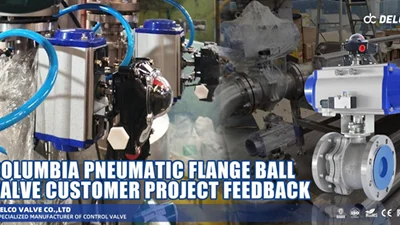
Präzise Durchflussregelung – Steigern Sie Ihre industrielle Effizienz
10. Oktober 2025
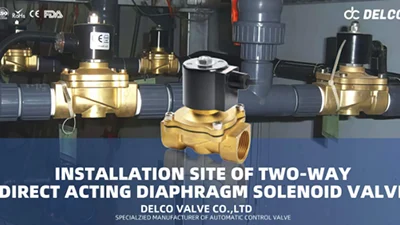
Das DELCO Zweiwege-Direktwirkungs-Membranmagnetventil im Einsatz
11. Oktober 2025
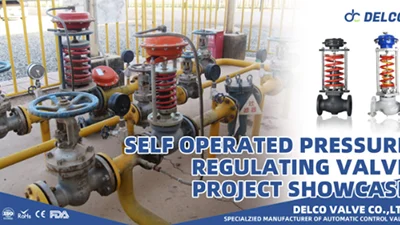
Das DELCO Selbsttätiges Druckregelventil im Einsatz
11. Oktober 2025
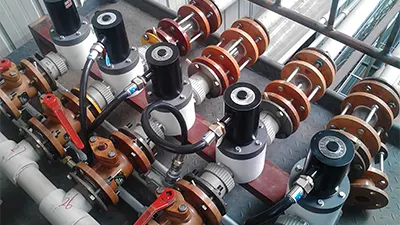
Welche Spannungen stehen für den Aktor zur Verfügung?
06. Nov 2025
Bei der Handhabung aggressiver Chemikalien und Abwässer versagen herkömmliche Metallventile zu schnell. Die ZCFP-Serie wurde entwickelt, um genau dieses Problem zu lösen. Dieses robuste, korrosionsbeständige Magnetventil trennt das Medium vollständig von metallischen Komponenten und gewährleistet so langfristige Zuverlässigkeit in anspruchsvollen Industrieumgebungen.
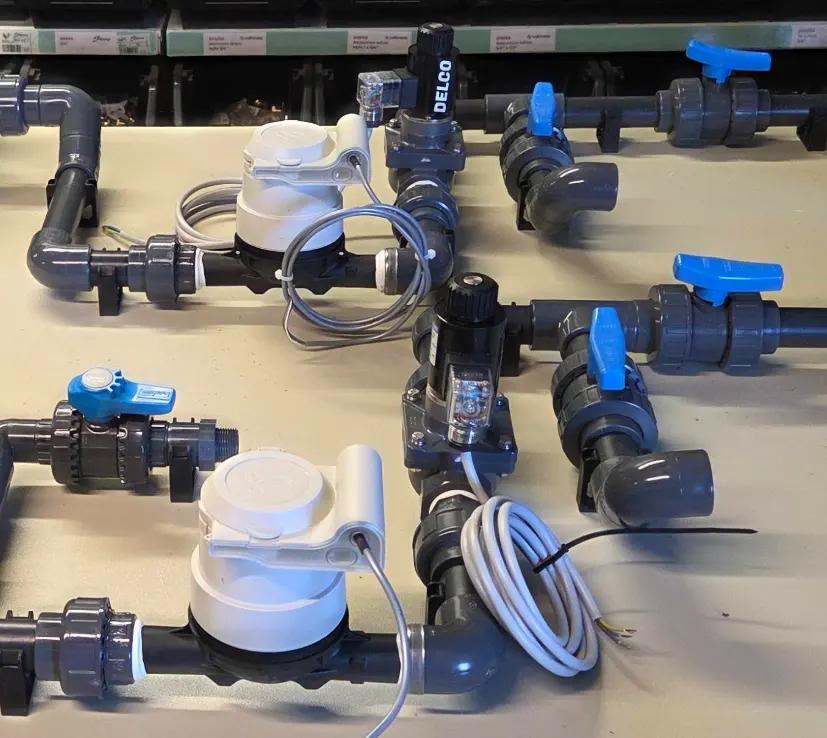
Die vollständig aus Kunststoff gefertigte, flüssigkeitsberührende Konstruktion verhindert Korrosion.
Standardventile fallen häufig aufgrund von galvanischer Korrosion oder chemischer Zersetzung aus, wenn Metallkomponenten mit aggressiven Medien in Kontakt kommen. Die ZCFP-Serie zeichnet sich durch ein metallfreies Design aus . Durch den vollständigen Verzicht auf Metall im Mediumweg wird das Risiko von Rost, chemischen Reaktionen und vorzeitigem Ventilausfall eliminiert. Sie ist das optimale Magnetventil für korrosive Wasser- und Chemikaliendosierleitungen.
Fortschrittliche Karosseriematerialarchitektur: UPVC vs. CPVC
Wir fertigen unsere Ventilkörper aus hochwertigen thermoplastischen Polymeren, um spezifische Temperatur- und chemische Anforderungen zu erfüllen:
- UPVC (weichmacherfreies Polyvinylchlorid): Hervorragend geeignet für die allgemeine Wasseraufbereitung, schwache Säuren, Laugen und Salze. Am besten für den Betrieb bei Umgebungstemperatur.
- CPVC (chloriertes Polyvinylchlorid): Bietet höhere Chemikalienbeständigkeit und hält erhöhten Temperaturen stand. Ideal für anspruchsvolle Anwendungen. chemische Verarbeitung und Heißwasserkreisläufe mit korrosivem Wasser.
PTFE-Dichtung für maximale chemische Inertheit
Um absolute Dichtheit zu gewährleisten, verwendet die ZCFP-Serie hochwertige PTFE- (Teflon-) und FPM/VITON-Dichtungselemente . PTFE ist gegenüber nahezu allen Industriechemikalien, Säuren und Basen praktisch inert. Diese Konstruktion isoliert den internen Mechanismus vollständig und sorgt für eine perfekte Abdichtung über Millionen von Zyklen.
Technische Parameter im Überblick
| Parameter | Spezifikationsdetails |
|---|---|
| Ventilgrößenbereich | DN15 bis DN50 (1/2" bis 2" Gewinde oder Flansch) |
| Körper-Material | UPVC / CPVC |
| Dichtungsmaterial | PTFE / FPM |
| Druckbereich | 0.1 bis 6 Bar (je nach Konfiguration) |
| Medientemperatur | UPVC: -5 °C bis 55 °C / CPVC: -5 °C bis 90 °C |
| Spannungsoptionen | AC220V, AC110V, DC24V, DC12V |
| Steuerungstyp | Normalerweise geschlossen (NC) / Normalerweise offen (NO) |
ZCFP-Magnetventil-Anwendung in Frankreich: Zuverlässige Durchflussregelung für korrosive Wassersysteme
Wir haben unsere ZCFP-Serie entwickelt, um die anspruchsvollsten Herausforderungen im Bereich Fluidhandling in ganz Europa zu meistern, insbesondere unter Berücksichtigung der strengen Umweltauflagen in Frankreich. Der Einsatz von Standardventilen beim Umgang mit aggressiven Medien führt häufig zu Ausfallzeiten und kostspieligen Störungen. Hier setzt unser spezielles ZCFP-Design an und leistet in wichtigen französischen Industriezweigen einen wichtigen Beitrag.
Industrielle Abwasser- und Wasseraufbereitungsanlagen (KWTP)
Moderne französische Kläranlagen verarbeiten hochkorrosive Abwässer, Chemikaliendosierungen und schwankende pH-Werte. Standardmäßige Metallkomponenten zersetzen sich unter diesen Bedingungen schnell.
- Chemikaliendosierleitungen: Unsere ZCFP-Serie dient als äußerst zuverlässige Magnetventil für Wasseraufbereitung, die präzise Steuerung des Flusses von Säuren und Laugen, die bei der Neutralisation verwendet werden.
- Abwassermanagement: Das vollständig aus Kunststoff gefertigte Gehäuse dient als ideale Abwasserbehandlungsventil, resistent gegen Ablagerungen und chemische Angriffe.
- System Integration: Während unserer Hochleistungs-Absperrventile für Schlammabwasser Während das ZCFP-Magnetventil für die primäre Massenflüssigkeitsabsperrung zuständig ist, kümmert es sich um die automatisierten, hochfrequenten Dosierleitungen.
Zivile Wasseraufbereitung und Leichtindustrie
Die Sicherstellung von sauberem Trinkwasser und die Aufrechterhaltung von reinem Prozesswasser für die Leichtindustrie erfordern Komponenten, die keine Schadstoffe freisetzen.
- Kontrolle von korrosivem Wasser: Das ZCFP funktioniert einwandfrei als Industrielles Magnetventil für die Wasseraufbereitung, um Reinwasserkreisläufe vor metallischer Verunreinigung zu schützen.
- Entsalzung und Demineralisierung: Es bewältigt Umkehrosmose-Abwasser (RO) und hochkonzentrierte Salzlösungen, ohne die Dichtigkeit zu verlieren.
Chemische Verarbeitung und Herstellung in Frankreich
Von Chemieanlagen in Lyon bis hin zu spezialisierten Produktionszentren im ganzen Land benötigen französische Ingenieure eine automatisierte Durchflussregelung, die Sicherheit und Langlebigkeit gewährleistet.
- Aggressiver Umgang mit Medien: Dieser chemikalienbeständiges Magnetventil Gewährleistet den sicheren Transport von aggressiven Säuren, Basen und Salzen.
- Prozessautomatisierung: Als zuverlässiger Magnetventil für die chemische VerarbeitungEs lässt sich nahtlos in automatisierte Regelkreise integrieren und gewährleistet so absolute Leckagefreiheit und gleichbleibende Zykluszeiten auch unter härtesten Bedingungen.
Warum französische Ingenieure sich entscheiden DELCO VALVE ZCFP-Serie
Wir haben unser UPVC/CPVC-Magnetventil der Serie ZCFP speziell für die hohen Betriebsanforderungen europäischer Industrienetze entwickelt. Französische Ingenieure entscheiden sich immer wieder für diese Serie, da sie häufige Ausfälle durch aggressive Medien und Kalkablagerungen im Wasser von vornherein verhindert.
Anti-Skalierungs- und wartungsarme Architektur
Standardventile in Anlagen zur Chemikaliendosierung und Wasseraufbereitung fallen häufig aufgrund schneller Mineralablagerungen aus. Unser spezieller Kunststoff-Fluidkanal verfügt über ultra-glatte Innenwände, die das Anhaften von Kalk, Ablagerungen und chemischen Kristallen am Mechanismus verhindern und so eine gleichbleibende Funktion des automatischen Durchflussregelventils gewährleisten.
Vor Ort austauschbare Komponenten für schnelle Wartung
Systemausfallzeiten kosten Geld. Wir haben dieses korrosionsbeständige Magnetventil mit modularen, vor Ort austauschbaren Teilen entwickelt. Lokale Wartungsteams können interne Komponenten innerhalb weniger Minuten direkt im Werk warten oder austauschen, ohne die gesamte Rohrleitungsinfrastruktur demontieren zu müssen.
Konformität und Zuverlässigkeit mit europäischen Vorschriften
Wir stellen sicher, dass jedes Ventil den in den europäischen Industriezweigen geforderten Sicherheits- und Qualitätsstandards entspricht. Von Kläranlagen bis hin zu Chemieanlagen bietet unser Design eine äußerst zuverlässige und zertifizierte Lösung für moderne Fluidnetze.
Wichtigstes technisches Merkmal: Betrieblicher Vorteil: Metallfreier Innenkontakt verhindert chemische Zersetzung und galvanische Korrosion. Modulares Magnetventil-Set ermöglicht schnellen, werkzeuglosen Austausch vor Ort. Verstopfungsfreie Geometrie reduziert die Reinigungsintervalle um mehr als die Hälfte.
Auswahlkriterien: Die richtige ZCFP-Konfiguration auswählen
Die richtige Konfiguration für Ihre ZCFP-Magnetventilanwendung in Frankreich: Eine zuverlässige Durchflussregelung für korrosive Wassersysteme hängt davon ab, dass Ihre spezifische Fluiddynamik mit der richtigen Ventilkonstruktion übereinstimmt.
Kartierung der chemischen Kompatibilität: Säure-/Laugenkonzentration
- Karosserien aus PVC: Ideal für Standard-Industriewasseraufbereitungssysteme, die Dosierung von leichten Chemikalien und die Standard-Abwasserbehandlung.
- CPVC-Gehäuse: Empfohlen für höhere Chemikalienkonzentrationen und aggressive Säuren.
- Dichtungsauswahl: Stellen Sie sicher, dass das Dichtungselement (PTFE oder FKM) exakt zu Ihrer chemischen Mischung passt, um eine einwandfreie Funktion zu gewährleisten. chemikalienbeständiges Magnetventil Konfiguration.
Temperatur- und Druckvergleich
- UPVC-Temperaturbereich: Zuverlässig bei Flüssigkeitstemperaturen bis zu 60°C.
- CPVC-Temperaturbereich: Entwickelt für raue Umgebungen bis zu 90°C.
- Druckschwellenwerte: Überprüfen Sie, ob Ihre gewählte korrosives Wassersteuerventil Die Konfiguration ist für den sicheren Umgang mit Ihrem maximalen Rohrleitungsdruck ausgelegt, der in der Regel bis zu 6 bar für optimale Sicherheit beträgt.
Dimensionierung und Durchflussoptimierung (kv-Wert)
- Berechnung des kv-Wertes: Vermeiden Sie Unterdimensionierung, da diese den Mediumdurchfluss einschränkt, oder Überdimensionierung, da diese zu Systeminstabilität führt.
- Düsenanpassung: Wählen Sie die Ventilgröße anhand der tatsächlichen Durchflussmengen und nicht allein anhand des Rohrleitungsdurchmessers. Bei größeren Rohrleitungsintegrationen, bei denen ein direktwirkendes Kunststoffmagnetventil nicht optimal ist, wechseln Ingenieure häufig zu einem automatisierten System (z. B. https://www.delchttps://www.).delcovalves.com/motorized-ball-valve-the-complete-guide-to-types-wiring-and-selection/">motorisiertes Kugelventil zur Aufrechterhaltung einer zuverlässigen Durchflussregelung in der gesamten Anlage.
Häufig gestellte Fragen: Anwendung des ZCFP-Magnetventils in Frankreich: Zuverlässige Durchflussregelung für korrosive Wassersysteme
Wie wähle ich zwischen UPVC und CPVC für das ZCFP-Magnetventil?
Die Wahl hängt von Ihrer Betriebstemperatur ab. Wir empfehlen UPVC für Standard-Wassersysteme bei Umgebungstemperatur, während CPVC für chemische Prozesse mit höheren Temperaturen erforderlich ist.
Material | Maximale Temperatur | Ideale Anwendungen | UPVC | Bis zu 60 °C (140 °F) | Kommunales Wasser, leichtes industrielles Abwasser, schwache Säuren | CPVC | Bis zu 90 °C (194 °F) | Heiße Chemikaliendosierung, aggressive Industrieabwässer
Welchen Druckbereich kann die ZCFP-Serie in Wasseraufbereitungsanlagen bewältigen?
Unsere ZCFP-Serie arbeitet zuverlässig in einem Druckbereich von 0.3 bis 6 bar (0.03 bis 0.6 MPa). Dadurch eignet sie sich ideal für Niederdruck-Chemikaliendosierkreisläufe und Standard-Industrieabwasserbehandlungsanlagen in ganz Frankreich.
Ist das ZCFP-Ventil beständig gegen hochkonzentrierte Schwefelsäure?
Ja. Mit einem CPVC-Gehäuse und PTFE/FKM-Dichtungen ist die ZCFP-Serie hervorragend für Schwefelsäure geeignet. Es gelten jedoch Konzentrations- und Temperaturgrenzen. Wenn Sie sich bezüglich Ihrer spezifischen Chemikalienmischung unsicher sind, konsultieren Sie unseren ausführlichen Leitfaden zur Eignung des Ventils für korrosive Chemikalien , um die vollständige Materialverträglichkeit sicherzustellen.
Wie verhindert die metallfreie Konstruktion einen Ventilausfall?
Herkömmliche Ventile versagen, wenn aggressive Flüssigkeiten freiliegende Metallfedern oder -spindeln angreifen. Unsere korrosionsbeständige Konstruktion isoliert alle metallischen Funktionsteile vom Flüssigkeitskanal.
- Vollständige Isolierung: Nur Kunststoffe (UPVC/CPVC) und Elastomere (PTFE/FKM) kommen mit dem Medium in Berührung.
- Keine galvanische Korrosion: Verhindert die elektrochemische Degradation vollständig.
- Erweiterte Lebensdauer: Minimiert Wartungsstillstände in aggressiven Wasserumgebungen.
Suchen Sie eine zuverlässige Magnetventillösung für Anwendungen mit korrosivem Wasser? Kontaktieren Sie unser Team noch heute, um Ihre Projektanforderungen zu besprechen. Wir bieten Ihnen professionelle Unterstützung bei der Ventilauswahl und maßgeschneiderte Lösungen für Ihre industriellen Anwendungen.
Auf Social Media teilen:


Kontakt
In diesem Artikel
Präzise Durchflussregelung – Steigern Sie Ihre industrielle Effizienz
10. Oktober 2025
Das DELCO Zweiwege-Direktwirkungs-Membranmagnetventil im Einsatz
11. Oktober 2025
Das DELCO Selbsttätiges Druckregelventil im Einsatz
11. Oktober 2025
Welche Spannungen stehen für den Aktor zur Verfügung?
06. Nov 2025