

 Hubungi Kami


Panduan Pemilihan Injap HVAC: Jenis, Saiz & Amalan Terbaik
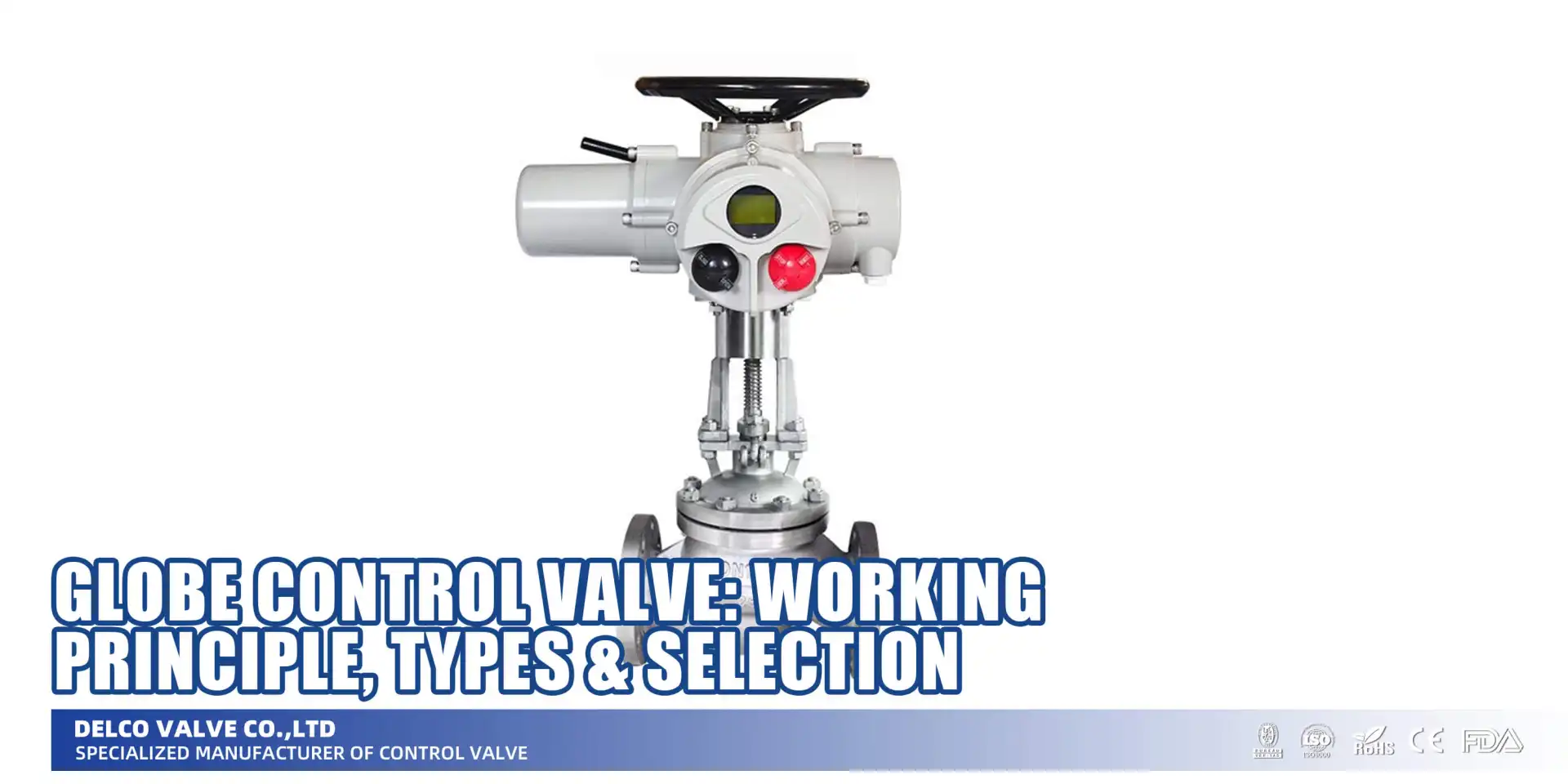
Injap Kawalan Globe: Prinsip Kerja, Jenis & Panduan Pemilihan
September 24, 2026
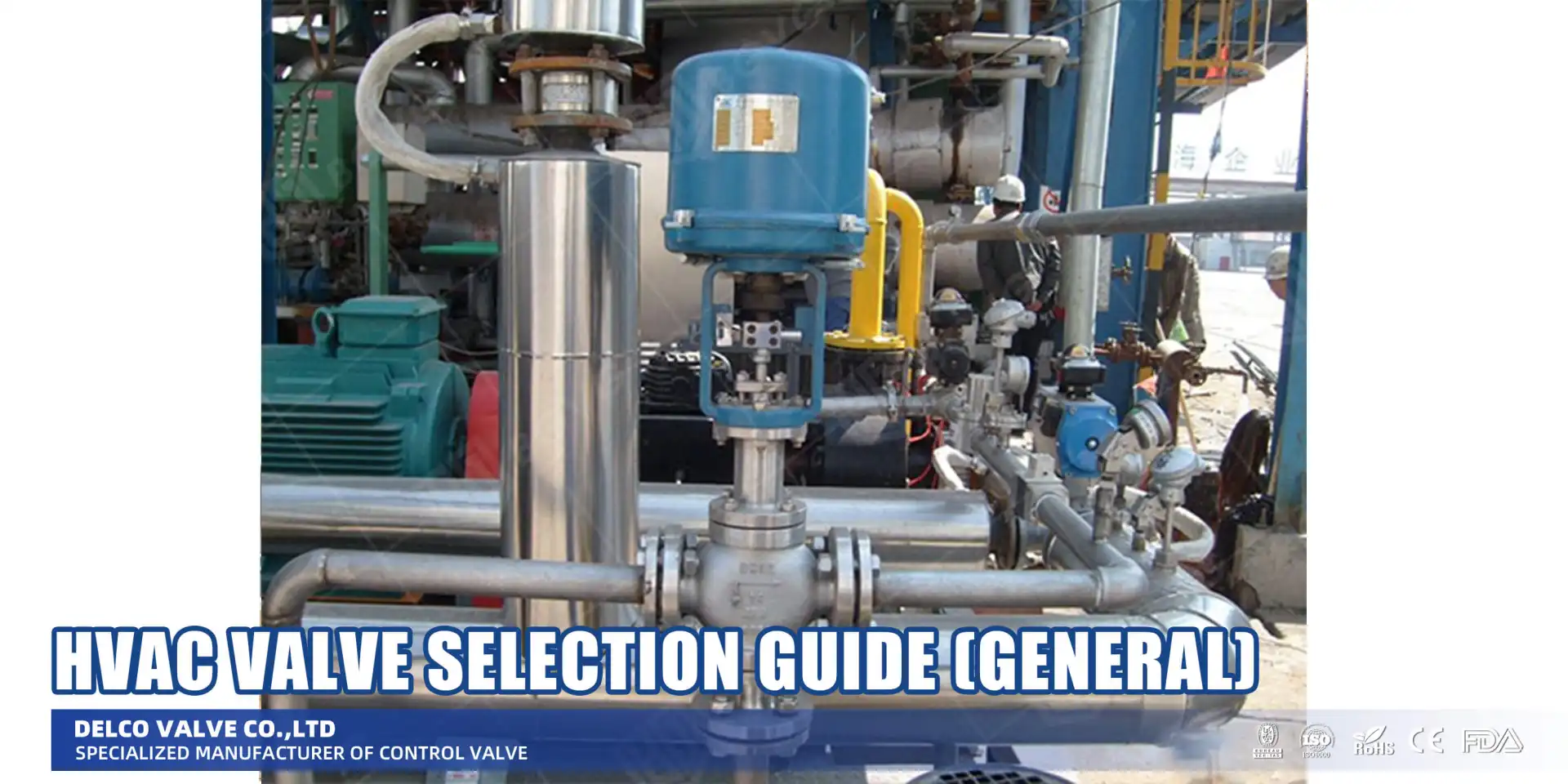
Panduan Pemilihan Injap HVAC: Jenis, Saiz & Amalan Terbaik
September 15, 2026
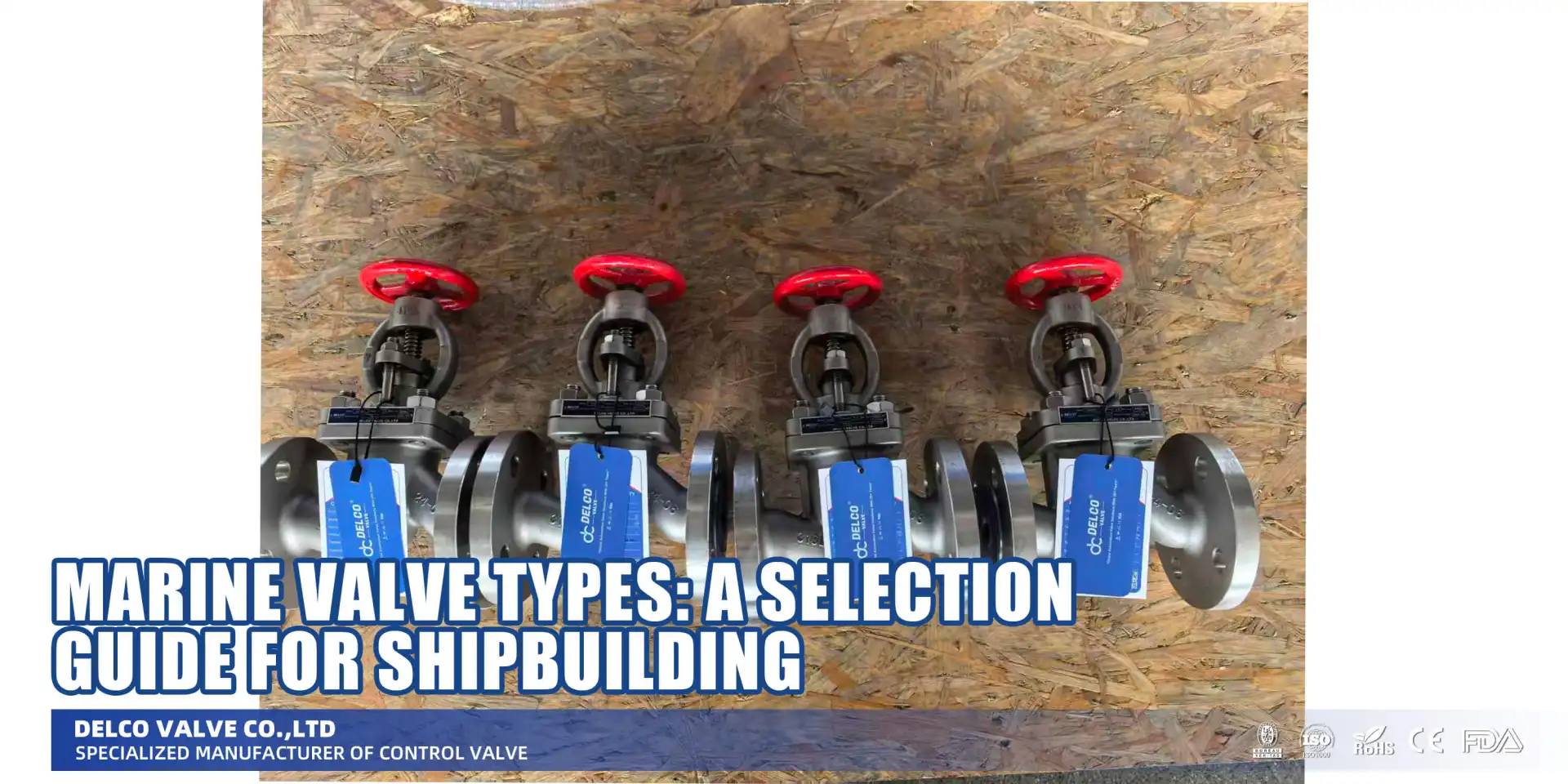
Jenis Injap Marin: Panduan Pemilihan Lengkap untuk Pembinaan Kapal
September 11, 2026

Bagaimana Menjadi a DELCO Pengedar Injap: Panduan Langkah demi Langkah
September 09, 2026
1. Introduction: Why HVAC Valve Selection Matters
Imagine a commercial high-rise building on a sweltering summer day. The chiller plant is running at full capacity, but the top floors are complaining of the heat, while the lobby is freezing. The culprit? Often, it's not the chillers or the pumps—it is poor HVAC valve selection and hydronic balancing.
Every modern building relies on an intricate network of piping to distribute heating and cooling. At the heart of this hydronic network is the Injap HVAC. Selecting the correct HVAC control valve is critical for maintaining precise temperature control, maximizing energy efficiency, and ensuring the longevity of mechanical equipment like chillers, boilers, and air handling units (AHUs).
Whether you are a mechanical contractor bidding on a new hospital, a building services consultant designing a district cooling network, or a facility manager troubleshooting uneven temperatures, understanding how to select the right HVAC valve is paramount. An undersized valve will starve a coil, leading to comfort issues, while an oversized valve will cause "hunting," leading to premature actuator failure and wasted energy.
Dalam panduan komprehensif ini, DELCO Injap will walk you through the types of valves used in heating, ventilation, and air conditioning systems, how to size them correctly, and how proper selection directly impacts building performance.
2. HVAC Systems Overview: Where Valves Fit In
Before diving into specific valve types, it is important to understand the typical hydronic loops within a commercial HVAC system where these valves operate. The primary function of an HVAC valve is to regulate, isolate, or direct the flow of a heat transfer fluid (water, glycol, or steam).
Chilled Water Systems (CHW)
Chilled water loops circulate cold water (typically around 42°F or 5.5°C) from the central chillers to cooling coils in AHUs and Fan Coil Units (FCUs). Control valves modulate the flow of chilled water into the coils based on the space temperature demand. Isolation valves are used for maintenance, and balancing valves ensure water reaches the furthest FCUs.
Hot Water Systems (HW)
Similar to chilled water, heating hot water loops circulate water from boilers or heat pumps to heating coils, radiators, or VAV reheat boxes. Because hot water has different density and viscosity profiles than chilled water, valve sizing and material selection (especially trim materials) must account for higher temperatures.
Condenser Water Systems (CW)
This open-loop system connects the chiller's condenser to the cooling tower. Condenser water is exposed to the atmosphere, meaning it carries more oxygen, scale-forming minerals, and debris. Valves in this system—typically large butterfly valves—must feature robust, corrosion-resistant materials (like CF8M stainless steel or specialized elastomer seats).
Sistem Wap
In older buildings, hospitals, and industrial facilities, steam is used for primary heating or humidification. Steam HVAC valves must handle high temperatures, high pressures, and phase changes. Globe valves are predominantly used here due to their excellent throttling capabilities and ability to withstand high-velocity steam flow.
3. Types of HVAC Valves: A Deep Dive
Selecting the right valve starts with understanding its primary function: does the system need to control flow (modulate), stop flow (isolate), prevent backflow, or balance the pressure? Here is a breakdown of the most critical HVAC valve types.
3.1 2-Way Control Valves
A 2-way control valve HVAC application is the standard for modern, variable-flow hydronic systems. These valves have one inlet and one outlet. They modulate (open and close) to regulate the exact amount of chilled or hot water entering a coil based on a signal from the building management system (BMS).
- Bagaimana mereka berfungsi: As the space temperature approaches the setpoint, the 2-way valve throttles down, reducing flow. This increases the pressure in the piping network, signaling variable frequency drive (VFD) pumps to slow down, saving massive amounts of pumping energy.
- Bila hendak menggunakan: Variable flow systems, AHU cooling/heating coils, VAV reheat coils.
3.2 3-Way Control Valves
A 3-way control valve has three ports and comes in two configurations: Mencampur (two inlets, one outlet) and Melencong (one inlet, two outlets).
- Bagaimana mereka berfungsi: Instead of stopping the flow of water like a 2-way valve, a 3-way valve bypasses the unneeded water around the coil and back to the return line. This maintains a constant flow of water through the primary chiller or boiler loop.
- Bila hendak menggunakan: Constant flow systems, older HVAC retrofits, primary chiller loop bypasses. While less common in modern energy-efficient designs, they are still necessary to maintain minimum flow rates across chillers and boilers to prevent freezing or boiling.
3.3 Balancing Valves
Hydronic balancing is the process of ensuring every terminal unit in an HVAC system receives its designed flow rate, regardless of its distance from the pump.
- Static Balancing Valves: Manual valves adjusted during commissioning using a manometer. They add a fixed resistance to the circuit.
- Dynamic Balancing Valves (PICV): Pressure Independent Control Valves (PICVs) combine a control valve, a differential pressure regulator, and a flow limiter into one body. They automatically adjust to system pressure fluctuations, guaranteeing perfect balance and eliminating the need for complex manual balancing.
- Bila hendak menggunakan: Every branch line, AHU, and FCU requires balancing. PICVs are highly recommended for modern variable flow systems.
3.4 Butterfly Valves
Butterfly valves are quarter-turn rotary valves used primarily for isolation in large-diameter pipes (typically DN50 and above). They feature a disc that rotates parallel to the flow.
- Kelebihan: Compact face-to-face dimension, lightweight, cost-effective for large mains, quick operation.
- Bila hendak menggunakan: Chiller isolation, cooling tower isolation, pump suction/discharge headers. For HVAC, resilient-seated butterfly valves (EPDM seats) are the industry standard for water applications.
3.5 Globe Control Valves
Injap kawalan glob feature a linear motion design with a plug that moves straight down into a seat. They provide the most precise, accurate flow modulation of any valve type.
- Kelebihan: High rangeability, excellent throttling characteristics (equal percentage or linear), high pressure drop capabilities.
- Bila hendak menggunakan: Large AHU coils, steam pressure reducing stations, district heating heat exchangers, and any application requiring extremely tight temperature control.
3.6 Injap Periksa
Check valves are automatic, one-way directional valves that prevent reverse flow (backflow) in the hydronic system.
- Types used in HVAC: Dual plate check valves, swing check valves, and non-slam check valves.
- Bila hendak menggunakan: Pump discharge lines (to prevent water from spinning the pump backward when turned off), parallel chiller configurations, and makeup water lines. Non-slam check valves are crucial in HVAC to prevent water hammer, a destructive force caused by sudden flow reversal.
3.7 Ball Valves
Ball valves are quarter-turn valves utilizing a hollow, perforated, pivoting ball to control flow.
- Kelebihan: Excellent tight shut-off, low pressure drop, easy to operate.
- Bila hendak menggunakan: Typically used for isolation on small-bore piping (DN15 to DN50). You will find them isolating FCUs, VAV boxes, and branch lines. Some characterized ball valves (with a V-port) are used for control, but standard ball valves are strictly for on/off isolation.
4. Electric vs. Pneumatic Actuators for HVAC Systems
A control valve is only as good as the actuator driving it. Actuators receive the control signal (e.g., 4-20mA, 0-10VDC) and provide the mechanical force to stroke the valve. HVAC systems generally use either electric or pneumatic actuators. Today, electric actuated valves are the dominant choice for commercial buildings, while pneumatics are reserved for specific industrial or legacy applications.
Actuator Comparison Table
| Ciri | Penggerak Elektrik | Penggerak Pneumatik |
|---|---|---|
| Sumber kuasa | Electricity (24V, 120V, 230V) | Compressed Air (typically 3-15 psi) |
| Infrastructure Needed | Pendawaian elektrik | Air compressor, dryers, tubing network |
| Ketepatan Kawalan | Extremely high, easily integrates with DDC/BMS | Good, but susceptible to air leaks and moisture |
| Mekanisme Gagal-Selamat | Requires internal spring-return or battery backup | Inherent fail-safe (spring return on air loss) |
| Kos Permulaan | Lebih tinggi setiap unit | Lower per unit (but requires compressor system) |
| penyelenggaraan | Low (virtually maintenance-free) | High (compressor maintenance, air line bleeding) |
| Best HVAC Application | Commercial office buildings, hospitals, schools | Hazardous environments, legacy industrial plants |
Pakar Pakar: When upgrading an old building from pneumatic to Direct Digital Control (DDC), replacing pneumatic actuators with modern electric actuators with smart feedback (HART protocol or BACnet) provides significantly better energy monitoring and diagnostics.
5. HVAC Valve Sizing: Cv, Authority, and Pressure Drop
Selecting the correct valve type is only half the battle. Sizing an HVAC control valve properly is arguably the most critical engineering task in hydronic design.
Understanding Flow Coefficient (Cv / Kvs)
Valve sizing is based on the Pekali Aliran, dilambangkan sebagai Cv (Imperial) atau Kvs (Metric).
- Cv is defined as the number of US gallons of water per minute at 60°F that will flow through a fully open valve with a pressure drop of 1 psi.
- Formula: Cv=Q×G/ ΔP (Where Q = flow rate in GPM, G = specific gravity of the fluid, ΔPΔP = pressure drop across the valve in psi).
If a valve's Cv is too small, it will not deliver enough water to the coil at full load, resulting in a space that cannot reach setpoint.
Bahaya Saiz Terlalu Besar
The most common mistake in HVAC is terlalu besar the valve (e.g., just matching the valve size to the pipe size). An oversized valve will flow its required capacity when it is only 10% or 20% open. Because it operates so close to the closed position, the slightest movement of the actuator causes massive changes in flow. This causes the system to "hunt"—constantly oscillating between too hot and too cold—which wears out the actuator prematurely and destabilizes the building temperature.
Valve Authority
To ensure a control valve can actually "control" the flow, it must possess sufficient Valve Authority. Valve authority is the ratio of the pressure drop across the fully open valve to the total pressure drop of the entire circuit (valve + coil + piping).
- For excellent controllability, a 2-way control valve should have an authority of at least 0.5 (atau 50%). This means the pressure drop across the valve should be equal to or greater than the pressure drop across the coil it is controlling.
6. HVAC Valve Selection by Application
To simplify the selection process, consult this quick-reference matrix for typical commercial HVAC applications.
| HVAC Equipment / Application | Fungsi Injap | Jenis Injap Disyorkan | Bahan Biasa |
|---|---|---|---|
| Chiller Isolation | On/Off Isolation | Injap Rama-rama Duduk Berdaya Tahan | Cast Iron / Ductile Iron body, EPDM seat |
| Chiller Pump Discharge | Pencegahan Aliran Balik | Non-Slam Check Valve / Dual Plate | Besi mulur |
| Large AHU Cooling Coil | Modulasi Tepat | Globe Control Valve (2-way) | WCB Carbon Steel / Cast Iron, SS trim |
| Unit Gegelung Kipas (FCU) | Control & Balancing | Pressure Independent Control Valve (PICV) | Loyang / Gangsa |
| Cooling Tower Mains | Pengasingan | Injap Rama-rama Berprestasi Tinggi | Carbon Steel / CF8M Stainless Steel |
| Steam Heating Coil | modulasi | Bellows Seal Globe Control Valve | WCB Carbon Steel / CF8M |
| Small Branch Lines | Pengasingan | Ball Valve (Full Port) | Loyang / Keluli Tahan Karat |
7. Common HVAC Valve Problems and Troubleshooting
Even with top-tier equipment, mechanical systems experience wear and tear. Here are common issues facility managers face with HVAC valves and how to troubleshoot them.
- Tukul Air:
- Gejala: A loud banging noise echoing through the pipes when pumps turn off or valves close.
- Punca: Sudden flow reversal or valves closing too quickly.
- penyelesaian: Replace standard swing check valves with injap sehala bukan slam. Adjust actuator stroke times to close more slowly.
- Hunting (Oscillation):
- Gejala: The valve actuator is constantly moving up and down; room temperature fluctuates wildly.
- Punca: The control valve is oversized and has poor valve authority.
- penyelesaian: Calculate the required Cv and replace the valve with a smaller size, or transition to a PICV which is immune to pressure fluctuations.
- Leaking / Passing (Inadequate Shut-off):
- Gejala: The cooling coil gets cold even when the BMS commands the valve 100% closed.
- Punca: Debris caught in the valve seat, worn out seals, or actuator lacks sufficient close-off force.
- penyelesaian: Flush the system and clean strainers. Ensure the valve classification (e.g., ANSI Class IV or VI shut-off) matches the application requirement. Check the actuator torque rating.
- Peronggaan:
- Gejala: A sound like gravel flowing through the pipes; severe pitting on the valve trim.
- Punca: Extreme pressure drops causing the fluid to vaporize and implode.
- penyelesaian: Select valves with anti-cavitation trim (specialized globe valves) or reduce the pressure drop across the valve by staging pressure reduction.
8. Energy Efficiency and Proper Valve Selection
In the era of green building certifications (LEED, BREEAM) and strict carbon emission goals, energy efficiency is paramount. HVAC valves play a direct role in minimizing energy consumption.
- Reducing Pumping Energy (Low ΔTΔT Syndrome): If control valves fail to regulate flow properly, more water than necessary passes through the coils without absorbing/rejecting heat. This leads to Low ΔT (Delta T) syndrome, forcing central pumps and chillers to work significantly harder than necessary. Properly sized 2-way valves and PICVs ensure design ΔT is maintained, drastically cutting pumping energy.
- Pengedap Sifar Kebocoran: When hot water valves leak during the summer, the chilled water system has to work overtime to cancel out the unwanted heat. Specifying high-quality valves with ANSI Class VI tight shut-off prevents this phantom energy drain.
- Smart Actuators: Berpasangan DELCO control valves with intelligent electric actuators allows for real-time monitoring of flow and energy consumption, feeding valuable data back into the BMS for ongoing system optimization.
9. Soalan Lazim (FAQ)
Q1: What is the difference between a 2-way and a 3-way HVAC control valve? A 2-way valve modulates the flow to the coil, restricting water and reducing overall system flow (used in variable flow systems). A 3-way valve bypasses water around the coil, maintaining a constant flow rate in the main system loop (used in constant flow systems).
Q2: Can I use a butterfly valve for throttling in HVAC? While butterfly valves are primarily for isolation, high-performance butterfly valves can be used for throttling large flows (typically between 30° and 70° open). However, for precise temperature control on coils, globe valves or characterized ball valves are vastly superior.
Q3: What does Cv mean in valve selection? Cv (Flow Coefficient) indicates the capacity of a valve. It is the number of US gallons of water per minute that can pass through a fully open valve with a 1 psi pressure drop. It is the most critical metric for sizing a control valve to match a coil's heat transfer requirements.
Q4: Why should I choose PICV over traditional balancing valves? Pressure Independent Control Valves (PICVs) combine flow control and pressure balancing into one unit. They dynamically adjust to system pressure changes, preventing overflow, simplifying commissioning, and ensuring perfect hydronic balance under all load conditions.
Q5: How often do HVAC valves need maintenance? Isolation valves (ball, butterfly) require minimal maintenance, just occasional cycling to prevent seizing. Control valves should be inspected annually. Strainers upstream of the valves should be cleaned regularly to prevent debris from damaging the valve seat or causing leaks.
10. kesimpulan
betul HVAC valve selection is the linchpin of a high-performing, energy-efficient hydronic system. From sizing the Cv correctly to prevent hunting, to choosing between globe control valves and PICVs for terminal units, every decision impacts occupant comfort and operational costs.
By understanding the distinct roles of 2-way valves, balancing valves, and isolation valves, engineers and facility managers can design systems that run smoothly, quietly, and sustainably for decades.
Ready to specify the best valves for your next HVAC project?
- 📥 Download our Catalog: Explore our full range of certified industrial and HVAC valves.
- 🛠️ Hubungi Jurutera Kami: Need help calculating Cv or selecting the right actuator? Email kami di inquiry@delcofluid.com.
- 🔍 Semak imbas Produk: Discover our high-performance injap elektrik yang digerakkan dan injap kawalan glob hari ini.
Kongsi di Sosial:


Hubungi Kami
Dalam artikel ini
Injap Kawalan Globe: Prinsip Kerja, Jenis & Panduan Pemilihan
September 24, 2026
Panduan Pemilihan Injap HVAC: Jenis, Saiz & Amalan Terbaik
September 15, 2026
Jenis Injap Marin: Panduan Pemilihan Lengkap untuk Pembinaan Kapal
September 11, 2026
Bagaimana Menjadi a DELCO Pengedar Injap: Panduan Langkah demi Langkah
September 09, 2026