



 Home /
 Wafer Butterfly Valve: Working Principle, Types & Advantages Guide
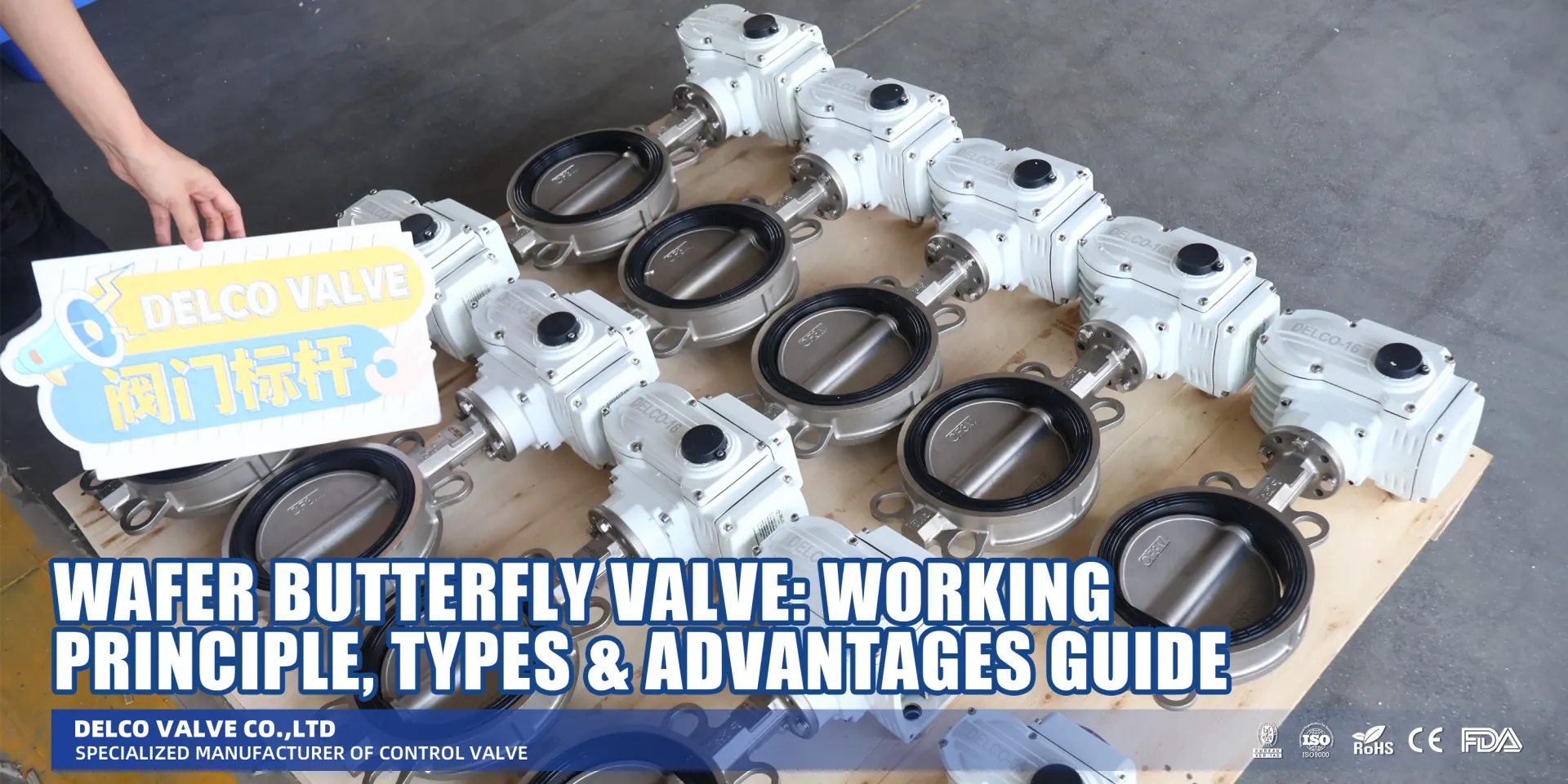
Wafer Butterfly Valve: Working Principle, Types & Advantages Guide
Dec 29, 2025
Motorized Ball Valve: The Complete Guide to Types, Wiring, and Selection
Dec 29, 2025
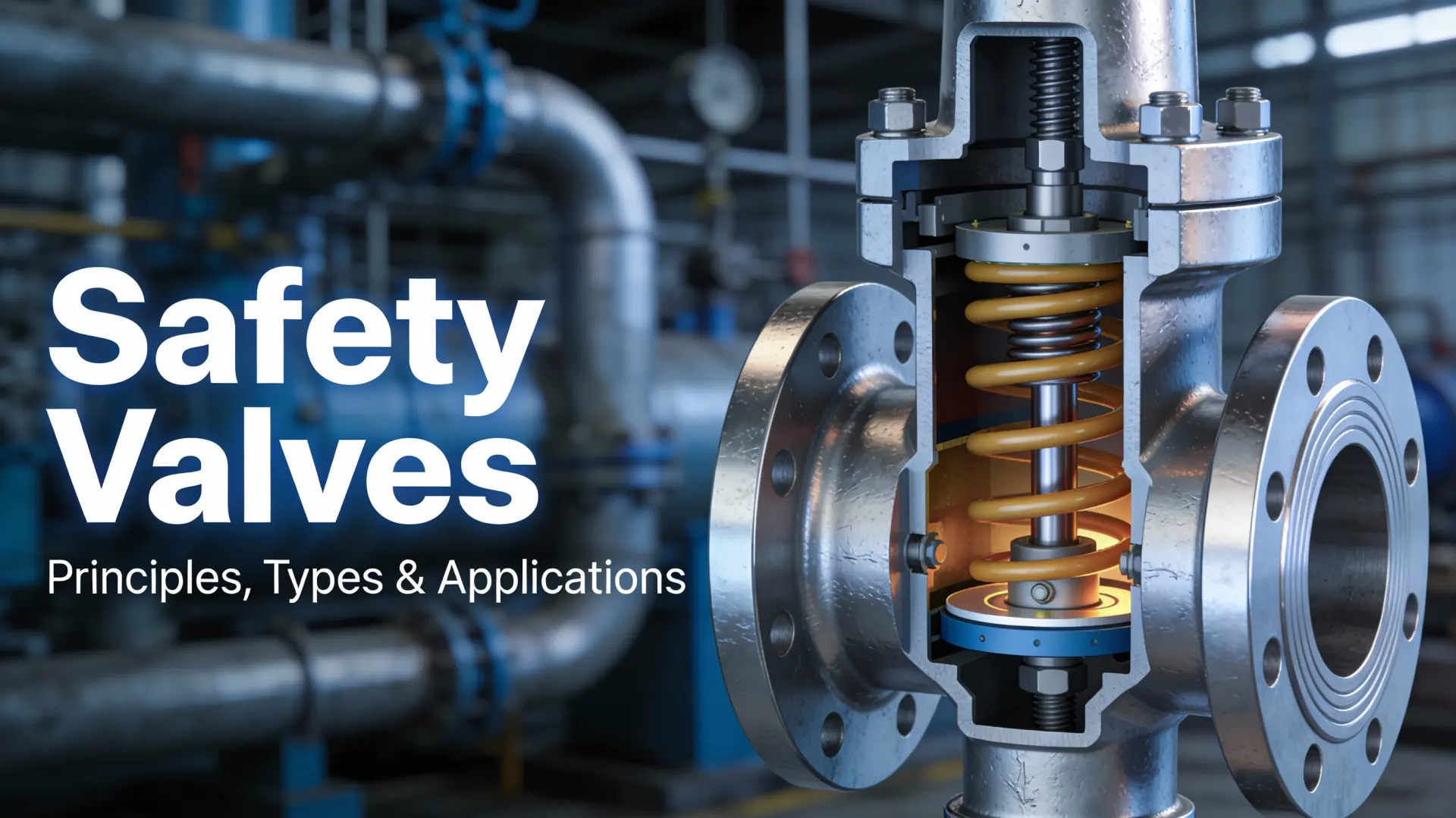
Safety Valves: A Complete Guide to Principles, Types, and Applications
Dec 28, 2025

What Is a Valve: A Complete Guide to Types, Parts, Functions, and Selection
Dec 26, 2025
Explore the wafer butterfly valve working principle types advantages and application introduction in this expert DELCO guide for engineers.
Are you struggling to select the most efficient flow control solution for your piping system?
You aren’t alone. Choosing the right component is the difference between a seamless operation and costly downtime.
Enter the wafer butterfly valve.
It is one of the most versatile, compact, and cost-effective industrial flow control valves on the market today. But with various types—from concentric to double offset—how do you ensure you’re picking the right one?
As the experts at DELCO VALVE, we have poured years of engineering experience into this guide.
In this technical guide, you will learn:
Expert installation tips to prevent leakage.
The Wafer Butterfly Valve Working Principle and mechanism.
Key differences: Wafer vs Lug Butterfly Valve installation.
Types: From Resilient Seated to Triple Offset designs.
Let’s dive right in.
What Is a Wafer Butterfly Valve?
At DELCO VALVE, we define a wafer type butterfly valve as the ultimate space-saving solution. Unlike traditional bulky valves (learn more in our complete guide on [What Is a Valve: Types, Parts, and Functions]), the wafer valve is designed to be “sandwiched” tightly between two pipe flanges using long bolts or studs that span the entire length of the valve body.
This design makes it lightweight, economical, and exceptionally easy to install. We engineered this valve for systems where reducing the face-to-face dimension and overall piping weight is critical, without sacrificing performance.
Core Components of Our Design
To ensure reliable operation, we focus on five critical components in every wafer butterfly valve we manufacture:
- Body: A compact housing that centers automatically between flanges (compatible with ANSI/DIN/JIS standards).
- Disc: The closure element that rotates 90 degrees to regulate flow.
- Seat: A resilient seated liner (often EPDM, NBR, or PTFE) that wraps around the body to provide a bubble-tight seal and acts as the flange gasket.
- Stem: A high-strength shaft connecting the actuator to the disc.
- Actuator Mounting Pad: Designed to ISO 5211 standards, allowing for seamless integration with manual levers, gearboxes, or pneumatic/electric actuators.
Wafer vs. Lug vs. Flanged: Which Do You Need?
The most common question we get is about the wafer vs lug butterfly valve difference. While they look similar, their installation requirements and pressure capabilities differ significantly.
Here is a quick breakdown to help you choose the right connection:
| Feature | Wafer Type | Lug Type | Double Flanged |
|---|---|---|---|
| Installation | Sandwiched between two flanges using long bolts. | Threaded inserts on the body allow bolting from both sides. | Bolted directly to flanges on both ends. |
| End-of-Line Service | No. Cannot be used if downstream piping is removed. | Yes. Can isolate the end of a line. | Yes. Heavy-duty isolation. |
| Weight & Space | Lightest and most compact. | Heavier due to metal lugs. | Heaviest and bulkiest. |
| Cost | Most economical option. | Moderate cost. | Higher cost. |
Working Principle of Wafer Butterfly Valve
Understanding how a wafer type butterfly valve operates helps in realizing why it’s such a staple in American industrial flow control. At its core, this is a quarter-turn valve. We design these for speed and efficiency; you don’t need to turn a handwheel multiple times like with a gate valve. A simple 90-degree turn of the stem moves the disc from fully open to fully closed.
Here is the step-by-step breakdown of the operation:
- Fully Open (Parallel): When the valve is open, the disc aligns parallel to the flow direction. Because the disc profile is slim, you get maximum flow capacity with minimal pressure drop.
- Throttling (Intermediate): By rotating the handle or actuator to an angle between 0° and 90°, you can regulate the flow rate. This makes the valve excellent for balancing systems in HVAC or water treatment.
- Fully Closed (Perpendicular): Turning the disc a full 90 degrees positions it perpendicular to the pipe. The disc presses firmly into the seat—usually an EPDM seat butterfly valve or PTFE for chemical resistance—creating a bubble-tight seal.
Bi-Directional Sealing Mechanism
One of the reliable features we emphasize is bi-directional sealing. Whether the media is flowing left-to-right or right-to-left, the interference fit between the disc edge and the resilient seat guarantees a tight shutoff. The pressure of the media actually helps energize the seat against the disc, ensuring no leakage occurs.
This mechanism requires low torque to operate, which means you can use smaller, more cost-effective actuators. Whether you are running a manual lever or an automated system, the physics behind the wafer butterfly valve working principle ensures reliable isolation and flow control with minimal effort.
Types of Wafer Butterfly Valves
Not every wafer type butterfly valve is built for the same job. We generally break them down into three main categories based on how the disc aligns with the stem and the seat. Choosing the right design is critical for handling specific pressures and media types effectively without overspending on unnecessary specs.
Concentric Butterfly Valve (Centerline)
This is the industry standard “workhorse” for general applications. in a concentric butterfly valve, the stem passes strictly through the centerline of the disc and the seat. These are typically designed as a resilient seated butterfly valve, utilizing a rubber liner. Because the disc constantly interacts with the seat, they are extremely cost-effective and perfect for low-pressure water, air, and HVAC systems.
Double Offset Butterfly Valve
Often called high-performance valves, the double offset butterfly valve features two distinct offsets that allow the disc to “cam” away from the seat almost immediately upon opening. This design significantly reduces friction and wear on the seat compared to concentric models. We recommend these for higher cycle duties and systems requiring higher pressure handling where a standard rubber seat might degrade too quickly.
Triple Offset Butterfly Valve
When you are dealing with extreme heat, high pressure, or critical isolation, the triple offset butterfly valve is the go-to solution. It adds a third angular offset to the cone of the sealing face, ensuring the disc only contacts the seat at the final moment of closing. This eliminates friction entirely. These are usually metal-seated, providing a bubble-tight seal even in harsh petrochemical or steam services.
Material-Based Variations: Soft vs. Hard Seated
Beyond the mechanical design, the seat material dictates chemical compatibility and temperature limits:
- EPDM seat butterfly valve: The standard choice for water, wastewater, and glycol systems due to excellent resistance to weathering and ozone.
- PTFE lined butterfly valve: Ideal for corrosive chemicals and sanitary food applications due to Teflon’s non-reactive, non-stick nature.
- Metal/Hard-Seated: Essential for abrasive slurries, steam, or temperatures that exceed the limits of elastomers.
Key Advantages of Wafer Butterfly Valves
When we look at the landscape of industrial flow control, the wafer type butterfly valve stands out as a top performer for US facility managers and contractors. It isn’t just about stopping flow; it’s about doing it efficiently without blowing the budget. We recommend these valves for everything from water treatment to HVAC because they solve space and cost issues simultaneously.
Here is why a wafer butterfly valve is often the smartest choice for your piping system:
- Compact and Lightweight Design: The incredibly short face-to-face dimension is a game changer. Unlike bulky gate or globe valves, a wafer valve is designed to fit snugly between two flanges. This saves valuable piping space and significantly reduces weight, meaning you won’t need expensive, heavy-duty pipe supports.
- Cost-Effective Installation: Less material equals lower costs. Since the design relies on a “sandwich” installation between flanges (compatible with ANSI/DIN/JIS standards), the initial purchase price is lower. Plus, the maintenance is simpler compared to complex multi-part valves.
- Quick Quarter-Turn Operation: Time is money. As a quarter-turn valve, it moves from fully open to fully closed with a simple 90-degree rotation. This allows for rapid operation, which is critical during emergency shutoffs.
- Low Torque Requirements: Because of the balanced hydrodynamic design, these are low torque butterfly valves. You can operate them easily by hand, or if you are automating, you can use smaller, more affordable actuators.
- Reliable Bi-Directional Sealing: Whether you choose a resilient seated butterfly valve (like EPDM for water) or a high-performance option, you get a bubble-tight seal. The bi-directional sealing capability ensures zero leakage regardless of the flow direction.
- Versatile Actuation: The standard actuator mounting pad (ISO 5211) makes these valves incredibly versatile. We can easily equip them with electric or pneumatic actuators. Note that for smaller diameter lines (< 2") requiring precise automation, you might also consider our [Motorized Ball Valve] solutions as a compact alternative.
Would you like me to detail the specific limitations and when you should avoid using a wafer style valve in the next section?
Limitations and When to Consider Alternatives
While I stand by the wafer type butterfly valve as a versatile workhorse for most piping systems, it isn’t a magic wand for every situation. Choosing the right industrial flow control valve means understanding where the wafer design hits its limit.
I always tell my clients to look at the wafer vs lug butterfly valve difference carefully. Wafer valves rely on the clamping force of two mating flanges. Because of this “sandwich” design, they are not suitable for end-of-line or dead-end service. If you need to disconnect the downstream piping while keeping the upstream sealed, a wafer valve will simply fall out or lose its seal. For those spots, you definitely need a lug style valve.
Here is a quick breakdown of when you might need to look for an alternative:
- Dead-End Service: As mentioned, wafer valves cannot hold pressure if the downstream flange is removed.
- Extreme Pressure & Temperature: While high-performance options exist, standard resilient seated wafer valves have lower pressure/temperature ceilings compared to fully flanged or lug types. Also, remember that these are isolation valves, not safety devices. For critical system overpressure relief, always install dedicated [Safety Valves].
- Abrasive & High-Velocity Media: If you are dealing with heavy slurries or extremely high-velocity flows, the exposed liner and disc edge can suffer from erosion.
- Strict Piping Codes: Some US industrial codes specifically require lug or double-flanged connections for safety in certain chemical or high-pressure loops.
If your application involves isolating a pipe end for maintenance or dealing with aggressive slurries, give us a shout—we can guide you toward the right lug or flanged setup instead.
Common Applications and Industries
Because the wafer type butterfly valve is compact and reliable, we see it serving as the backbone in a massive range of US industries. It is the go-to solution where space is tight, but flow control needs to be absolute.
Here is where our valves make the biggest impact:
- Water Supply and Wastewater: This is our most common use case. Whether it is municipal water lines, irrigation, or a complex butterfly valve for water treatment, the resilient seated butterfly valve (often with an EPDM seat) handles the job efficiently.
- HVAC and Building Services: You will find these in almost every large commercial building. HVAC butterfly valve applications differ slightly from industrial ones, focusing heavily on chilled water, hot water loops, and air handling units where reliable isolation is key.
- Chemical and Petrochemical: When dealing with aggressive media, we use specialized liners. A PTFE lined butterfly valve provides the necessary chemical resistance without the high cost of exotic metal alloys.
- Food & Beverage: Cleanliness is everything here. We supply sanitary-compatible designs that meet FDA standards, ensuring no stagnation or contamination points.
- Heavy Industry (Power, Mining, Marine): From cooling water in power plants to abrasive slurry in mining, the industrial flow control valve must be tough. Our valves are built to withstand the vibration and rough environments typical of pulp & paper mills and marine bilges.
- Fire Protection: In fire suppression systems, there is no room for failure. These valves provide quick, sure-fire isolation when it matters most.
How to Select the Right Wafer Butterfly Valve
Selecting the correct wafer type butterfly valve isn’t just about matching the pipe diameter. You need to drill down into the specs to ensure the valve performs efficiently and lasts for the long haul. Here is what we prioritize when helping you spec out a job:
- Media Compatibility: This is the deal-breaker. If you are moving potable water, a standard EPDM seat works great. However, for aggressive chemicals or high-purity applications, you need to upgrade to a PTFE lined butterfly valve or specific stainless steel disc materials to prevent corrosion and swelling.
- Pressure Ratings and Standards: You have to match the valve to your system’s pressure class. We ensure our valves comply with major flange standards (ANSI/DIN/JIS) and design specs like API 609. This ensures the valve holds the line without leakage or structural failure under load.
- Sizing and Flow: Don’t just guess. You need to verify the face-to-face dimension to ensure the valve fits perfectly between your existing flanges. Additionally, check the Cv values (flow coefficient) to guarantee the valve provides adequate flow capacity when fully open.
- Actuation Readiness: Are you turning the valve manually or automating it? If you plan to use pneumatic or electric actuators later, make sure the valve comes with a standard actuator mounting pad (ISO 5211). This universal mounting interface saves you massive headaches during installation.
Quick Selection Checklist
| Consideration | Key Factor |
|---|---|
| Media | Match seat material (EPDM, NBR, Viton) to fluid type. |
| System Pressure | Verify ANSI Class (150/300) or PN ratings. |
| Fitment | Confirm face-to-face dimensions align with piping. |
| Control | Check for ISO 5211 pads for easy automation. |
Would you like me to detail the specific installation and maintenance best practices to ensure your valves last longer?
Installation and Maintenance Best Practices for Wafer Butterfly Valves
Getting the most out of your wafer type butterfly valve starts with how you put it in the line. These valves are rugged, but a sloppy installation can ruin the seat or cause leaks before you even start the pump. Whether you are working with ANSI, DIN, or JIS flange standards, the goal is a stress-free seal.
Here is how we recommend handling the installation and keeping things running smoothly.
How to Install Wafer Butterfly Valve Correctly
The beauty of the butterfly valve installation between flanges is its simplicity, but precision matters.
- Check the Gap: Ensure enough space between the pipe flanges to slide the valve in without damaging the seat face. The face-to-face dimension is compact, but you don’t want to force it.
- Align the Flanges: The pipe flanges must be parallel and centered. If they are misaligned, you will put uneven pressure on the valve body, leading to potential cracking or leakage.
- Open the Disc Slightly: Never install the valve with the disc fully closed or fully open. Keep it about 10% open so the disc edge doesn’t snag on the flange face during tightening, but is still protected within the body.
The “No Gasket” Rule
This is the most common mistake we see in the field. Do not use additional gaskets.
The resilient seat (liner) of a wafer butterfly valve extends over the face of the body. It acts as its own gasket. If you add a paper or spiral wound gasket, you actually increase the risk of leaks and can compress the seat too much, making the valve hard to turn.
Bolting and Torquing
You need to apply even pressure to get a bubble-tight seal without crushing the liner.
- Use the Star Pattern: Don’t tighten bolts in a circle. Tighten them in a crisscross (star) sequence (e.g., 12 o’clock, then 6, then 3, then 9).
- Gradual Tightening: Don’t crank one bolt down 100% immediately. Step it up gradually to ensure the valve settles evenly between the flanges.
Routine Maintenance and Troubleshooting
While these valves are generally low maintenance, a little attention goes a long way.
- Cycle the Valve: If a valve sits in one position for months, the seat can stick to the disc. Operate it fully open and closed once a month to keep it agile.
- Seat Replacement: If you notice leakage downstream, the seat might be worn or cut. For most of our soft-seated valves, the liner is replaceable, saving you the cost of a whole new unit.
- Stem Leakage: If media leaks near the stem, check the top plate. Depending on the design, you may just need to replace the O-rings or tighten the packing gland slightly.
Would you like me to detail the specific certification standards (like API or NSF) that DELCO follows in the next section?
Why Choose DELCO VALVE for Your Wafer Butterfly Valve Needs
When you are sourcing an industrial flow control valve, you don’t just need a product; you need a partner who understands that downtime costs money. At DELCO VALVE, we treat your project like it’s our own. We aren’t just moving boxes; we are engineering solutions that fit your exact piping specs and face-to-face dimensions.
Here is why facility managers and engineers across the US trust us for their wafer type butterfly valve requirements:
- Certified Quality: We don’t cut corners. Our valves meet strict international standards, including API 609 and ISO 5211 for actuator mounting. Whether it’s a standard resilient seated butterfly valve or a high-performance offset design, every unit undergoes rigorous pressure testing before it leaves our floor.
- Customization is Standard: One size rarely fits all. We offer a wide range of seat and disc materials—from EPDM seat options for water lines to PTFE lined valves for aggressive chemicals. We build to your specific media compatibility needs.
- Speed and Support: We know construction schedules are tight. We offer competitive lead times and keep stock ready to ship. Plus, our technical team is actually available to answer questions about installation or torque values, so you get the right valve the first time.
The DELCO Difference
| Feature | The Benefit to You |
|---|---|
| Direct Manufacturing | You get factory-direct pricing without the middleman markup. |
| Strict QC Testing | Zero leakage performance and consistent bi-directional sealing. |
| Flexible Actuation | Ready for manual gear, pneumatic, or electric automation right out of the box. |
| Localized Support | Fast responses and technical guidance tailored to US industry standards. |
We are committed to reliability. When you bolt a DELCO VALVE between your flanges, you can trust it to hold the line.
Would you like me to draft the FAQ section next to address common questions about installation and leakage prevention?
Frequently Asked Questions
You’ve got questions, and I’ve got answers. Here is the lowdown on the most common inquiries we get about wafer type butterfly valves.
What is the main difference between wafer and lug butterfly valves?
It really comes down to installation and bolt usage. A wafer vs lug butterfly valve comparison is simple:
- Wafer Style: These are designed to be “sandwiched” between two pipe flanges using long bolts that pass all the way through from one flange to the other. They are lightweight and cheaper but cannot be used as an end-of-line valve because removing the downstream pipe would drop the valve out of the line.
- Lug Style: These have threaded inserts (lugs) around the body. You bolt the pipe flange directly to the valve from both sides. This allows you to remove piping from one side without disturbing the other, making them suitable for dead-end service.
Can wafer butterfly valves be used for throttling?
Yes, they can, but you have to be smart about it. While a quarter-turn valve is primarily designed for on/off service, it can handle flow control. However, for the best results and to avoid premature wear on the seal, we recommend keeping the disc opening between 30° and 70°. If you try to throttle near the closed position, the high velocity can damage the resilient seated liner.
Which seat material is best for potable water?
For drinking water applications in the US, an EPDM seat butterfly valve is your gold standard. EPDM (Ethylene Propylene Diene Monomer) offers excellent resistance to water, ozone, and aging. Just make sure the specific compound is food-grade and meets NSF/ANSI 61 standards, which is exactly what we look for when supplying valves for municipal water lines.
How does DELCO ensure long-term performance?
At DELCO VALVE, we don’t cut corners. We treat every valve like it’s going into our own facility.
- Rigid Testing: Every single unit undergoes pressure testing according to API 598 standards before it leaves our floor.
- Quality Materials: We source high-grade castings and durable seat materials (like PTFE or EPDM) to prevent the liner from deforming under pressure.
- Precision Machining: Our actuator mounting pads (ISO 5211 compliant) are machined for perfect alignment, reducing torque requirements and extending the life of the stem and operator.
Need help sizing a wafer valve for your specific project? Would you like me to walk you through our inventory availability?
Related Sources
Share on Social:


- PREV: Motorized Ball Valve: The Complete Guide to Types, Wiring, and Selection
- NEXT: Not NEXT
Contact Us
In This Article
Wafer Butterfly Valve: Working Principle, Types & Advantages Guide
Dec 29, 2025
Motorized Ball Valve: The Complete Guide to Types, Wiring, and Selection
Dec 29, 2025
Safety Valves: A Complete Guide to Principles, Types, and Applications
Dec 28, 2025
What Is a Valve: A Complete Guide to Types, Parts, Functions, and Selection
Dec 26, 2025