Chemical & Petrochemical Valve Solutions: A Comprehensive Guide
In chemical synthesis, petrochemical refining, and specialty process plants, valve failures are catastrophic. Unlike standard municipal or utility systems, valve failure in a chemical facility rarely stems from mechanical line pressure alone. Instead, it is driven by aggressive chemical corrosion, liner vacuum collapse, volatile organic compound (VOC) fugitive emissions, microscopic gas permeation, and monomer polymerization seizure.
Every project enquiry we evaluate boils down to matching the correct valve geometry, fluoropolymer lining, and alloy metallurgy to the thermodynamic and chemical realities of the plant: from concentrated acid dilution skids and ethylene cracking units to lethal chlorine distribution and abrasive catalyst slurry loops.
Everything below reflects configurations we engineer, mold, cast, line, spark-test, bench-assemble, and export as DELCO Valve—a specialized flow control manufacturer with 20+ years of international severe-service chemical process experience.
The Short Selection Summary
- Aggressive Inorganic Acids & Alkalis (HCl,H2SO4,HNO3,NaOHHCl, H_2SO_4, HNO_3, NaOHHCl,H2SO4,HNO3,NaOH): High-integrity PFA-lined ball valves, PTFE-lined butterfly valves, and fluorine-lined plug valves engineered with mechanical dovetail body anchoring to prevent liner collapse under full vacuum.
- Lethal, Toxic & Volatile VOCs (Benzene, Phosgene, Chlorine): API 641 and ISO 15848-1 certified low-emission ball valves with live-loaded chevron packing; bellows-seal globe valves delivering absolute zero stem leakage for lethal chemical service.
- Polymerizing & Monomer Media (Styrene, Ethylene, Butadiene): Cavity-filled ball valves and scraping metal-seated ball valves engineered to eliminate dead cavities where monomer resin can settle, self-polymerize, and lock the valve disc.
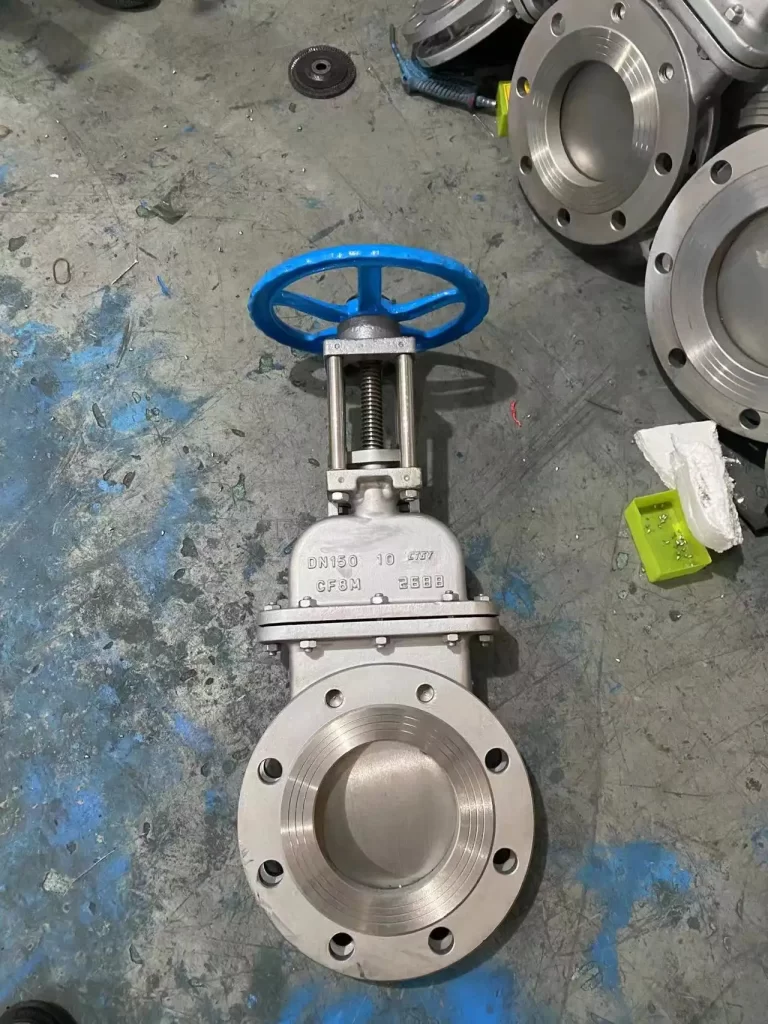
- Abrasive Slurries & Catalyst Reactor Bottoms: Severe-service metal-seated ball valves with Tungsten Carbide or Stellite coatings; heavy-duty slurry knife gate valves designed to shear through crystallized scaling.
- Emergency Shutdown (ESD) & Tank Farm Isolation: SIL-3 certified pneumatic actuated valves with fast-acting spring return (<1.0s closure) and ATEX / IECEx certified explosion-proof electric actuated control valves for Zone 1/2 hazardous areas.
- Exotic Alloys & Corrosion-Resistant Metallurgy: Cast and forged Hastelloy C-276, Monel 400, Titanium Gr. 2, Alloy 20, and Super Duplex 2507 fully compliant with NACE MR0175 / ISO 15156 sour service standards.
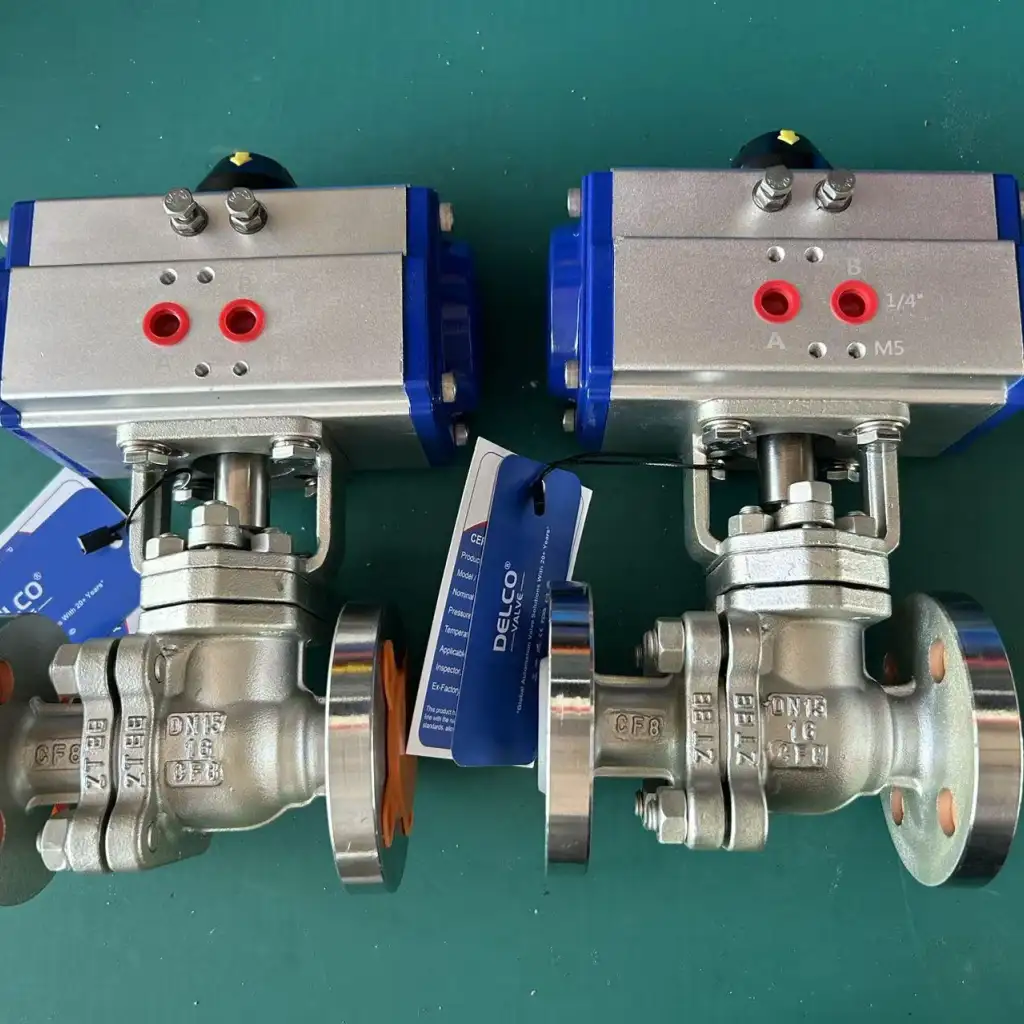
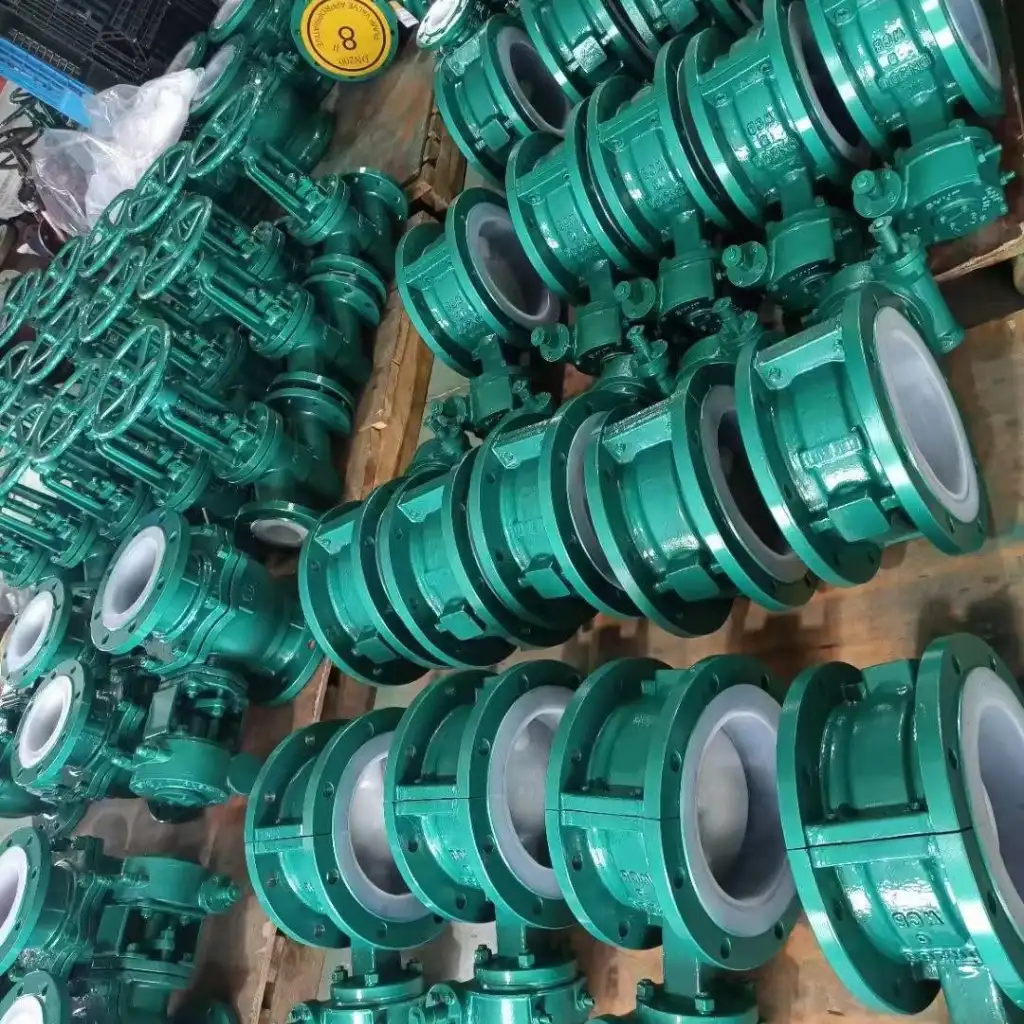
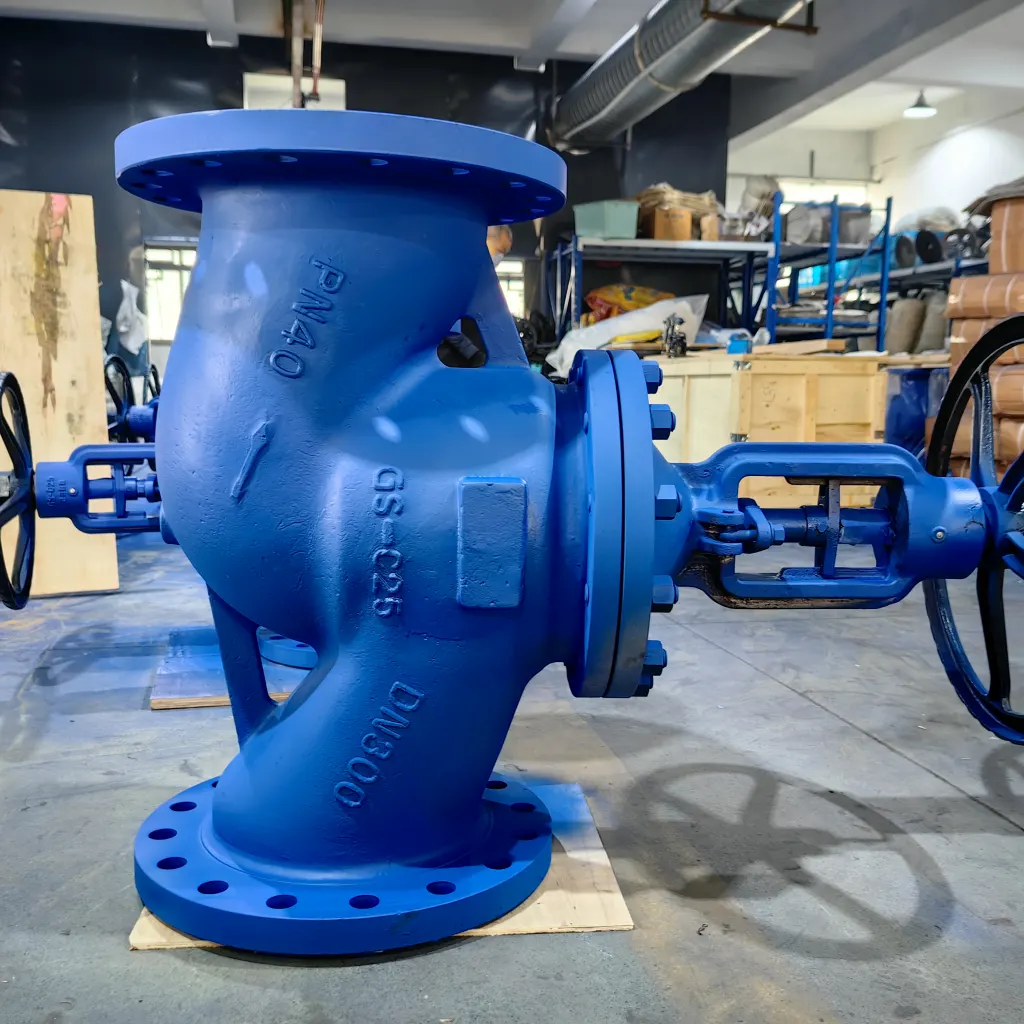
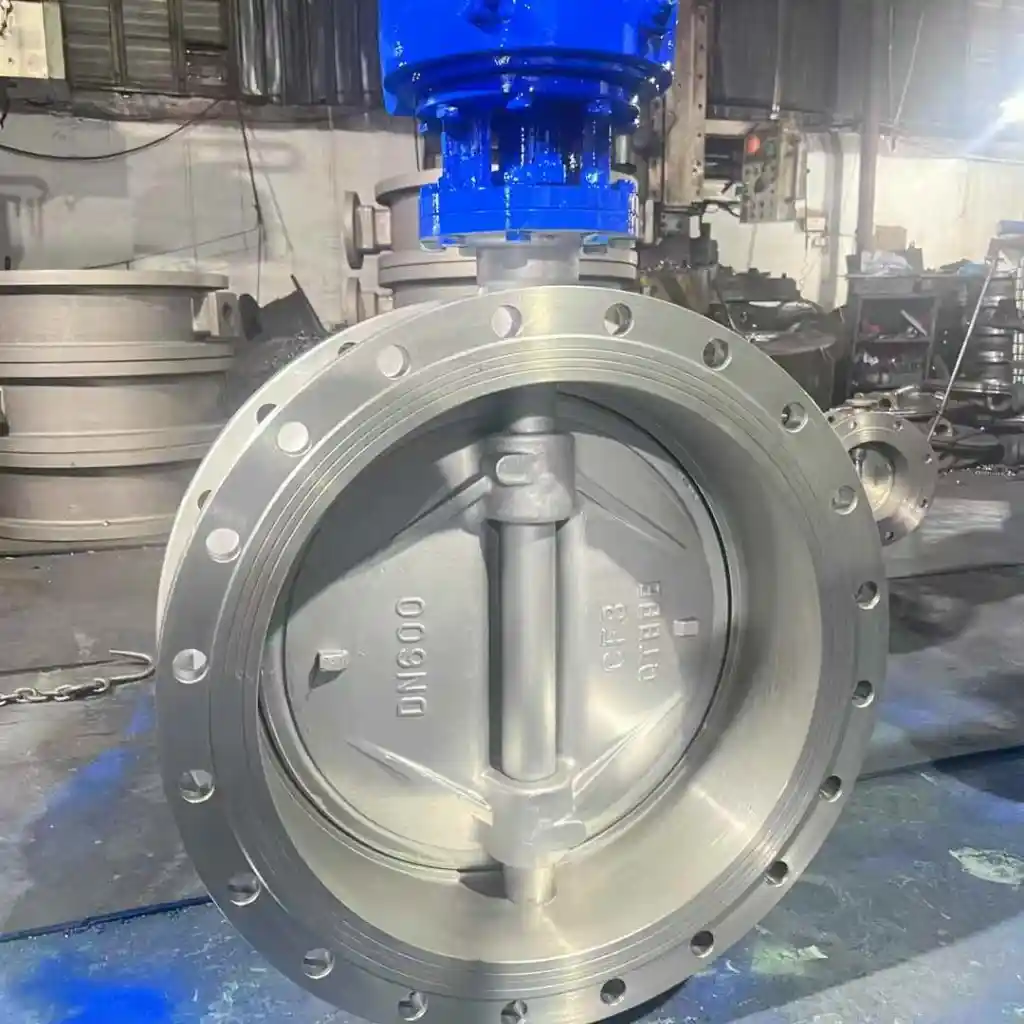
Master Selection Matrix: Chemical Process Loops vs. Valve Architectures
| Process Unit / Chemical Media | Operating Conditions | Primary Failure Mechanism | Recommended DELCO Valve Solution | Tightness Standard | Body & Lining / Trim Metallurgy |
|---|---|---|---|---|---|
| Hydrochloric & Sulfuric Acid Loops | Ambient to 150∘C Full vacuum to 16 bar | Chemical corrosion, liner collapse under negative pressure | PFA-lined ball valves PFA-lined butterfly valves | ISO 5208 Rate A (Bubble-Tight) | Ductile Iron / WCB Body + Virgin Melt-Processable PFA Lining |
| Lethal Toxic & Halogen Transfer (Wet Cl2Cl_2Cl2, Phosgene) | −40∘C to 120∘C Up to 25 bar | Stem fugitive emissions, packing blowout, atmospheric toxicity | Bellows-seal globe valves Low-emission ball valves | API 641 / API 624 (<100 ppm) | ASTM A351 CF8M / Hastelloy C + Multi-Ply Inconel Bellows |
| Polymerization Monomers (Styrene, Polyethylene) | 60∘C−220∘C Up to 40 bar | Media solidifies inside cavity, locking ball and tearing seats | Cavity-filled ball valves Metal-seated ball valves | FCI 70-2 Class V / Class VI | ASTM A351 CF8M / Alloy 20 + Virgin PTFE Cavity Filler / Stellite |
| Sour Gas & Hydrotreater Refining (H2SH_2SH2S, Wet Sour) | Up to 350∘C ASME Class 300–1500 | Sulfide Stress Cracking (SSC), hydrogen embrittlement | High-performance metal-seated ball valves | ISO 5208 Rate A / Class V | NACE MR0175 Compliant ASTM A216 WCB / 316SS (≤22 HRC) |
| Chemical Bulk Storage & Tank Farm Depots | Ambient PN16 / Class 150 | External fire hazard, VOC evaporation, actuator sparking | Fire-safe ball valves (API 607) Triple-offset butterfly valves | API 607 Fire-Tested Bubble-Tight | Cast Steel WCB / CF8M + Graphite Secondary Fire Seals |
| Acid Neutralization & Caustic Scrubber Lines | 40∘C−90∘C Dilute Acid/Alkali | Carbonate scaling, abrasive particulates, chemical attack | PTFE-lined butterfly valves Fluorine-lined plug valves | Bubble-Tight Isolation | Ductile Iron GGG40.3 + 3.0 mm Molded PTFE / PFA Liner |
Four Chemical Environments, Four Sets of Engineering Rules
Fluid inside a chemical manufacturing complex is never "just a liquid." It represents four distinct aggressive operating profiles:
- Severe Inorganic Acids & Alkalis: Extreme chemical attack (HCl,H2SO4,HF,NaOH); microscopic gas permeation; potential for vacuum collapse during tank emptying; requires virgin PFA/PTFE lining with zero pinholes.
- Lethal, Toxic & Volatile VOCs: Hazardous air pollutants (HAPs); strict LDAR environmental regulations; thermal cycling; requires dual-stem containment and certified low-fugitive packing.
- Polymerizing & Slurry Streams: Media that solidifies upon standing or changes phase during cooling; abrasive catalyst fines; requires zero-deadleg cavities and scraping seat geometry.
- Sour Petrochemical Refining (H2SH_2SH2S / Hydrocarbons): High temperature, high pressure, severe risk of sulfide stress cracking (SSC); requires strict NACE metallurgical hardness limits (≤22 HRC) and fire-safe integrity.
1. Aggressive Acid Processing & Halogen Transfer Skids
Strong acids attack standard stainless steels (304/316L) rapidly, often producing localized pitting or complete wall failure within weeks.
Recommended Configurations:
- Severe Corrosive Isolation: PFA-lined ball valves and fluorine-lined plug valves. PFA is melt-processed and molded directly through the valve bore. Its uniform, non-porous structure eliminates internal voids.
- Bulk Acid Distribution Lines (DN50–DN600): PTFE-lined butterfly valves featuring a two-piece split body design and silicone-energized elastomer backings that keep continuous elastic pressure against the disc sealing face.
- Corrosive Metering & Automation: Corrosion-resistant pneumatic diaphragm control valves with full PTFE linings and precision digital positioners for chemical batch dosing.
⚠️ What Goes Wrong in Acid Lines
- The "Vacuum Collapse" Catastrophe: When draining storage tanks, reactor drops, or condensation columns, fluid evacuation generates an internal vacuum. In poorly manufactured lined valves, the vacuum pulls the loose plastic liner away from the cast body shell, ballooning it inward and tearing it on the next stroke.
DELCO Valve Solution: All DELCO Valve PFA-lined ball valves and butterfly valves utilize cast-in Dovetail Anchoring Grooves (Machined T-Slots). The PFA is locked mechanically into the metal body casting, rated for full absolute vacuum (0 bar absolute) up to 150∘C. - Microscopic Gas Permeation: Small-molecule chemicals like wet chlorine gas (Cl2), hydrochloric acid (HCl), and hydrofluoric acid (HF) slowly diffuse through porous, cheap cold-molded PTFE, attacking the outer iron shell from behind.
DELCO Valve Solution: Specifying high-density, virgin fluoropolymers (PFA / modified PTFE) applied via high-pressure transfer molding with wall thickness ≥3.0 mm, verified by spark testing at 14−20 kV.
2. Lethal Chemical Transfer & Fugitive Emissions Control
Under modern environmental mandates (EPA regulations, European TA Luft, and plant-wide LDAR audits), industrial valves account for over 50% of plant fugitive VOC emissions. Leaking benzene, ethylene oxide, or chlorine presents severe personnel, legal, and explosion hazards.
Recommended Configurations:
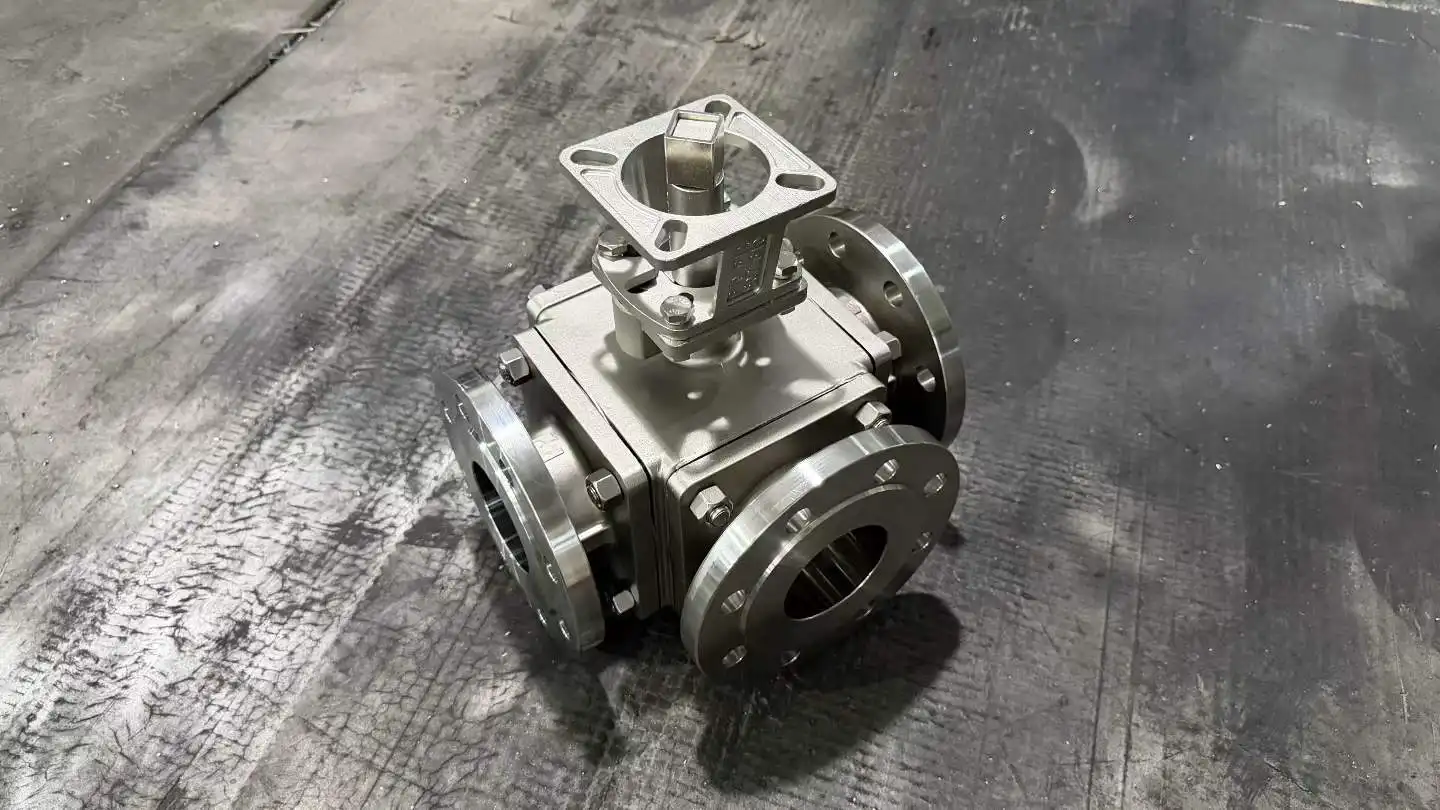
- Zero-Leakage Toxic Isolation: Bellows-seal globe valves. A hydroformed multi-ply Inconel or 316Ti stainless steel bellows provides a hermetically sealed barrier between the line media and atmosphere, backed by secondary graphite safety packing.
- Quarter-Turn Low-Emission Service: Low-emission ball valves and high-performance triple-offset butterfly valves tested and certified to API 641 and ISO 15848-1 Class AH/BH.
- Corrosive Automated Pilot Lines: Explosion-proof corrosion-resistant solenoid valves with pure PTFE bodies and isolated diaphragms.
⚠️ What Goes Wrong in Fugitive Emissions Control
- The Packing Overtorquing Dilemma: When standard graphite or PTFE packing weeps, maintenance technicians instinctively overtighten gland bolts. This crushes the packing, spikes actuator operating torque, and causes the stem to gall and seize during automatic modulation.
DELCO Valve Solution: DELCO Valve integrates Live-Loaded Gland Packing Systems. Precision-calculated Belleville disc spring stacks maintain constant, dynamic compressive stress on the V-ring chevron packing, compensating automatically for thermal cycling expansion and mechanical wear. - Fire Safety Sealing Failure: During a plant fire, soft PTFE/PFA seats disintegrate, allowing thousands of gallons of flammable hydrocarbon chemicals to feed the blaze.
DELCO Valve Solution: Certified fire-safe ball valves built to API 607 / ISO 10497 standards. When the primary soft seat burns away, the ball shifts downstream to seat against an integral secondary metal lip, providing metal-to-metal shutoff that contains flammable media.
3. Polymer, Resin & Slurry Service (Ethylene/Styrene Units)
In polymerization reactors (polyethylene, polypropylene, PVC, synthetic rubber), monomers easily migrate into the dead space between the valve body and ball. As the fluid cools or sits stagnant, it polymerizes into hard plastic, cementing the valve permanently shut.
Recommended Configurations:
- Monomer Isolation & Polymer Service: Cavity-filled ball valves. The internal void between the ball, body, and stem is completely filled with machined virgin PTFE or reinforced cavity filler seats, leaving zero volume where monomer liquid can stagnate and solidify.
- Abrasive Catalyst & Slurry Isolation: Metal-seated ball valves equipped with sharp, spring-energized scraping seat rings that shear away hardened polymer film off the ball surface on every quarter-turn stroke.
- Dry Powder & Extruder Dump Lines: Bi-directional slurry knife gate valves and ceramic-lined ball valves capable of handling abrasive polymer pellets without seat galling.
⚠️ What Goes Wrong in Polymer Units
- The "Monomer Infiltration" Seizure: Installing a standard floating ball valve on a styrene line. Liquid monomer enters the body cavity behind the seats. Within three weeks, the monomer polymerizes into solid polystyrene, swelling and locking the ball stem.
DELCO Valve Solution: Mandate cavity-filled ball valves with mirror-polished (Ra<0.2μm) hard-chrome or tungsten-carbide coated balls and purge port body taps to flush the cavity.
4. Tank Farm Storage, Blending & Emergency Shutdown (ESD)
Tank farms, marine loading terminals, and blending skids require high volumetric flow rates, certified fire safety, and failsafe automated actuation for overfill and emergency trip scenarios.
Recommended Configurations:
- Tank Overfill & Emergency Trip Isolation: High-integrity pneumatic actuated valves featuring heavy-duty scotch-yoke or rack-and-pinion actuators with mechanical spring return for fail-closed (FC) action in <1.0s.
- Tank Header & Manifold Isolation: High-performance double-offset butterfly valves and fire-safe metal-seated ball valves equipped with ATEX / IECEx explosion-proof electric actuated control valves.
- Unloading Pump Backflow Protection: Fast-responding dual-plate check valves and non-clogging ball check valves.
Failure Analysis: 4 Severe Chemical Valve Failure Modes & Engineered Fixes
| Failure Mechanism | Affected Chemical Media | Root Mechanical Cause | Conventional (Flawed) Approach | DELCO Valve Engineered Solution |
|---|---|---|---|---|
| Liner Vacuum Collapse | Hot HCl, spent acids, vacuum reactor drains | Fluid condensation or tank evacuation generates internal vacuum; unanchored liner pulls inward. | Using thicker loose-sleeve PTFE liners that still detach under full vacuum. | DELCO Valve PFA-lined ball valves with cast-in dovetail anchoring slots locking the lining mechanically to the metal body. |
| Small-Molecule Permeation | Wet chlorine (Cl2), hydrofluoric acid (HF), nitric acid | Gas molecules migrate through microscopic voids in sintered PTFE, corroding the outer iron casting. | Applying paint to the external iron casting; ignoring underlying shell thinning. | Virgin high-density PFA high-pressure transfer molding (≥3.0 mm thick) with spark testing verification. |
| Monomer Polymer Jamming | Styrene, butadiene, acrylic acid, ethylene | Stagnant fluid in the body cavity polymerizes, expanding and seizing the closure mechanism. | Sizing massive actuators to force open jammed valves, resulting in twisted stems. | Cavity-filled ball valves with full PTFE body fillers or metal-seated ball valves with dynamic scraping seats. |
| Packing VOC Fugitive Leaks | Benzene, toluene, flammable VOC hydrocarbons | Thermal expansion and contraction causes conventional packing rings to relax. | Repeatedly tightening gland bolts until the packing crushes and the stem galls. | API 641 / API 624 certified live-loaded packing assemblies with Belleville springs providing continuous mechanical pre-load. |
Quality Assurance, Metallurgy & Lined Valve Testing Standards
In severe chemical service, valve longevity and plant safety are governed by certified metallurgy, lining spark integrity, and non-destructive testing (NDT):
Chemical Compatibility & Temperature Hierarchy
| Material Grade / Polymer | Maximum Operating Temperature | Chemical Resistance Strengths | Severe Chemical Limitations | Common Chemical Applications |
|---|---|---|---|---|
| Virgin PFA (Melt Processable) | −50∘C to 200∘C (392∘F) | Nearly universal chemical resistance; zero porosity; high vacuum proof | Molten alkali metals, elemental fluorine at elevated temperature | Hydrochloric acid, wet chlorine, sulfuric acid, waste acid skids |
| PTFE (Polytetrafluoroethylene) | −50∘C to 180∘C (356∘F) | Excellent chemical inertness; ultra-low friction coefficient | Prone to cold-flow creep under high load; micro-porous to gases | Valve seats, gaskets, lined butterfly valve body sleeves |
| Hastelloy C-276 (UNS N10276) | −196∘C to 400∘C (752∘F) | Extreme resistance to wet chlorine, hypochlorite, and ferric chloride | Poor in highly concentrated nitric acid | Bleaching plants, sour gas stripping, flue gas scrubbers |
| Alloy 20 (Carpenter 20 / CN7M) | Ambient to 300∘C (572∘F) | Specifically formulated to resist sulfuric acid attack and stress corrosion | Vulnerable to hydrochloric and hydrofluoric acids | Sulfuric acid pickling lines, alkylation units, fertilizer production |
| Titanium Gr. 2 / Gr. 5 | Ambient to 250∘C (482∘F) | Unmatched resistance to wet chlorine gas and high-chloride brine | CATSTROPHIC DANGER: Ignites in dry chlorine gas (<0.5% H2O) | Chlor-alkali electrolysis, seawater cooling, bleach manufacturing |
High-Voltage Holiday Testing & Lining Quality Assurance
- 100% Spark Testing (ASTM F1545): Every single DELCO Valve lined valve body, ball, and plug undergoes high-voltage non-destructive spark testing at 14,000 to 20,000 Volts to detect any micro-void, pinhole, or lining imperfection.
- Hydrostatic Shell & Seat Testing (API 598 / ISO 5208): High-pressure shell test at 1.5× design pressure, with bubble-tight shutoff (Rate A zero-leakage) verified on all lined and soft-seated valves.
- NACE MR0175 / ISO 15156 Sour Service Compliance: Base metals and trims undergo vacuum heat treatment to maintain hardness ≤22 HRC, eliminating the risk of Sulfide Stress Cracking (SSC).
- Degreasing & Cleanliness Verification (ASTM G93 / CGA G-4.1): Valves designated for oxygen, chlorine, or high-purity services are degreased via ultrasonic multi-stage baths, dried with inert nitrogen, and inspected under ultraviolet (black) light for hydrocarbon traces.
Low-Emission Standards: Understanding Fugitive Emissions Certification
Chemical processing facilities operating under stringent environmental permits must select valve packages tested to recognized fugitive emissions standards:
| Emission Standard | Valve Motion Type Covered | Test Fluid Used | Testing Mechanical & Thermal Cycles | Maximum Allowable Stem Leakage |
|---|---|---|---|---|
| API 641 | Quarter-Turn Valves (Ball & Butterfly Valves) | Methane (CH4) | 610 mechanical cycles with 3 thermal cycles (ambient to 260∘C) | ≤100 ppmv leakage without gland packing adjustment |
| API 624 | Linear Rising-Stem Valves (Globe & Gate Valves) | Methane (CH4) | 310 mechanical cycles with 3 thermal cycles (ambient to 260∘C) | ≤100 ppmv leakage without gland packing adjustment |
| ISO 15848-1 | All Industrial Valves (Linear & Quarter-Turn) | Helium (He) or Methane (CH4) | Endurance classes from 500 to 100,000 mechanical cycles across temperature classes | Class AH: ≤10−5 mg⋅s−1⋅m−1 Class BH: ≤10−4 mg⋅s−1⋅m−1 |
| TA Luft (VDI 2440) | All Process Plant Valves (German Standard) | Helium (He) | Specific mechanical cycling based on valve design and test temperature | Temperature-dependent leak limits verified via sniffing / hood test |
Dedicated Support for Chemical EPC Contractors & Plant MRO
If you are an EPC engineering contractor preparing a petrochemical tender, an instrumentation engineer automating a pilot plant, or a plant reliability superintendent planning a shutdown, DELCO Valve acts as your technical back-office:
- Fast Technical Submittals (12–24h Turnaround): Receive unbranded or co-branded CAD dimensional submittal drawings, valve sizing calculations (Cv/Kv), wiring schematics, and chemical compatibility datasheets ready for direct submission to your project consultant.
- Complete Material & Safety Certification: Every shipment is backed by EN 10204 3.1 Material Test Reports (MTRs), Positive Material Identification (PMI) logs, high-voltage spark testing certificates, and ATEX/SIL documentation.
- Single-Source Tested Actuation Packages: We assemble, mount, calibrate, and bench-test pneumatic actuated valves and explosion-proof electric actuated control valves in-house. You receive a fully warranted, pre-configured package—eliminating on-site actuator mounting headaches.
- Strict Channel & Project Protection: We protect our EPC partners and regional distributors. Project registration ensures DELCO Valve will never bypass your company to quote directly to your designated end-user. Neutral packaging, stainless steel tag plates, and private-label OEM branding are standard services.
Actuation Selection for Hazardous Chemical Environments
Chemical plants are hazardous environments classified under ATEX / IECEx Zone 1/2 or NEC Class I Div 1/2. Actuator packages must be explosion-proof, chemically resistant, and fail-safe:
- Fast Emergency Shutdown (ESD): Specify pneumatic actuated valves with epoxy-coated anodized aluminum or stainless steel bodies. Configured with fast-exhaust valves and mechanical spring returns, they achieve emergency trip closure (<1.0s) during power failure.
- Fine Modulation & Reactor Feeding: Specify intelligent electric actuated control valves with Ex d IIB/IIC T4 explosion-proof enclosures, non-intrusive setup, ±0.5% modulating accuracy, and Modbus/HART digital communication.
- Corrosive External Atmospheres: Where plant atmospheres contain airborne acid mist or hydrogen sulfide vapors, specify 316 stainless steel actuator housings, fluoropolymer exterior coatings, and stainless steel solenoid valves.
How to Get an Engineering Quotation in 12 to 24 Hours
To receive an exact technical proposal, chemical compatibility verification, and commercial pricing without clarification delays, copy and send this 7-parameter chemical checklist:
CHEMICAL VALVE RFQ CHECKLIST
- Application Point & Unit: [e.g., Acid Dilution Skid, Monomer Reactor Feed, Tank Farm ESD, Chlorine Header]
- Chemical Media & Concentration: [e.g., Hydrochloric Acid 35%, Wet Chlorine Gas, Styrene Monomer, Benzene VOC]
- Design & Operating Envelope:
- Operating Pressure (P1) / Minimum Pressure (Is there a vacuum?): [bar, psi, or bar absolute]
- Operating Temperature Range: [∘C or ∘F]
- Pressure Drop (ΔP) for control valves: [bar or psi]
- Nominal Size & Pressure Class: [DN (mm) or NPS (Inches) | PN10, PN16, PN40, Class 150, Class 300, Class 600]
- Body, Lining & Trim Specification: [Ductile Iron + PFA Lined, CF8M Stainless, Hastelloy C-276, Alloy 20, Titanium]
- Certification & Testing Mandates: [API 641 Low Emissions, API 607 Fire-Safe, 14kV Spark Test, NACE MR0175]
- Actuation Platform: [Manual Lever / Gearbox / Pneumatic (Fail-Closed/Open) / Explosion-Proof Electric (ATEX/IECEx)]
Example Tender Enquiry:
Hydrochloric Acid Storage Tank Bottom Drain, 35% HCl with trace organics, 3” (DN80), ASME Class 150, Design Temp 80°C, Operating Pressure 4.0 bar to Full Vacuum (-1.0 bar gauge), Ductile Iron Body with 3.0 mm PFA Lining (Dovetail Anchored), PFA-encapsulated ball, PTFE seats, Flanged ASME B16.5, equipped with ATEX Ex d IICT4 IP67 pneumatic spring-return actuator (air-to-open, fail-closed in <1.5s).
Send your schedule to our engineering sales team at inquiry@delcofluid.com, and DELCO Valve will return matched model codes, dimension drawings, and commercial pricing within 12 to 24 hours.
Frequently Asked Questions
PTFE is a non-melt processable polymer formed by cold-pressing and sintering, which can leave microscopic porosity and makes mechanical anchoring difficult. Under full vacuum or high temperatures, standard PTFE liners can collapse and detach from the metal body. PFA (Perfluoroalkoxy) is melt-processable, allowing it to be injection-molded under high pressure directly into machined dovetail body grooves. This mechanical lock ensures that DELCO Valve PFA-lined ball valves withstand full vacuum (0 bar absolute) without liner separation.
Both standards mandate an extremely tight leakage threshold of <100 ppmv using methane test gas without adjusting the packing gland. However, API 641 applies specifically to quarter-turn valves (such as ball valves and butterfly valves), subjecting the valve to 610 mechanical cycles and 3 thermal cycles. API 624 applies exclusively to linear rising-stem valves (such as gate and globe valves), subjecting them to 310 mechanical cycles across 3 thermal cycles.
PFA-lined ball valves are the most cost-effective choice for strong acids up to 150∘C−180∘C and pressures up to Class 150. However, exotic alloys like Hastelloy C-276, Titanium, or Alloy 20 become mandatory when process conditions involve: (1) Temperatures exceeding 200∘C; (2) Pressures above ASME Class 300; (3) Highly abrasive solid catalyst particles that would mechanically tear a fluoropolymer lining; or (4) Critical fire-safe installations where soft polymer shells represent an intolerable hazard.
Standard ball valves feature an internal annular space between the ball, body casting, and seat rings. Liquid monomers (such as styrene, butadiene, or vinyl chloride) enter this cavity during operation and undergo thermal polymerization into hard plastic. Over time, the expanding solid resin pinches the ball and seizes the valve stem. A cavity-filled ball valve utilizes precision-machined virgin PTFE fillers that occupy the entire body volume, leaving zero deadleg space for monomer accumulation.
Ready to Quote Your Chemical Project with DELCO Valve?
Whether you are preparing an EPC tender for a major petrochemical expansion, upgrading corrosive acid dosing lines, or retrofitting toxic service valves for environmental compliance, DELCO Valve delivers certified severe-service valve assemblies on time and within budget.
- Submit Your RFQ / Equipment List: Send your process datasheets or 7-parameter checklist to our engineering team for a 12–24h technical turnaround.
- Explore Our Complete Process Line: Discover our full portfolio across PFA-lined ball valves, bellows-seal globe valves, low-emission ball valves, triple-offset butterfly valves, and explosion-proof actuation packages.
- Distributor & EPC Inquiries: Contact our international channel team to request our unbranded submittal library, complete product catalogues, and project registration terms.