



Self-Operated Control Valves
DELCO Self-Operated Control Valves regulate pressure, flow, or temperature automatically without external power. These self-acting regulators utilize the energy of the medium itself, offering an energy-efficient solution for pressure reduction and stabilization.


-
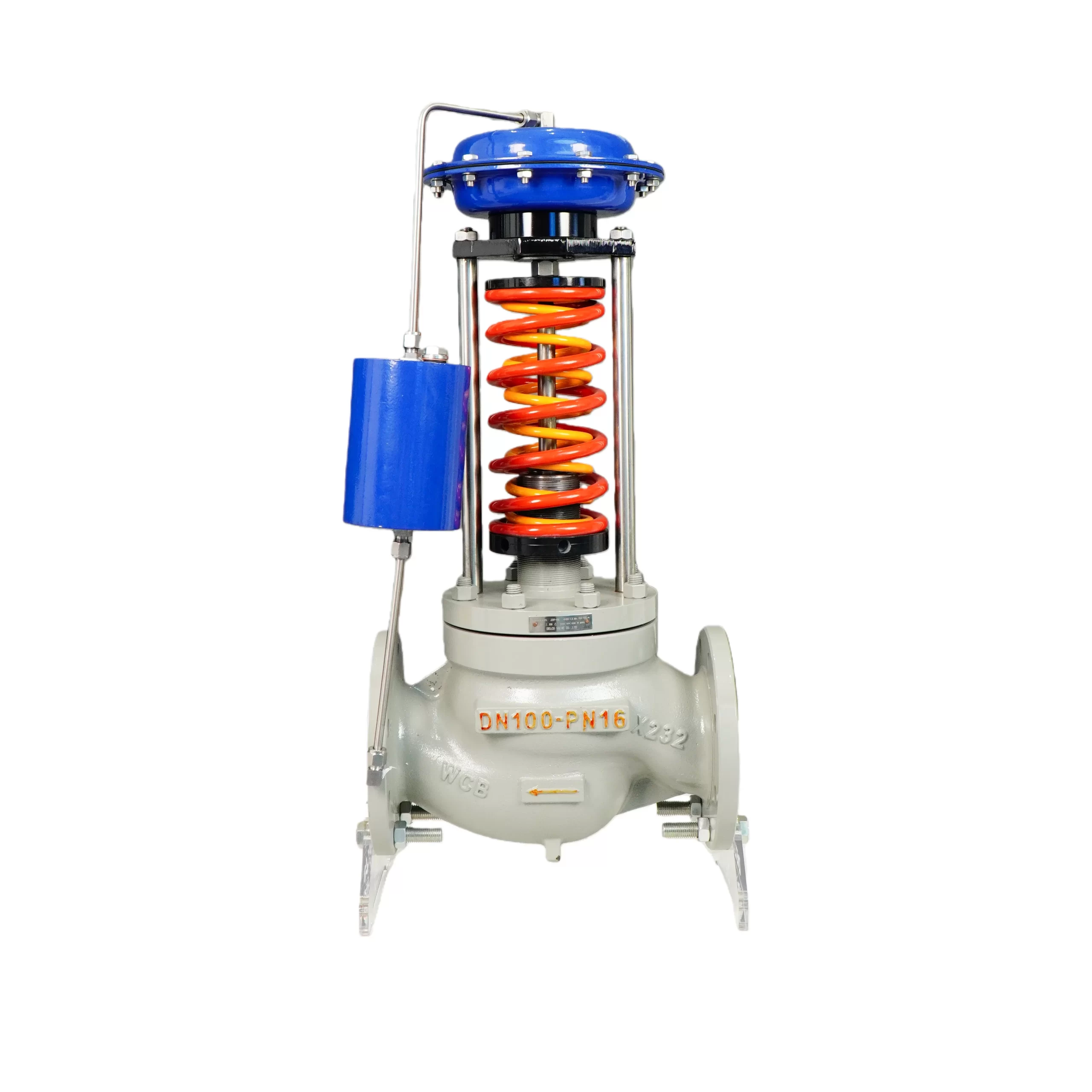
DELCO ZZYPP Self-operated Pressure Control Valve - No External Energy, Pressure Reducing / Relieving
 Size Range: DN15-DN600
Material: WCB,Stainless Steel etc.
Connection Standard: GB/ANSI/JIS/DIN
-
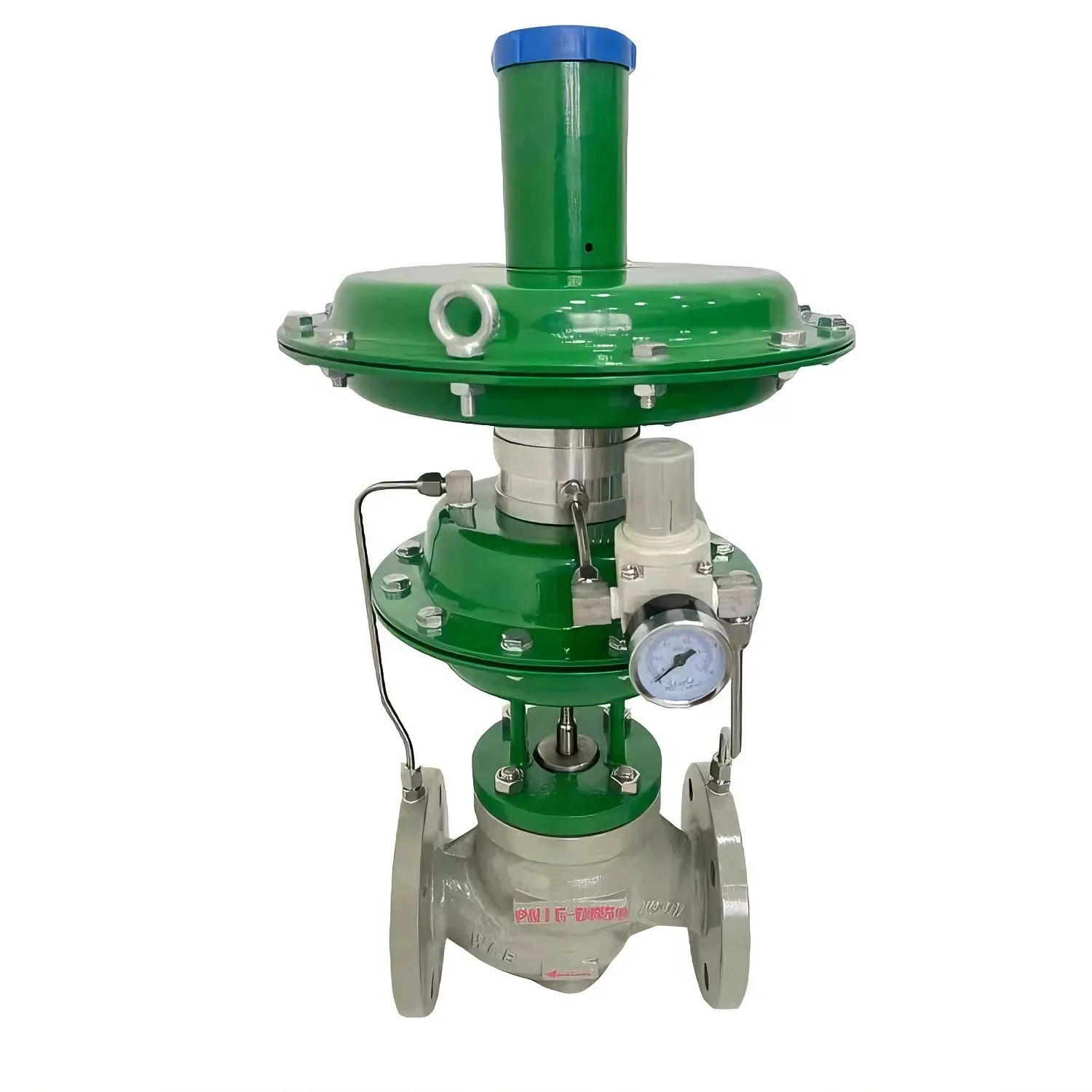
DELCO ZZYVP-16 Self-operated Nitrogen Seal Valve - Commander Type (Pilot), Tank Blanketing
Size Range: DN40-DN1200
Material:Cast Iron, WCB, SS304/316 etc.
Connection Standard: GB / ANSI / JIS / DIN
-
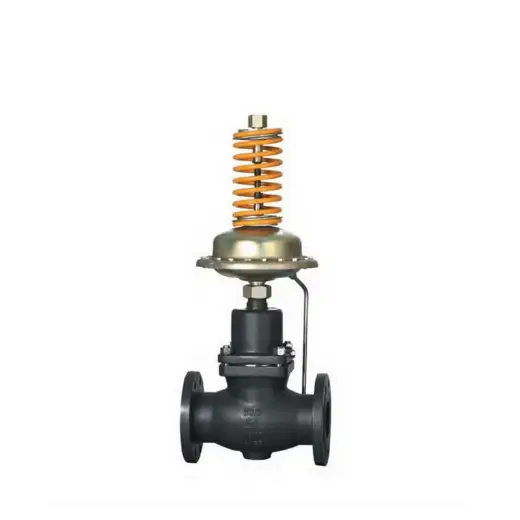
Self-Operated Pressure Regulating Valve for Industrial Process Control and Utilities
Size Range: DN15-DN600
Material: WCB,Stainless Steel etc.
Connection Standard: GB/ANSI/JIS/DIN
Self-Operated Control Valve: Autonomous Energy-Independent Pressure Regulation
Engineered for fuel gas supply skids, industrial steam distribution headers, remote pipeline tie-ins, and storage tank nitrogen blanketing systems where auxiliary compressed air or electrical power is absent, the Delco self-operated globe control valve series provides self-contained, autonomous process regulation. Operating purely on the energy of the flowing process media, these direct-acting and pilot-assisted valves translate pipeline pressure fluctuations through an impulse line to an oversized rolling diaphragm or piston actuator, maintaining steady setpoints across ASME Class 150 to Class 600 systems.
Technical Merits: Autonomous Self-Regulating Engineering
Functions entirely without electricity, instrument air, solenoids, or external positioners, ensuring continuous pressure stabilization even during catastrophic plant blackout events.
Integrated hydroformed metal bellows or balanced diaphragm neutralizes upstream pressure fluctuations, preventing inlet surges from shifting calibrated downstream setpoints.
Features oversized rolling rubber diaphragm chambers up to 400 mm in diameter, providing high setpoint sensitivity down to 0.5 kPa (5 mbar) for chemical tank blanketing.
For saturated and superheated steam lines up to 350°C, an external water seal condensation pot cools steam into water before reaching the elastomeric actuator diaphragm.
High-tensile silicon-chrome range springs allow manual setpoint adjustment in the field simply by turning an external adjustment spanner without disassembling the valve.
Available with precision PTFE, FKM, or NBR soft-seated inserts providing bubble-tight shutoff during zero-flow dead-end conditions to prevent downstream pressure buildup.
Technical Specifications Matrix
| Parameter | Pressure Reducing | Backpressure Relief | Nitrogen Blanketing | Differential Pressure |
|---|---|---|---|---|
| Nominal Size Range | DN15 – DN250 (1/2" – 10") | DN15 – DN250 (1/2" – 10") | DN20 – DN100 (3/4" – 4") | DN15 – DN200 (1/2" – 8") |
| Pressure Classes | Class 150 – 600 (PN16 – PN100) | Class 150 – 600 (PN16 – PN100) | Class 150 (PN16) | Class 150 – 300 (PN16 – PN40) |
| Body Construction | WCB, CF8M, Ductile Iron GGG40.3 | WCB, CF8M, CF3M | ASTM A351 CF8M (316 SS) / WCB | WCB, CF8M, Ductile Iron |
| Pressure Control Span | 10 kPa – 2.5 MPa (Multiple Springs) | 10 kPa – 2.5 MPa | 0.5 kPa – 50 kPa (5 – 500 mbar) | 10 kPa – 1.0 MPa (ΔP) |
| Actuator Mechanism | Rolling Diaphragm (Low P) / Piston (High P) | Rolling Diaphragm / Piston | Oversized Ultra-Thin Diaphragm | Dual-Chamber Balanced Diaphragm |
| Seat Leakage Class | ANSI/FCI 70-2 Class IV (Metal) / VI (Soft) | Class IV / Class VI | Class VI (Zero-Bubble Tight) | Class IV / Class VI |
| Operating Temp Range | -20°C to +350°C (With Condensate Pot) | -20°C to +350°C | -30°C to +120°C (-22°F to 248°F) | -20°C to +250°C (-4°F to 482°F) |
| Power Requirements | Zero External Utilities (100% process media energy actuated via SS316 impulse sensing pipe) | |||
| End Connection Styles | Raised Face Flanged (ASME B16.5 Class 150/300/600, EN 1092-1 PN16/PN40), Threaded NPT (DN15–DN50) | |||
Frequently Asked Questions: Self-Operated Control Valves
Q1: How does a Self-Operated Pressure Reducing Valve differ from a Backpressure Valve?
The difference lies in which side of the valve is sensed and how the plug opens. A Pressure Reducing Valve takes its impulse line from downstream of the valve; when downstream pressure rises above the setpoint, the plug moves toward the seat to throttle flow. A Backpressure / Relief Valve takes its impulse from upstream of the valve; when upstream pressure exceeds the setpoint, the plug opens to vent excess pressure, maintaining a constant upstream pressure.
Q2: Why is a condensation pot mandatory on high-temperature steam lines?
Actuator diaphragms are molded from elastomeric materials (EPDM or FKM) with continuous temperature thresholds below 130°C. In steam service exceeding 150°C, an external condensation pot is mounted higher than the actuator. Steam condenses into water inside the pot, transmitting hydraulic pressure through a liquid seal that completely shields the rubber diaphragm from live steam heat.
Q3: How do nitrogen blanketing valves protect atmospheric chemical storage tanks?
When liquid is pumped out of a tank or ambient temperature drops at night, a vacuum forms inside the vapor space that could implode the tank. Delco’s nitrogen blanketing valve senses micro-vacuum levels (down to 0.5 kPa) and instantly injects inert nitrogen gas. Once the preset positive blanket pressure is restored, the soft-seated plug snaps closed, preventing costly nitrogen waste and stopping air ingress.
Q4: What causes setpoint "droop" in direct-acting regulators and how does Delco minimize it?
Setpoint "droop" is the natural proportional offset in direct-acting mechanical regulators where downstream pressure decreases slightly as flow demand increases. Delco minimizes droop by incorporating frictionless rolling diaphragms with high effective surface areas, multi-spring cartridges with low spring rates, and balanced bellows trims that prevent inlet pressure variations from destabilizing setpoint control.
Direct Factory Supply: Autonomous Self-Operated Control Valves
Delco manufactures self-operated pressure regulators and nitrogen blanketing valves. 100% factory setpoint calibrated, hydro-tested, and delivered with impulse sensing hardware and condensation pots for immediate, power-free field operation.