



 Home /
 Gate Valve vs Globe Valve: How to Choose the Right Pipeline Valve

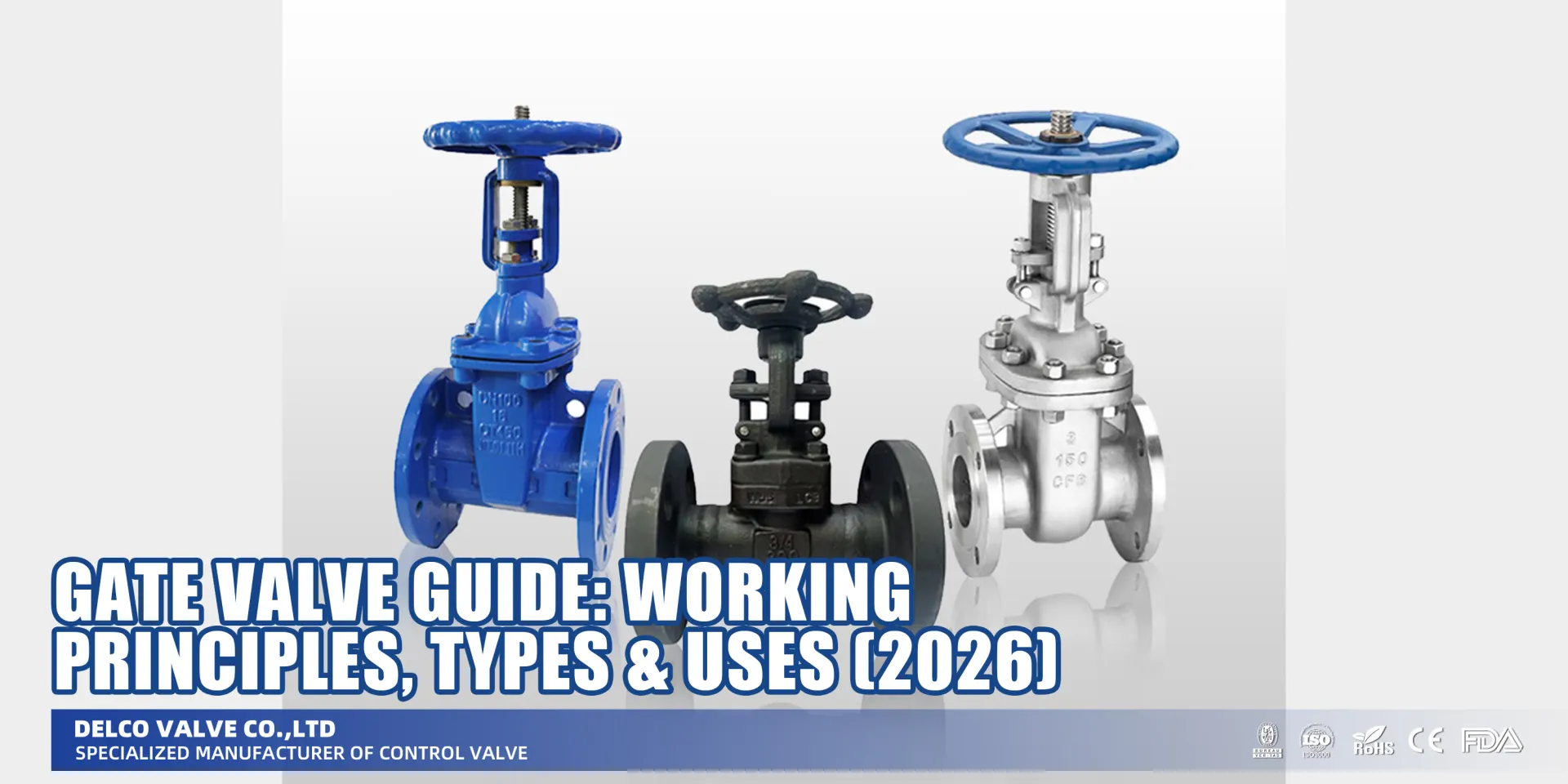
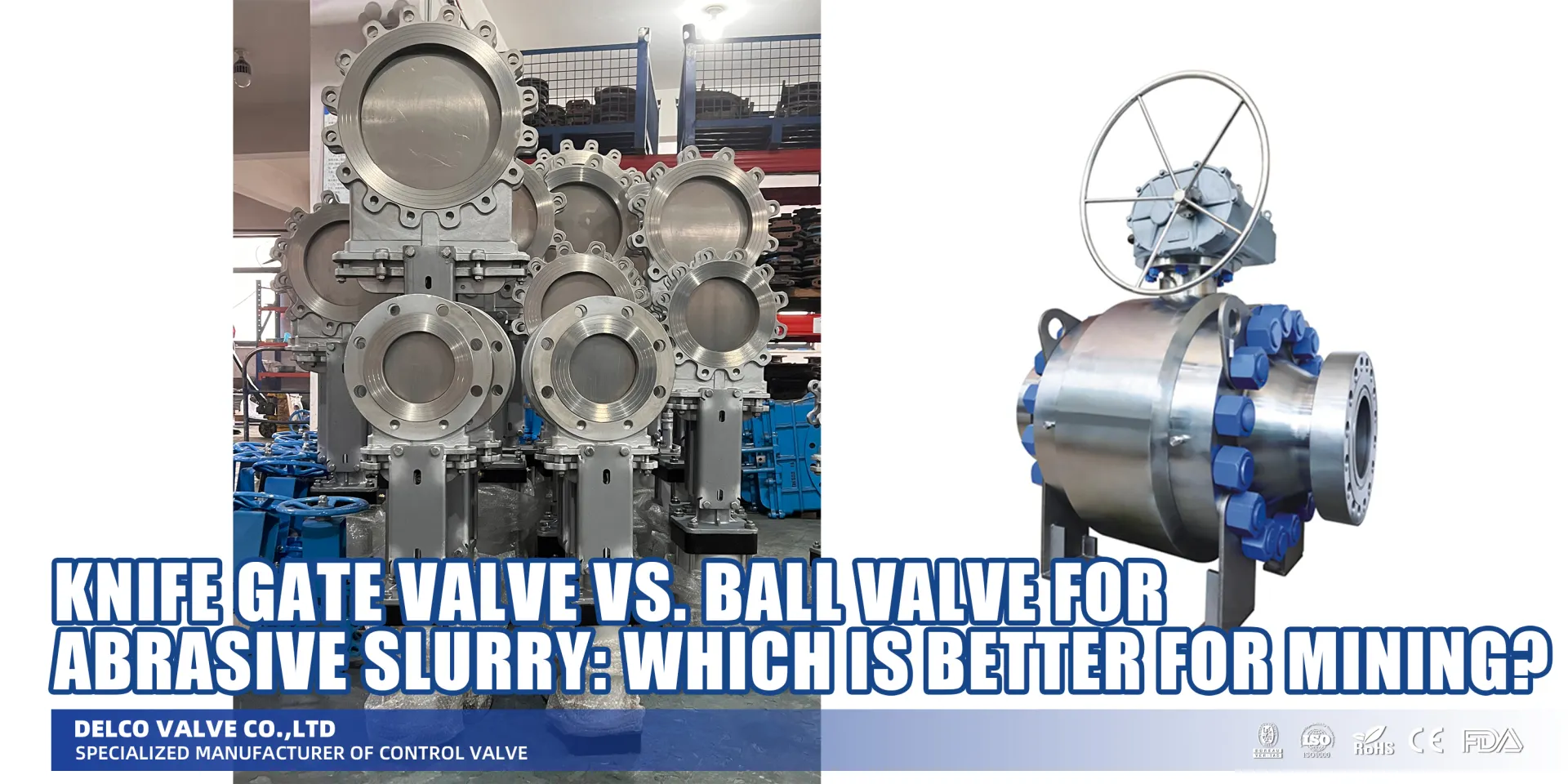
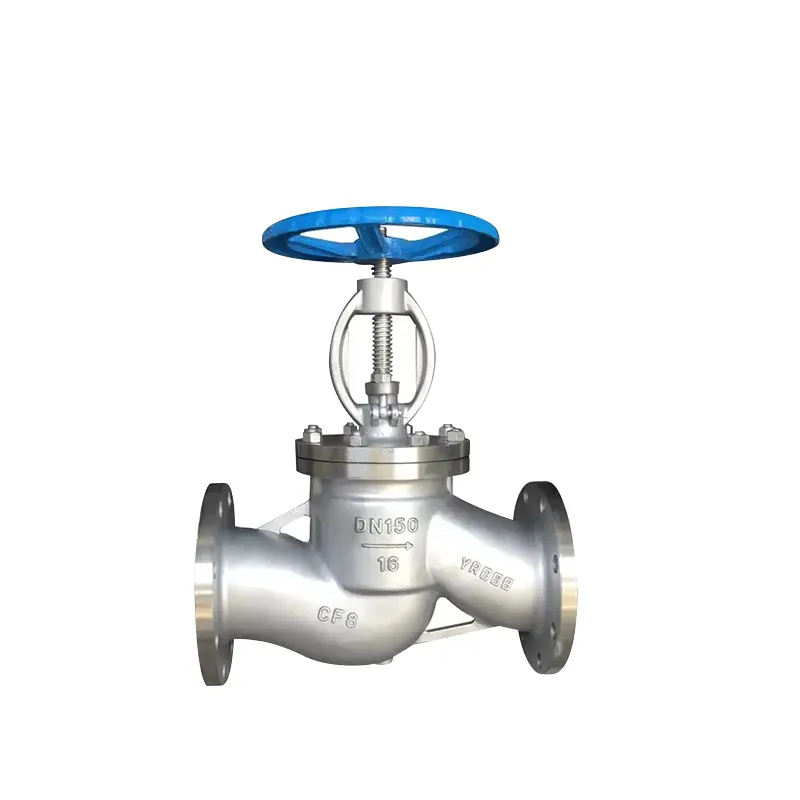
When designing or maintaining a piping system, choosing between a gate valve and a globe valve is a critical decision that directly affects fluid dynamics, system efficiency, and operational costs. Although both are linear motion valves, they are designed for fundamentally different functions.
Key Takeaway for Valve Selection:
Choose a Gate Valve when your pipeline requires reliable fluid isolation (on/off service) with minimal pressure drop and maximum flow efficiency. Gate valves should operate only in the fully open or fully closed position.
Choose a Globe Valve when your application requires accurate flow regulation, throttling, or frequent operation, and a higher pressure drop can be accepted.
What Is a Gate Valve?
Definition and Working Principle
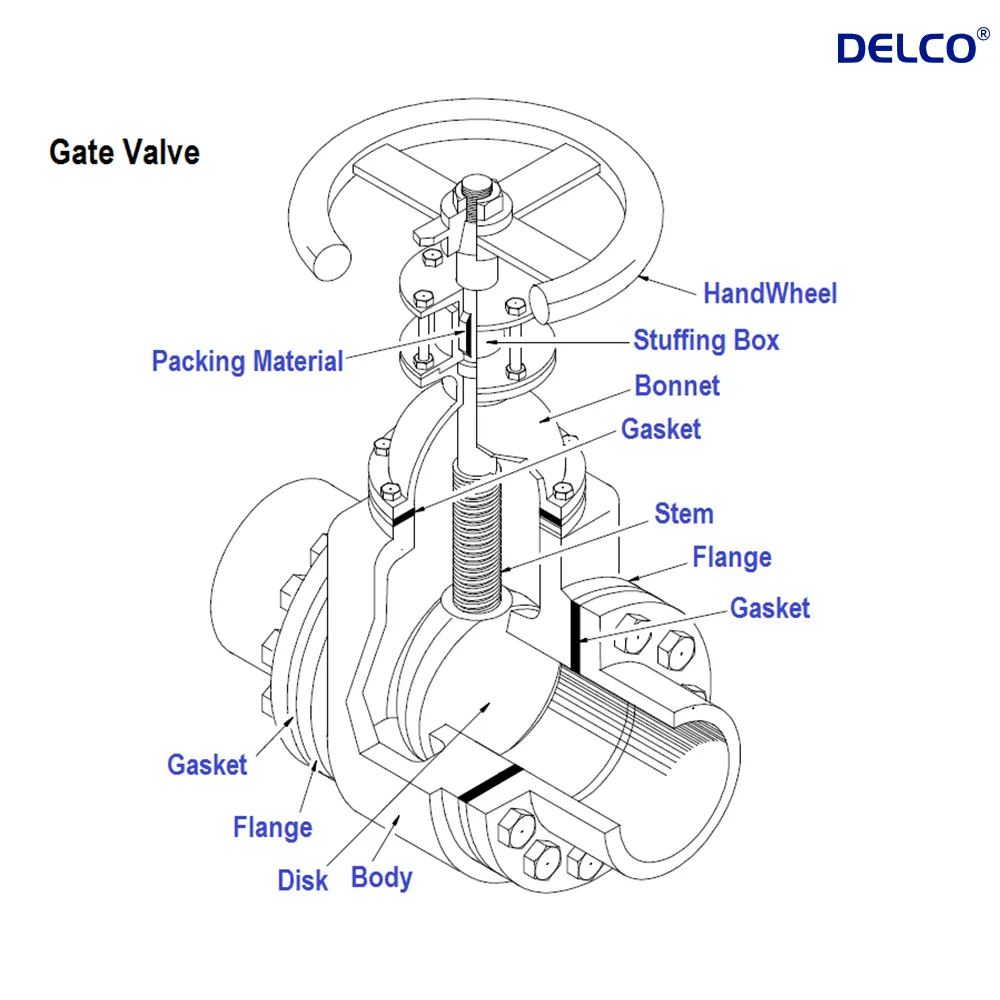
A gate valve is a linear-motion shutoff valve designed primarily for on/off fluid isolation in industrial piping systems. It uses a flat or wedge-shaped gate that moves vertically to open or close the flow path:
- Open position: The gate is fully lifted out of the flow, creating a nearly straight-through, full-bore passage with minimal pressure drop and low fluid resistance.
- Closed position: The gate is pressed tightly into the seats, providing strong bi-directional sealing and dependable isolation.
Because of this design, gate valves are ideal where you need full flow or full shutoff, not fine flow regulation or throttling.
Key Components and Structure (OS&Y vs. Non-Rising Stem)
A quality gate valve is defined by a robust body, bonnet, stem, gate (disc), seats, and packing system. In U.S. industrial applications, stem design is critical:
- OS&Y (Outside Screw & Yoke / Rising Stem):
- The stem moves up and down outside the valve body, clearly showing valve position.
- Easier to inspect and maintain packing.
- Preferred for refineries, power plants, and critical isolation where visual position indication and safety are priorities.
- Non-Rising Stem:
- The stem rotates in place while the gate moves internally.
- More compact, ideal where installation space is limited or underground.
- Common in municipal water systems and buried pipelines.
Both types are built to handle demanding pressure, temperature, and fluid dynamics conditions when properly specified.
Common Applications in Heavy Industries
In the U.S. market, gate valves are the workhorse for heavy-duty isolation across multiple sectors, especially where high flow rates and low pressure drop are essential:
- Oil & Gas: Crude oil lines, transmission pipelines, tank farm manifolds.
- Petrochemical & Refining: Process headers, unit block valves, emergency isolation.
- Power & Boiler Systems: Main steam lines, feedwater lines, and auxiliary systems where a full-open, low-resistance path is critical.
- Water & Wastewater: Large-diameter lines, treatment plants, and distribution mains.
When we engineer and supply gate valves, we focus on durable sealing mechanisms, proven wear resistance, and long service life, ensuring reliable operation across the most demanding industrial piping systems in the United States.
What Is a Globe Valve?
Definition and Working Principle
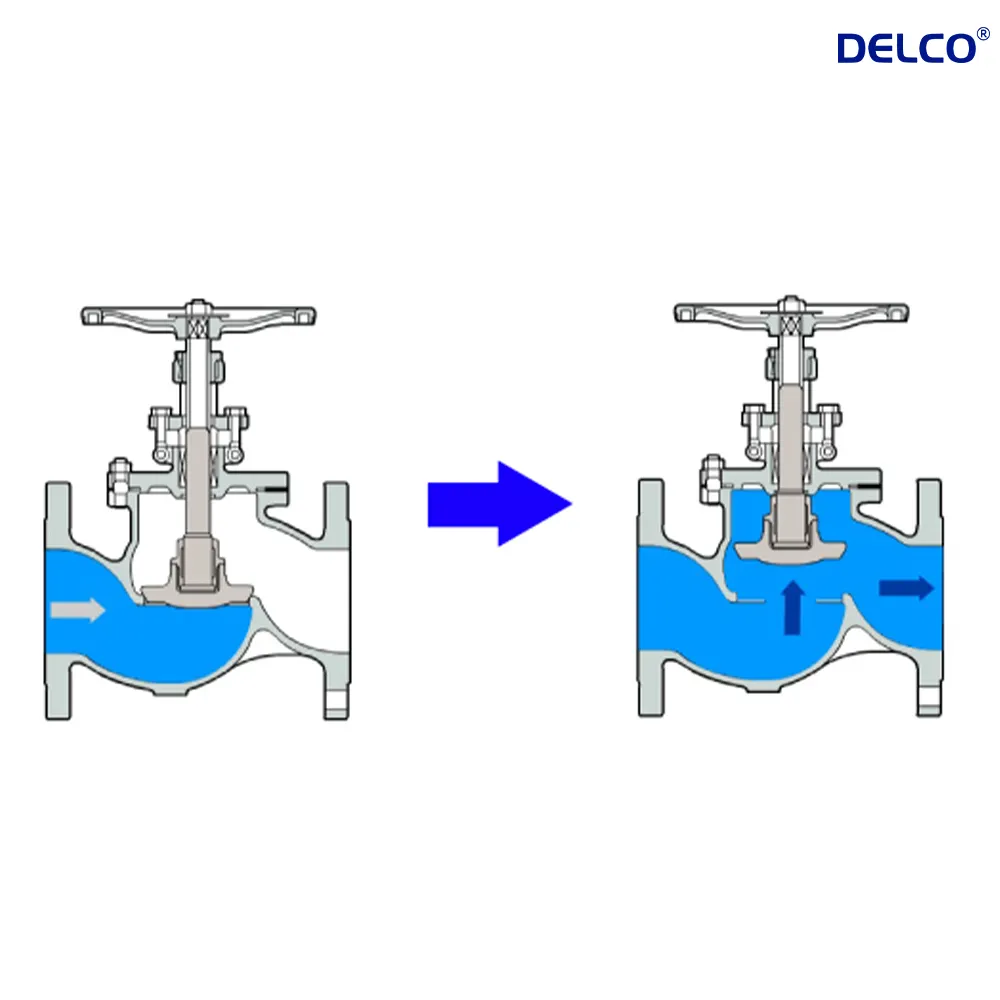
A globe valve is a linear-motion valve built for flow regulation, not just on/off isolation. Inside, the flow path changes direction, forcing the fluid to pass through a seat where a disc moves up and down to control how much fluid gets through.
In simple terms:
- Turn the handwheel (or actuator) → stem moves up or down
- Disc lifts off the seat → more flow
- Disc moves toward the seat → less flow
- Disc fully contacts the seat → tight shutoff
Because of this design, globe valves are ideal for throttling and precise flow control, especially in U.S. industrial piping, boiler systems, HVAC, and process lines where you need repeatable, accurate adjustments.
Key Components and Structure (Plug Disc vs. Needle Disc)
The main parts of a globe valve for flow control:
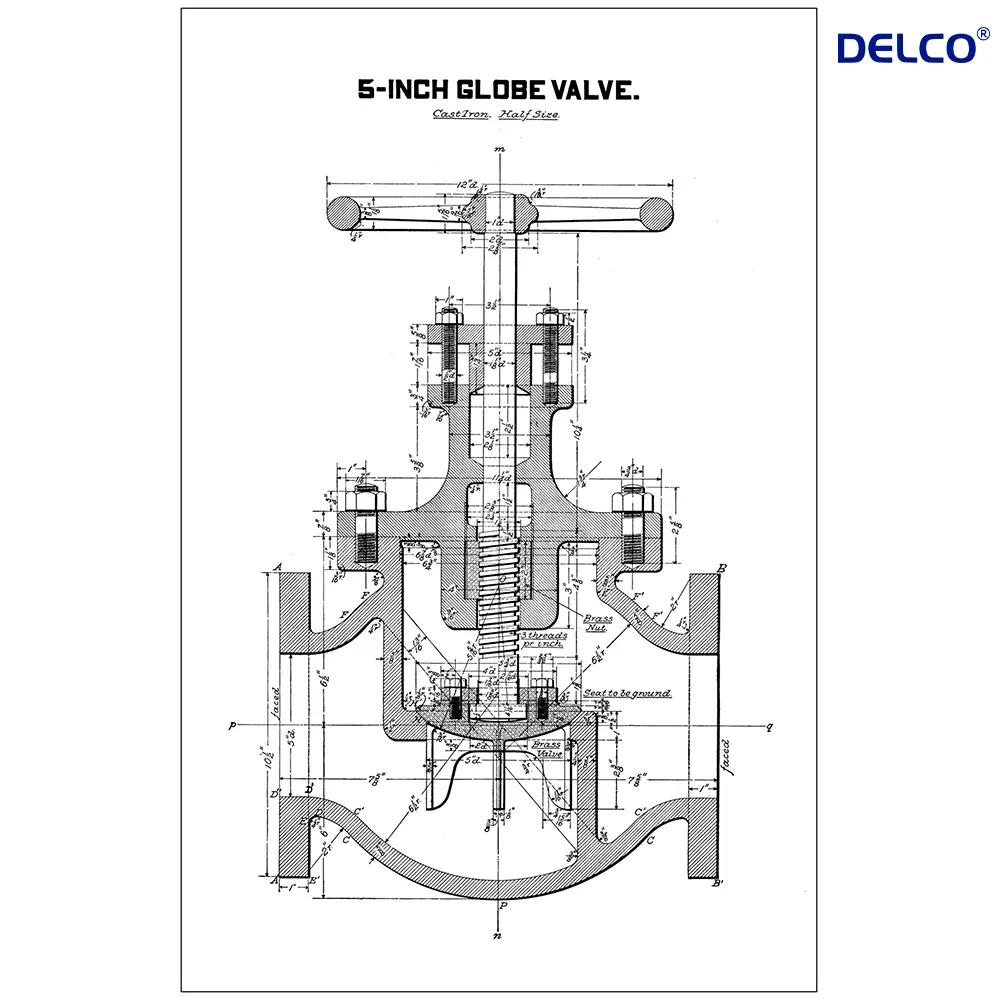
- Body – “Globe-shaped” housing that creates the S-shaped fluid flow path
- Bonnet – Covers the body and holds the stem packing
- Stem – Moves vertically to lift or lower the disc
- Seat – The sealing surface inside the body
- Disc – The main shutoff and throttling element
Two common disc types you’ll see in U.S. piping specs:
- Plug Disc
- Flat or slightly contoured face
- Good for general flow control and shutoff
- Widely used in industrial piping systems, cooling water, and process media
- Needle Disc
- Long, tapered point
- Designed for very fine throttling and low-flow, high-precision applications
- Common in instrumentation lines, sampling, and chemical dosing
Choosing between plug disc and needle disc comes down to how precise you need your flow regulation and how sensitive your system is to small changes in flow.
Common Applications in Flow Regulation
In the U.S. market, we use globe valves anywhere we care about controlled flow, not just open/close:
- Boiler systems and steam lines – controlling steam flow, desuperheaters, heater bypass
- Chilled water and hot water loops – balancing flow in HVAC and building systems
- Process control in chemical, oil & gas, pharma, and food plants
- Fuel oil and lube oil systems – smooth, accurate flow control without big pressure swings
- Water treatment and utility lines – modulating valves where flow setpoints matter
If you need stable throttling, predictable pressure drop, and repeatable flow control in your pipeline, a globe valve is usually the first valve type I look at before gate, ball, or butterfly options.
Globe Valve vs Gate Valve: Key Differences Compared
Design & internal structure (linear motion vs. fluid path)
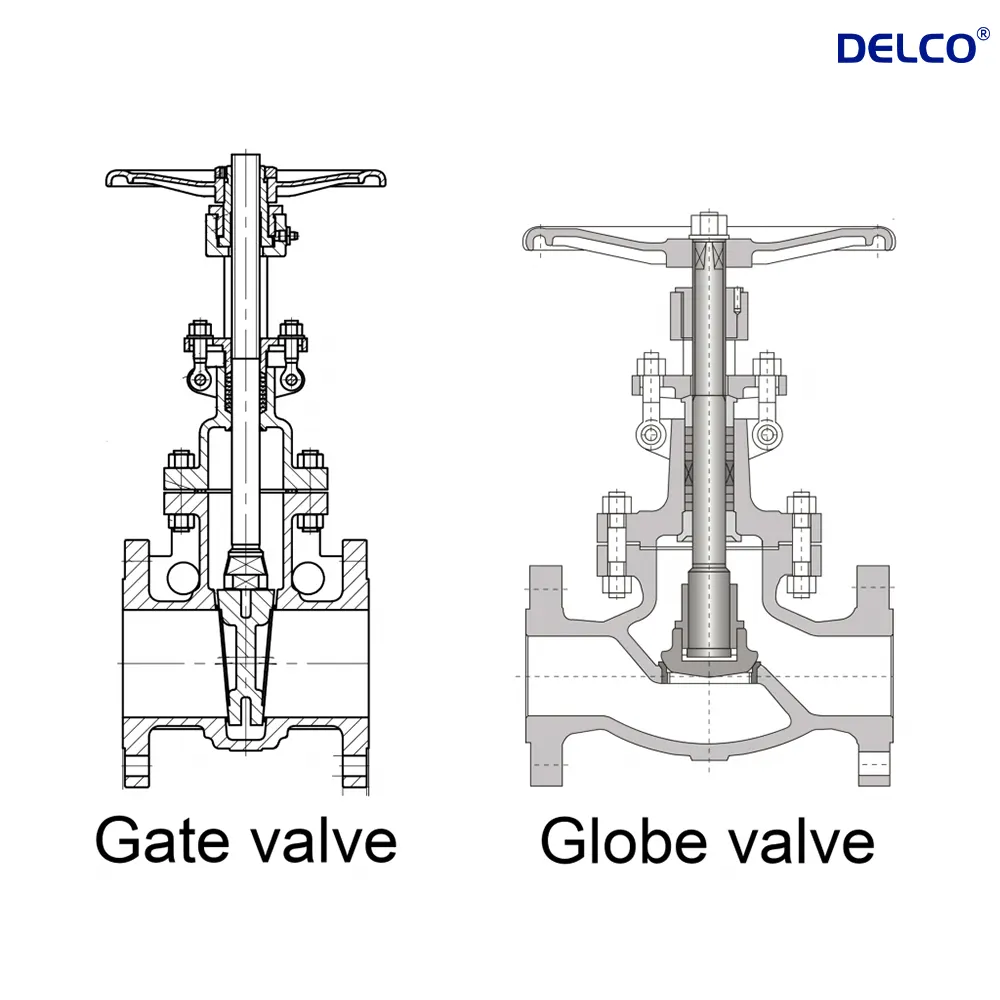
Both are linear motion valves (the stem moves up/down), but the inside geometry is the real difference in piping systems:
- Gate valve (fluid isolation): a “gate” lifts fully out of the fluid flow path. When open, it’s close to a straight shot.
- Globe valve (flow regulation): a disc/plug moves toward a seat inside a curved body, forcing the flow to turn.
Bottom line: I treat a gate valve as a shutoff mechanism first, and a globe valve as a flow control tool.
Flow direction & fluid resistance (straight-through vs. S-shaped path)
This is where pressure drop and fluid resistance show up fast—especially in high-flow industrial piping.
- Gate valve: more straight-through flow → typically lower pressure drop when fully open.
- Globe valve: more S-shaped path → typically higher pressure drop, but better control.
Flow direction note: many globe valves are uni-directional (preferred flow arrow). Gate valves are usually bi-directional for shutoff.
Flow control & throttling (why gates fail at throttling)
If you need flow regulation, a globe valve wins on throttling capability.
- Globe valve: built for throttling—stable control, predictable response, better for boiler system trim and process control.
- Gate valve: not meant for throttling. Partially open creates high-velocity jets that can:
- chew up seating surfaces (erosion)
- cause chatter/vibration
- make it hard to hold a steady setpoint
Rule I use: Gate = on/off isolation. Globe = control.
Sealing mechanism & wear resistance (friction + maintenance)
The sealing surfaces and contact style drive wear and maintenance in real-world pipeline components.
- Gate valve sealing mechanism: wedge/parallel seats seal best fully closed; minimal friction when fully open.
- Globe valve sealing mechanism: disc/plug seats with more frequent movement under load; great control but more wear over time in dirty service.
Maintenance reality: globe valves often see more seat/plug wear in constant throttling duty; gate valves can suffer badly if used for throttling or cycled under debris.
Quick comparison table (US-style selection snapshot)
| Topic | Gate Valve | Globe Valve |
|---|---|---|
| Primary job | Fluid isolation | Flow regulation / flow control |
| Flow path | Straight-through (when open) | S-shaped / turned path |
| Pressure drop | Lower (fully open) | Higher (by design) |
| Throttling capability | Poor (risk of damage) | Strong, stable control |
| Flow direction | Usually bi-directional | Often preferred direction |
| Wear pattern | Seats suffer if throttled | Seats/plug wear with frequent control |
If your priority is low pressure drop and tight shutoff, I go gate. If your priority is controllable flow and repeatable tuning, I go globe.
Advantages and Disadvantages Comparison
Pros and Cons of Gate Valves
Gate valves are my go‑to when a pipeline needs simple on/off fluid isolation with minimal pressure drop.
Pros of Gate Valves
- Low pressure drop: Almost straight‑through fluid flow path, ideal for long U.S. transmission lines and city water mains.
- Bi‑directional sealing: Works in either flow direction, easy to design into existing piping systems.
- Great for full open/close: Strong shutoff mechanism when fully seated.
- Wide size range: Common from small HVAC lines to large refinery and power plant lines.
Cons of Gate Valves
- Poor throttling capability: Not suitable for flow control or regulation; partial opening causes erosion and vibration.
- Slower operation: Multi‑turn linear motion; not ideal where you need fast shutoff.
- More height required: Rising stem designs need vertical space in tight mechanical rooms.
- Seat wear if misused: Using a gate valve like a globe valve for flow regulation will shorten its life quickly.
| Item | Gate Valve Verdict |
|---|---|
| Best use | On/off isolation |
| Throttling / flow control | Not recommended |
| Pressure drop | Very low |
| Typical U.S. applications | Water mains, oil & gas, fire lines |
Pros and Cons of Globe Valves
Globe valves are what I use when flow regulation and precise control matter more than low pressure drop.
Pros of Globe Valves
- Excellent throttling capability: Designed for smooth flow control and frequent adjustment.
- Better shutoff in control duty: Strong sealing mechanism under differential pressure.
- Good for high‑pressure services: Common in boiler systems, steam lines, and process control.
- Predictable fluid resistance: Easier to size for a given Cv and pressure drop.
Cons of Globe Valves
- Higher pressure drop: S‑shaped fluid flow path creates more fluid resistance, which can raise pumping costs.
- Typically uni‑directional: Needs correct installation relative to flow direction.
- Higher operating torque: More effort or bigger actuator than a similar gate valve.
- Larger footprint in line: Heavier and bulkier compared with ball or butterfly valves of same size.
| Item | Globe Valve Verdict |
|---|---|
| Best use | Flow control / throttling |
| Throttling capability | Excellent |
| Pressure drop | Moderate to high |
| Typical U.S. applications | HVAC control, steam, process piping |
Engineering Insights: Real-World Risks of Incorrect Selection
What Happens if You Use a Gate Valve for Throttling? (Erosion & Vibration)
When you use a gate valve for flow control or throttling instead of full open/close, you’re asking for trouble:
- Severe erosion of the gate and seats
- Partially open gate valves create a high-velocity jet that slams into the disc and seat.
- In abrasive or dirty service (sand, scale, slurry, boiler feedwater), that jet eats away metal fast.
- You’ll see scoring, wire-drawing, and eventually leak-by and lost shutoff.
- Vibration and noise
- The flow path around a half-open gate is unstable, so you get turbulence and vibration.
- That vibration travels into the piping system, supports, and actuators, shortening their life.
- On high-pressure or high-temperature lines, that’s a real safety risk, not just a comfort issue.
- Stuck or jammed valves
- Uneven wear and debris buildup can cause the gate to stick in the guides.
- Operators end up applying extra torque, bending stems, or cracking packing glands.
In real U.S. plants—refineries, power, and water systems—every time we see a gate valve used as a throttling valve, we also see higher maintenance, unplanned outages, and safety reviews. If you need flow regulation, I choose a globe valve or a control valve, not a gate.
The Cost Impact of Pressure Drop in High-Flow Pipelines
Wrong valve selection doesn’t just wear out hardware; it quietly burns money through pressure drop:
- More pump or compressor horsepower
- A globe valve used where a gate valve (or ball/butterfly) would do can create a big pressure drop in high-flow, large-bore lines.
- That extra differential pressure means higher pump energy, larger motors, and bigger VFDs.
- On U.S. industrial or municipal systems, that can mean thousands of dollars per year in power for a single valve.
- Lost capacity and throughput
- Extra resistance in the fluid flow path reduces available flow at the same pressure.
- For production pipelines, that’s less product moved per hour and real revenue loss.
- Oversized equipment and CAPEX creep
- To overcome unnecessary pressure drop, engineers end up oversizing pumps, pipes, and controls during design.
- The project looks fine on paper, but you’ve locked in a higher lifecycle cost from day one.
For high-flow pipelines in the U.S.—crude, gas, cooling water, district energy—I always balance fluid isolation, flow regulation, and pressure drop. Gate valves (or ball/butterfly valves) usually win on low fluid resistance; globe valves win on precise flow control. Picking the wrong one shows up later on your utility bill and maintenance budget, not just in a spec sheet.
How to Choose Between a Gate Valve vs Globe Valve (Right Fit for Your Pipeline)
Operating environment, fluid medium, and working pressure
When I’m picking between a gate valve vs globe valve, I start with what the pipeline actually needs: fluid isolation or flow regulation.
- Need full open/close (shutoff mechanism)? Go gate valve (best for bi-directional isolation and low fluid resistance when fully open).
- Need steady flow control / throttling capability? Go globe valve (built for linear motion control and stable flow regulation).
- Working pressure & temperature:
- Higher temps/steam (common in a boiler system) often favors globe valves for control points.
- High-flow liquids where pressure drop matters often favors gate valves for isolation points.
- Dirty or abrasive media (slurry, scale, rust): Prefer simpler isolation or a valve style designed for it; throttling with the wrong valve can chew up internals fast.
Quick pick (real-world rule):
- Isolation on a main line = Gate
- Control on a branch, bypass, or process line = Globe
Installation space and maintenance considerations
Space and service access matter in US plants—especially in tight mechanical rooms and crowded racks.
- Gate valve fit: Great when you can cycle it fully open/closed and leave it there.
- Rising stem (OS&Y): easier visual position check, but needs vertical clearance.
- Non-rising stem: better for tight spaces, but position is less obvious.
- Globe valve fit: Usually heavier, with a more complex sealing mechanism, but easier to service for control duty.
- Plan for more frequent attention if it’s used often for flow control.
Maintenance reality check
- If crews will actually inspect/grease/operate the valve regularly, globe valves are fine for control points.
- If it’s a “set it and forget it” line, gate valves usually win for simple industrial piping isolation.
Total cost of ownership (TCO) and long-term value
I don’t buy valves by sticker price—I buy them by what they cost after 2–5 years in the line.
| Cost Factor (TCO) | Gate Valve | Globe Valve |
|---|---|---|
| Best value use-case | Fluid isolation on mains | Flow regulation / throttling |
| Energy cost impact | Low when fully open (low pressure drop) | Higher pressure drop due to fluid flow path |
| Wear risk | Higher if misused for throttling | Lower for throttling; built for it |
| Maintenance frequency | Lower in on/off service | Higher in frequent control service |
| Failure cost risk | High if used wrong (seat damage) | Lower for control points |
Bottom line: If the line runs 24/7 at high flow, pressure drop becomes an energy bill. That often pushes me toward gate valves for isolation and globe valves only where control is truly needed.
Beyond gate and globe: when to consider ball or butterfly valves?
Sometimes gate valve vs globe valve isn’t the best match for the job—especially in modern piping systems.
- Ball valves (great alternative for isolation):
- Fast quarter-turn operation
- Strong shutoff, compact
- Great for most clean liquids and gases in industrial piping
- Butterfly valves (great for big lines and tight spaces):
- Lightweight, cost-effective on large diameters
- Good for water/HVAC/process where compact pipeline components matter
- Watch the application details (seat type, torque, and required shutoff)
Simple decision add-on
- Need fast on/off + compact? Ball valve
- Need large diameter + low weight? Butterfly valve
- Need precise flow control? Globe valve
- Need low loss isolation on a main line? Gate valve
Frequently Asked Questions (FAQs)
1. Is a gate valve or globe valve better for on/off service?
For pure fluid isolation (fully open or fully closed), I go with a gate valve. It’s bi-directional, offers a straighter fluid flow path, and gives you less pressure drop in most piping systems.
2. When should I use a globe valve instead of a gate valve?
Use a globe valve when you need flow regulation or throttling capability—like fine control in boiler systems, process lines, or where you care about precise flow control instead of just open/close.
3. Can I throttle with a gate valve?
I don’t recommend it. Throttling with a gate valve causes vibration, erosion, and seat damage. That kills the sealing surfaces fast and blows up your maintenance costs.
4. Which valve has lower pressure drop?
In general, a gate valve has lower fluid resistance because of the straighter path. A globe valve has an S-shaped path, so you get higher pressure drop, especially at high flow.
5. Are gate and globe valves both bi-directional?
Most gate valves are fully bi-directional. Many globe valves are designed with a preferred flow direction to reduce wear and improve sealing, so I always follow the arrow on the body.
6. When should I consider ball or butterfly valves instead?
If you want:
- Very low pressure drop and tight shutoff → ball valve
- Large diameter, lighter weight, and lower cost per inch → butterfly valve
I often use gate/globe for traditional industrial piping, and ball/butterfly when space, actuation, and cost drive the decision.
Still Unsure Which Valve Fits Your Project?
Choosing between a gate and a globe valve involves complex fluid dynamics. An incorrect selection can risk pipeline downtime or premature erosion.
As a trusted industrial valve manufacturer, DELCO VALVE provides high-performance gate, globe, ball, and butterfly valves compliant with API, ASME, and ISO standards. Our engineering team is here to help you select the exact valve type, size, and material for your specific piping system.
- Higher pressure drop: S‑shaped fluid flow path creates more fluid resistance, which can raise pumping costs.
- Typically uni‑directional: Needs correct installation relative to flow direction.
- Higher operating torque: More effort or bigger actuator than a similar gate valve.
- Larger footprint in line: Heavier and bulkier compared with ball or butterfly valves of same size.
| Item | Globe Valve Verdict |
|---|---|
| Best use | Flow control / throttling |
| Throttling capability | Excellent |
| Pressure drop | Moderate to high |
| Typical U.S. applications | HVAC control, steam, process piping |
Engineering Insights: Real-World Risks of Incorrect Selection
What Happens if You Use a Gate Valve for Throttling? (Erosion & Vibration)
When you use a gate valve for flow control or throttling instead of full open/close, you’re asking for trouble:
- Severe erosion of the gate and seats
- Partially open gate valves create a high-velocity jet that slams into the disc and seat.
- In abrasive or dirty service (sand, scale, slurry, boiler feedwater), that jet eats away metal fast.
- You’ll see scoring, wire-drawing, and eventually leak-by and lost shutoff.
- Vibration and noise
- The flow path around a half-open gate is unstable, so you get turbulence and vibration.
- That vibration travels into the piping system, supports, and actuators, shortening their life.
- On high-pressure or high-temperature lines, that’s a real safety risk, not just a comfort issue.
- Stuck or jammed valves
- Uneven wear and debris buildup can cause the gate to stick in the guides.
- Operators end up applying extra torque, bending stems, or cracking packing glands.
In real U.S. plants—refineries, power, and water systems—every time we see a gate valve used as a throttling valve, we also see higher maintenance, unplanned outages, and safety reviews. If you need flow regulation, I choose a globe valve or a control valve, not a gate.
The Cost Impact of Pressure Drop in High-Flow Pipelines
Wrong valve selection doesn’t just wear out hardware; it quietly burns money through pressure drop:
- More pump or compressor horsepower
- A globe valve used where a gate valve (or ball/butterfly) would do can create a big pressure drop in high-flow, large-bore lines.
- That extra differential pressure means higher pump energy, larger motors, and bigger VFDs.
- On U.S. industrial or municipal systems, that can mean thousands of dollars per year in power for a single valve.
- Lost capacity and throughput
- Extra resistance in the fluid flow path reduces available flow at the same pressure.
- For production pipelines, that’s less product moved per hour and real revenue loss.
- Oversized equipment and CAPEX creep
- To overcome unnecessary pressure drop, engineers end up oversizing pumps, pipes, and controls during design.
- The project looks fine on paper, but you’ve locked in a higher lifecycle cost from day one.
For high-flow pipelines in the U.S.—crude, gas, cooling water, district energy—I always balance fluid isolation, flow regulation, and pressure drop. Gate valves (or ball/butterfly valves) usually win on low fluid resistance; globe valves win on precise flow control. Picking the wrong one shows up later on your utility bill and maintenance budget, not just in a spec sheet.
How to Choose Between a Gate Valve vs Globe Valve (Right Fit for Your Pipeline)
Operating environment, fluid medium, and working pressure
When I’m picking between a gate valve vs globe valve, I start with what the pipeline actually needs: fluid isolation or flow regulation.
- Need full open/close (shutoff mechanism)? Go gate valve (best for bi-directional isolation and low fluid resistance when fully open).
- Need steady flow control / throttling capability? Go globe valve (built for linear motion control and stable flow regulation).
- Working pressure & temperature:
- Higher temps/steam (common in a boiler system) often favors globe valves for control points.
- High-flow liquids where pressure drop matters often favors gate valves for isolation points.
- Dirty or abrasive media (slurry, scale, rust): Prefer simpler isolation or a valve style designed for it; throttling with the wrong valve can chew up internals fast.
Quick pick (real-world rule):
- Isolation on a main line = Gate
- Control on a branch, bypass, or process line = Globe
Installation space and maintenance considerations
Space and service access matter in US plants—especially in tight mechanical rooms and crowded racks.
- Gate valve fit: Great when you can cycle it fully open/closed and leave it there.
- Rising stem (OS&Y): easier visual position check, but needs vertical clearance.
- Non-rising stem: better for tight spaces, but position is less obvious.
- Globe valve fit: Usually heavier, with a more complex sealing mechanism, but easier to service for control duty.
- Plan for more frequent attention if it’s used often for flow control.
Maintenance reality check
- If crews will actually inspect/grease/operate the valve regularly, globe valves are fine for control points.
- If it’s a “set it and forget it” line, gate valves usually win for simple industrial piping isolation.
Total cost of ownership (TCO) and long-term value
I don’t buy valves by sticker price—I buy them by what they cost after 2–5 years in the line.
| Cost Factor (TCO) | Gate Valve | Globe Valve |
|---|---|---|
| Best value use-case | Fluid isolation on mains | Flow regulation / throttling |
| Energy cost impact | Low when fully open (low pressure drop) | Higher pressure drop due to fluid flow path |
| Wear risk | Higher if misused for throttling | Lower for throttling; built for it |
| Maintenance frequency | Lower in on/off service | Higher in frequent control service |
| Failure cost risk | High if used wrong (seat damage) | Lower for control points |
Bottom line: If the line runs 24/7 at high flow, pressure drop becomes an energy bill. That often pushes me toward gate valves for isolation and globe valves only where control is truly needed.
Beyond gate and globe: when to consider ball or butterfly valves?
Sometimes gate valve vs globe valve isn’t the best match for the job—especially in modern piping systems.
- Ball valves (great alternative for isolation):
- Fast quarter-turn operation
- Strong shutoff, compact
- Great for most clean liquids and gases in industrial piping
- Butterfly valves (great for big lines and tight spaces):
- Lightweight, cost-effective on large diameters
- Good for water/HVAC/process where compact pipeline components matter
- Watch the application details (seat type, torque, and required shutoff)
Simple decision add-on
- Need fast on/off + compact? Ball valve
- Need large diameter + low weight? Butterfly valve
- Need precise flow control? Globe valve
- Need low loss isolation on a main line? Gate valve
Frequently Asked Questions (FAQs)
1. Is a gate valve or globe valve better for on/off service?
For pure fluid isolation (fully open or fully closed), I go with a gate valve. It’s bi-directional, offers a straighter fluid flow path, and gives you less pressure drop in most piping systems.
2. When should I use a globe valve instead of a gate valve?
Use a globe valve when you need flow regulation or throttling capability—like fine control in boiler systems, process lines, or where you care about precise flow control instead of just open/close.
3. Can I throttle with a gate valve?
I don’t recommend it. Throttling with a gate valve causes vibration, erosion, and seat damage. That kills the sealing surfaces fast and blows up your maintenance costs.
4. Which valve has lower pressure drop?
In general, a gate valve has lower fluid resistance because of the straighter path. A globe valve has an S-shaped path, so you get higher pressure drop, especially at high flow.
5. Are gate and globe valves both bi-directional?
Most gate valves are fully bi-directional. Many globe valves are designed with a preferred flow direction to reduce wear and improve sealing, so I always follow the arrow on the body.
6. When should I consider ball or butterfly valves instead?
If you want:
- Very low pressure drop and tight shutoff → ball valve
- Large diameter, lighter weight, and lower cost per inch → butterfly valve
I often use gate/globe for traditional industrial piping, and ball/butterfly when space, actuation, and cost drive the decision.
Still Unsure Which Valve Fits Your Project?
Choosing between a gate and a globe valve involves complex fluid dynamics. An incorrect selection can risk pipeline downtime or premature erosion.
As a trusted industrial valve manufacturer, DELCO VALVE provides high-performance gate, globe, ball, and butterfly valves compliant with API, ASME, and ISO standards. Our engineering team is here to help you select the exact valve type, size, and material for your specific piping system.
Share on Social:


