



 Home /
 Chemical Plant Case: Pneumatic Flanged Ball Valve with Explosion-Proof Limit Switch
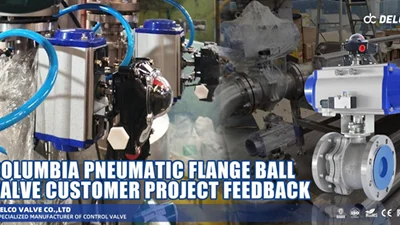
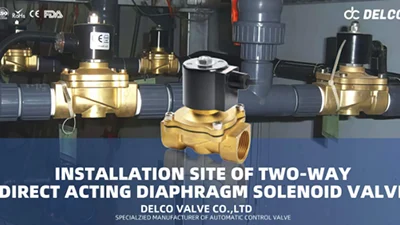
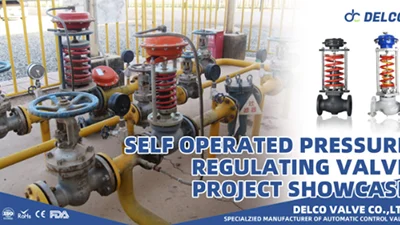
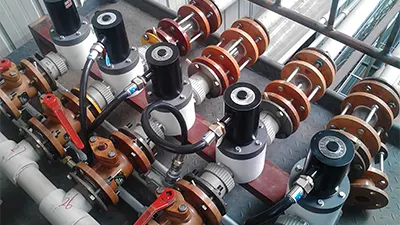
Chemical plant case study on pneumatic flanged ball valve with explosion proof limit switch safety certifications and automation features
Key Components of a Pneumatic Flanged Ball Valve Assembly
To understand why this setup is a staple in hazardous area valve automation, we need to look at how its core components interact. Every part of the assembly is engineered to handle high-pressure process control with maximum reliability.

High-Performance Flanged Ball Valve Core
At the center of the system is a heavy-duty, corrosion resistant ball valve designed for tight shut-off. The flanged ends provide a robust, leak-proof connection directly to industrial pipeline systems, ensuring structural integrity under immense thermal and mechanical stress.
Pneumatic Actuator Mechanics
The pneumatic actuator converts compressed air into the mechanical force needed for quarter turn valve actuation. Depending on the operational torque requirements, we typically utilize two main mechanics:
Rack and Pinion: Ideal for compact spaces, offering consistent torque throughout the rapid open-and-close cycles.
Scotch Yoke: Designed for larger valves, delivering exceptionally high torque at the breakaway and ending points of the stroke.
For a deeper dive into choosing the right drive mechanism for your facility, check out our ultimate guide to pneumatic actuator valves selection and use.
Explosion-Proof Limit Switch Box Functionality
Safety in volatile environments relies on the explosion proof limit switch box. This component houses the position feedback sensor, which detects whether the valve is open or closed and transmits that data back to the control room. It features a heavy-duty, spark-containing enclosure that prevents any internal electrical arcing from igniting flammable gases in the surrounding atmosphere.
Solenoid Valves and Air Supply Accessories
An automated flow control valve requires precise air management to function. Solenoid valves act as the electrical bridge, receiving signals from the control system to direct pilot air into the actuator chambers. This is supported by air filter regulators and speed controllers that ensure clean, stable air pressure for smooth valve modulation.
| Component | Primary Function | Impact on Plant Safety |
|---|---|---|
| Flanged Ball Valve | Fluid isolation and flow control | Prevents process leaks and fugitive emissions |
| Pneumatic Actuator | Automates valve opening and closing | Enables rapid or emergency shutdown |
| Limit Switch Box | Provides real-time position feedback | Safely contains internal electrical sparks |
| Solenoid Valve | Directs compressed air flow | Ensures precise, predictable actuation |
Why Chemical Plants Rely on This Valve Setup
In our experience supplying automated flow control systems, chemical processing plants present some of the most hostile environments for equipment. A standard valve simply cannot survive the daily abuse. The combination of a pneumatic flanged ball valve with an explosion-proof limit switch is our go-to configuration for these demanding applications.
Here is why this specific setup is critical for chemical processing valves:
- Handling Aggressive Media: Chemical processing requires materials that do not degrade. When evaluating if a valve can handle corrosive chemicals, material selection is everything. Using a high-grade corrosion resistant ball valve ensures long-term reliability against acids, solvents, and reactive agents.
- Managing Extreme Pressures and Temperatures: Chemical reactions often trigger rapid thermal cycling and high-pressure spikes. The robust flanged connection provides a secure, leak-tight seal that handles these fluctuations without structural fatigue.
- Preventing Fugitive Emissions: Preventing leaks is a priority for safety and environmental compliance. Our pneumatic flanged ball valve configurations utilize advanced live-loaded stem packing to contain volatile organic compounds (VOCs) and hazardous gases.
- Meeting Strict Industry Standards: Safety compliance is non-negotiable. This integrated chemical plant valve setup helps facilities meet OSHA, EPA, and ATEX requirements, ensuring safe operation in hazardous zones.
Explosion-Proof Limit Switches in Hazardous Zones
In volatile chemical environments, a single spark can lead to catastrophic failure. That is why we engineer our explosion-proof limit switch box to isolate electrical contacts from the surrounding atmosphere, ensuring absolute safety in Zone 1 and Zone 2 classified areas.
Global Safety Standards: ATEX, IECEx, and SIL
To operate safely in explosive atmospheres, our valve assemblies comply with rigorous international standards:
ATEX & IECEx: Certifies that the enclosure can withstand an internal explosion without allowing flames or sparks to escape into the surrounding flammable gas or dust.
SIL 2/3 Ratings: Guarantees the functional safety and reliability of the position feedback sensor within safety instrumented systems (SIS).
Containing Sparks and Preventing Ignitions
The heavy-duty, copper-free aluminum or stainless steel housing of the limit switch acts as a containment barrier. If an internal electrical arc occurs during switch actuation, the flame path design cools and dissipates the hot gases before they can exit the enclosure, preventing accidental ignitions.
Real-Time Position Feedback for Control Rooms
Automated systems rely on precise data. The limit switch transmits continuous, real-time valve status (fully open or fully closed) back to the PLC or DCS. This integration is critical for hazardous area valve automation, allowing operators to monitor flow conditions and immediately detect any discrepancies. For facilities utilizing electric control loops alongside pneumatic setups, deploying an explosion-proof electric actuated ball valve ensures similar high-level protection and reliable feedback across all process lines.
Real-World Chemical Plant Case Studies
We have deployed the pneumatic flanged ball valve with explosion-proof limit switch across various high-stakes environments, proving its reliability where safety and automation cannot be compromised.
Petrochemical Refinery Distillation Units
In crude oil distillation columns, managing high-temperature hydrocarbon streams requires absolute precision. We integrated our heavy-duty flanged ball valve assemblies into a major refinery's fractionating tower bottoms line. The quarter-turn valve actuation handles rapid thermal cycling without binding, while the ATEX certified limit switch ensures the control room receives exact position feedback in a zone constantly exposed to explosive gases.
Volatile Organic Compound (VOC) Storage
Controlling fugitive emissions in tank farms is critical for both environmental compliance and site safety. For a global logistics provider, we supplied chemical processing valves optimized for low-leakage performance. These automated flow control valves manage the blanketing and transfer of volatile solvents, utilizing tight flanged connections to eliminate leak paths and an explosion proof limit switch box to safely operate in Class I, Division 1 hazardous areas.
Emergency Shutdown Systems (ESD)
When a process goes offline, safety systems must react instantly. We configured our pneumatic actuated ball valve units as dedicated emergency shutdown valves (ESDVs) for a specialized polymer manufacturing line. Backed by highly relevant chemical plant valve solutions, these setups utilize high-torque pneumatic actuators paired with position feedback sensors to guarantee a fail-safe closure within milliseconds during an overpressure event, isolating hazardous media and protecting downstream assets.
Industrial Valve Maintenance and Installation
Getting a pneumatic flanged ball valve up and running safely in a chemical plant requires precision. Poor installation leads to leaks, while skipped maintenance guarantees unplanned downtime. Here is our direct, field-tested guide to keeping your automated flow control valves operating flawlessly.
Flanged Connection Alignment and Torque
Never force a flanged ball valve assembly into place. Pipeline misalignment stresses the valve body, leading to premature seat wear and joint leaks.
- Clean the Faces: Ensure the flange faces are entirely free of debris, rust, or old gasket residue.
- Cross-Torque Sequence: Always tighten the bolts in a star or crisscross pattern. This distributes the load evenly across the gasket.
- Use a Torque Wrench: Tighten to the exact manufacturer specifications. Under-torquing causes fugitive emissions, while over-torquing crushes the gasket and damages the flange.
Setting and Calibrating the Limit Switch Points
An explosion proof limit switch box provides critical position feedback sensor data to the control room. If it is improperly calibrated, your system receives false readings.
- Isolate the Valve: Ensure the line is depressurized before opening the switch enclosure.
- Adjust the Cams: Manually cycle the valve to the fully open and fully closed positions, adjusting the internal cams until they precisely trip the mechanical switches or proximity sensors.
- Seal the Enclosure: Secure the cover tightly to maintain its ATEX or hazardous area rating. Ground the enclosure properly to prevent static buildup.
Routine Pneumatic Actuator Inspection
The pneumatic actuator drives the entire quarter turn valve actuation process. Regular wear-and-tear inspections keep the automation responsive. Knowing how your specific system handles air pressure—such as the differences found in single vs double acting pneumatic actuators—helps you identify potential failure points before they stall production.
- Seal Replacements: Inspect and replace O-rings and guide delayed seals annually to prevent air bypass.
- Lubrication: Use only manufacturer-approved, low-temperature lubricants inside the cylinder.
- Air Quality Check: Ensure the instrument air supply is dry and filtered. Moisture or oil contamination destroys actuator seals rapidly.
Troubleshooting Pressure Drops and Signal Issues
When a chemical plant valve fails to respond correctly, use this quick diagnostic guide to trace the root cause:
| Symptom | Potential Cause | Solution |
|---|---|---|
| Actuator sluggish or sticking | Low supply pressure or worn piston seals | Check air regulator output; replace actuator seals. |
| No position feedback signal | Misaligned internal cams or wiring fault | Recalibrate the limit switch cams; verify wiring continuity to the PLC. |
| Hissing sound at the valve | Damaged flange gasket or packing leak | Tighten flange bolts to torque spec or replace the stem packing. |
| Solenoid hums but won't trip | Voltage drop or debris in the pilot valve | Verify power supply voltage; clean or replace the solenoid core. |
FAQs About Pneumatic Flanged Ball Valves
We field a lot of questions about keeping a pneumatic flanged ball valve running smoothly in harsh chemical environments. Here are the direct answers to the most common questions we get from the field.
What causes a pneumatic actuator to stick?
An uncooperative pneumatic actuator usually boils down to three main culprits:
Contaminated Air Supply: Moisture, dirt, or oil in the instrument air line degrades internal seals and clogs internal ports.
Seal Wear: Over time, the O-rings inside the actuator dry out or tear, causing internal air bypass.
Mechanical Binding: High torque demands from a seized or scale-heavy chemical processing valves core can overpower the actuator.
How often should explosion proof limit switches be tested?
In hazardous chemical zones, we recommend testing your explosion proof limit switch box at least once every 6 to 12 months. If the valve is part of an emergency shutdown valve (ESD) system, strict safety regulations often demand quarterly proof-testing to verify the position feedback sensor signals correctly to the control room.
Can I replace the limit switch without removing the valve?
Yes. You can swap out or recalibrate an ATEX certified limit switch while the valve body remains bolted into the pipeline system. 1. Isolate the electrical power to the switch box. 2. Disconnect the wiring. 3. Loosen the mounting bracket bolts on the top of the quarter turn valve actuation assembly and lift the switch box clear of the actuator shaft.
For quick retrofits, our pneumatic valve actuator with solenoid limit switch configuration simplifies this modular maintenance.
What is the difference between fail-safe open and fail-safe closed?
The choice between these two configurations dictates how your hazardous area valve automation setup behaves during a total loss of pneumatic air or electrical power.
| Fail-Safe Configuration | Operational Behavior | Typical Chemical Plant Application |
|---|---|---|
| Fail-Safe Closed (FC) | Internal springs force the ball valve to shut tight when air pressure drops. | Isolate toxic chemical storage tanks to prevent accidental spills. |
| Fail-Safe Open (FO) | Internal springs drive the valve fully open when air pressure drops. | Vent pressure lines or maintain cooling water loops to avoid thermal runaway. |
For critical safety loops, outfitting your lines with a heavy-duty spring return pneumatic actuator ensures the valve automatically shifts to its designated safe state the instant power fails.
Share on Social:


