

 Contactez-Nous

 Accueil /
 Vanne à guillotine à actionneur pneumatique : guide de principe et de sélection
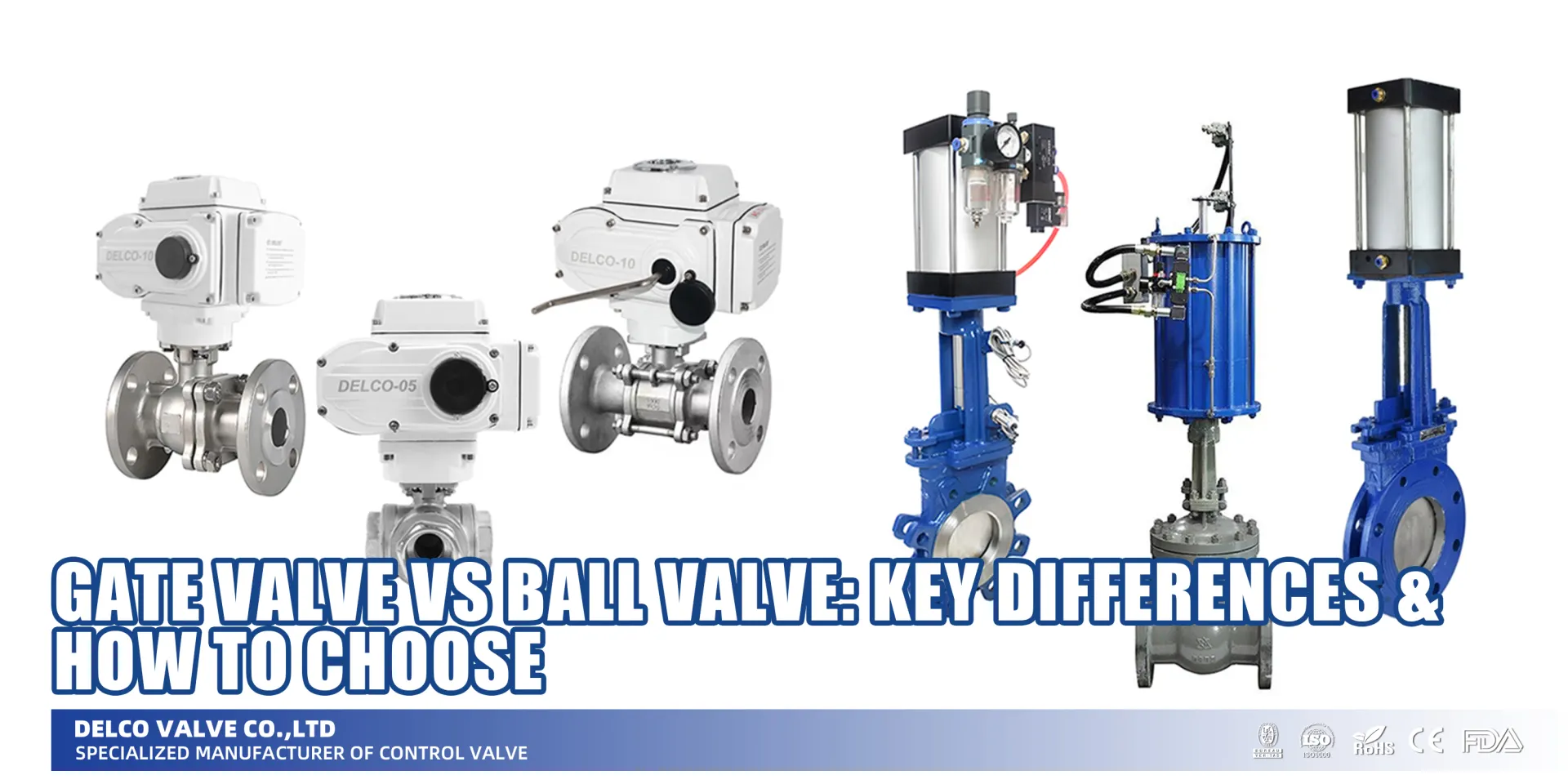
Vanne à guillotine ou vanne à boisseau sphérique : principales différences et comment choisir
31 août 2026
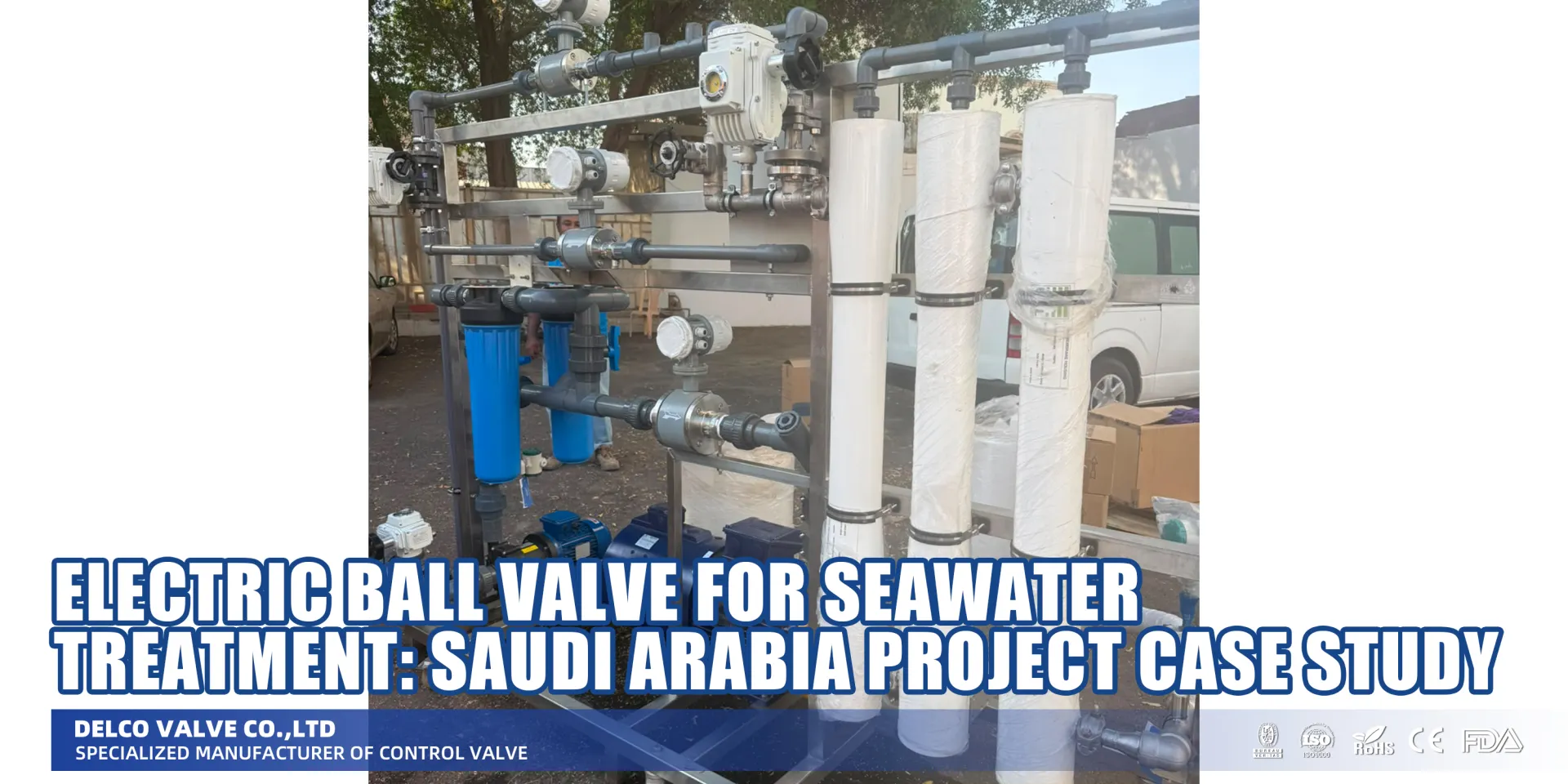
Vanne à bille électrique pour le traitement de l'eau de mer : étude de cas d'un projet en Arabie saoudite
26 août 2026
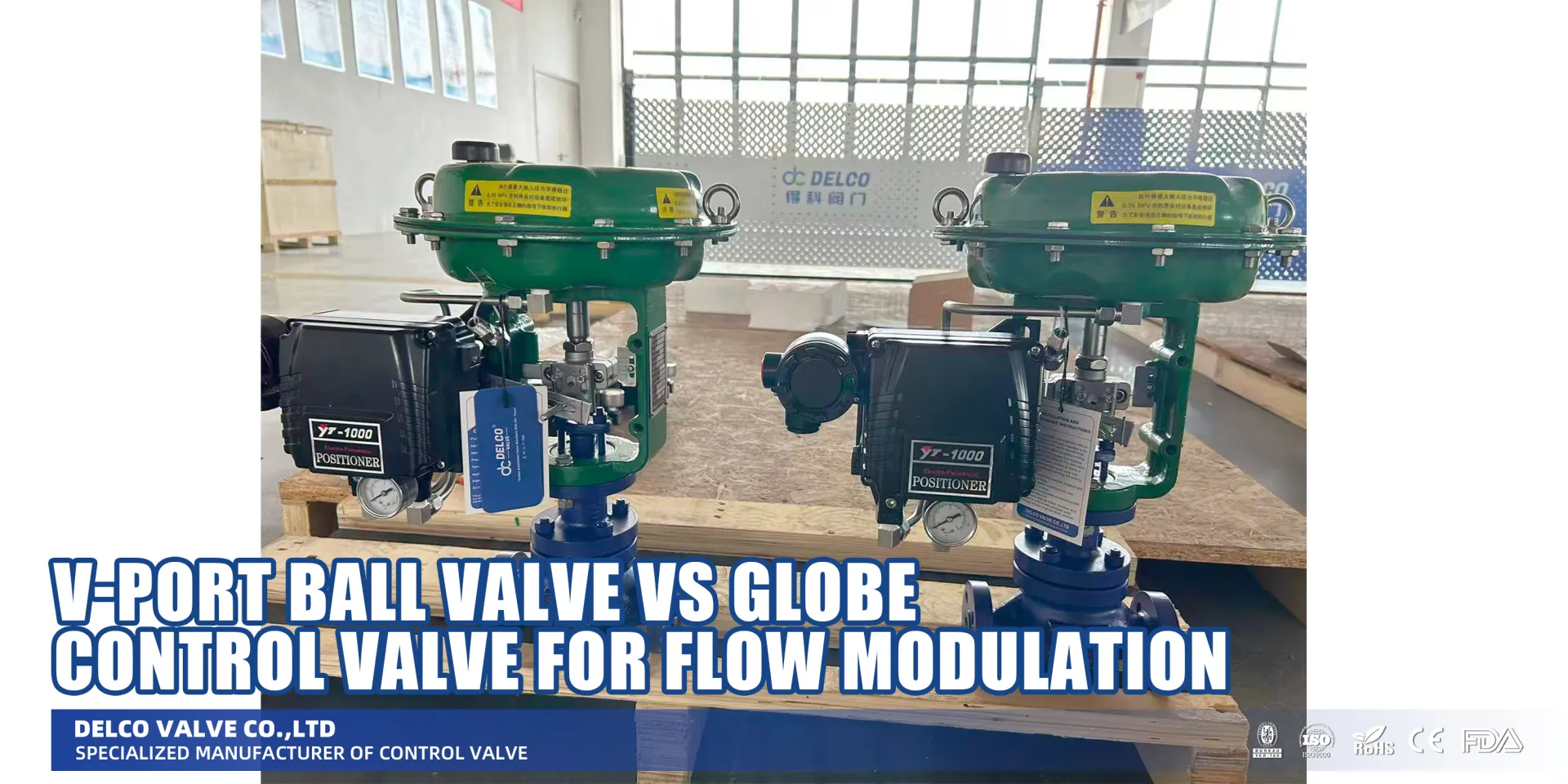
Vanne à bille à passage en V vs vanne de régulation à globe pour la modulation de débit
22 août 2026
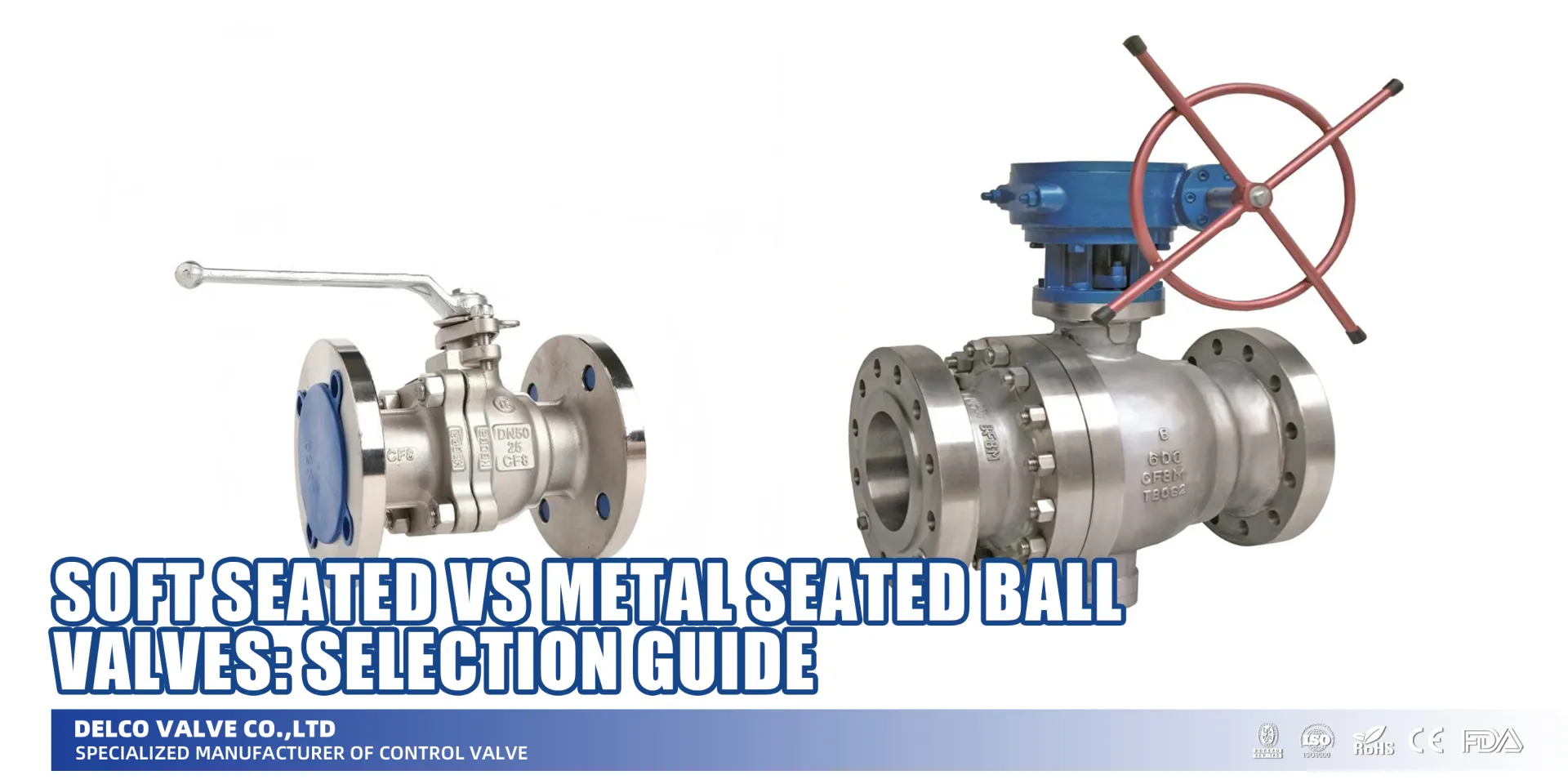
Vannes à bille à siège souple ou métallique : comment choisir pour les applications sévères
19 août 2026
Maîtrisez le principe de fonctionnement des vannes à guillotine à actionneur pneumatique. Découvrez leurs principaux avantages, leurs applications industrielles et des conseils de sélection dans notre guide expert.
Qu'est-ce qu'une vanne à guillotine à actionneur pneumatique ?
Vous en avez assez de manœuvrer manuellement de grandes vannes ou de vous inquiéter des temps de fermeture trop longs en cas d'urgence critique ? La vanne à guillotine à actionneur pneumatique est la solution idéale pour automatiser et sécuriser vos opérations. En résumé, il s'agit d'une vanne à guillotine industrielle standard associée à un puissant vérin pneumatique. Le corps de la vanne assure l'isolation (en savoir plus sur le [ principe de fonctionnement de la vanne à guillotine ] ), tandis que l'actionneur fournit la force nécessaire. Au lieu d'utiliser une manivelle, nous utilisons de l'air comprimé pour actionner un piston , créant ainsi le mouvement linéaire nécessaire à la levée ou à l'abaissement de la guillotine.
Ce système transforme une vanne marche/arrêt manuelle en une solution automatisée haute performance. Nous utilisons généralement ce principe de fonctionnement d'actionneur pneumatique linéaire dans les situations où la rapidité et la sécurité sont primordiales.
Composantes clés et différences de conception
Pour comprendre comment nous construisons ces systèmes, il faut en examiner l'anatomie. Une vanne à guillotine pneumatique n'est pas une pièce unique ; c'est un assemblage de quatre éléments distincts et essentiels :
- Corps de vanne à guillotine : Le récipient sous pression qui contient le fluide et le coin ou le couteau.
- Actionneur pneumatique: Le « muscle » de l’unité, généralement un cylindre faisant office de moteur linéaire.
- Tige: La bielle qui transmet la poussée de l'actionneur directement à la porte.
- Accessoires: Des composants comme le électrovanne pilote (pour contrôler le flux d'air) et boîtier de fin de course (pour envoyer un retour d'information sur la position).
Comparativement aux vannes manuelles standard, la principale différence réside dans le fonctionnement de la tige. Alors que les versions manuelles peuvent être à tige fixe, l'actionnement pneumatique est presque exclusivement associé à des tiges montantes . L'actionneur nécessite une course verticale linéaire pour extraire physiquement le clapet du flux.
Comparaison des vannes à guillotine manuelles et pneumatiques
| Fonctionnalité | Vanne à guillotine manuelle standard | Vanne à guillotine à actionneur pneumatique |
|---|---|---|
| Source d'énergie | Opérateur humain (volant) | Air comprimé (vérin pneumatique) |
| Temps de réponse | Lent (multi-virages) | Rapide (course linéaire directe) |
| Type de tige | Montante ou non montante | Tige typiquement ascendante |
| Utilisation principale | Isolement peu fréquent | Arrêt automatique / d'urgence |
Dans les canalisations industrielles , notamment dans les secteurs du pétrole et du gaz ou des eaux usées, l'intégration d'une vanne à guillotine à actionneur pneumatique permet un contrôle centralisé. Il ne s'agit pas simplement d'ouvrir des vannes ; il s'agit de les intégrer dans un système de sécurité et d'automatisation plus vaste.
Types d'actionneurs pneumatiques pour vannes à guillotine
Lorsqu'on parle d'automatiser des vannes à guillotine, il ne s'agit pas simplement d'y ajouter un moteur quelconque. Puisque les vannes à guillotine fonctionnent en soulevant verticalement un coin pour dégager le passage du fluide, il nous faut un équipement conçu spécifiquement pour cette course linéaire.
Voici le détail du matériel spécifique que nous utilisons pour réaliser le travail efficacement.
Application particulière : Pourquoi utiliser des vannes à guillotine pneumatiques ?
Si les vannes à guillotine classiques sont idéales pour les fluides propres, elles sont inadaptées aux applications impliquant des fluides chargés de particules. C'est là que la vanne à guillotine pneumatique excelle. Contrairement à une guillotine classique, la « guillotine » est une plaque d'acier affûtée conçue pour découper les boues épaisses, la pâte à papier et les eaux usées. Associée à un actionneur pneumatique linéaire, la poussée à grande vitesse permet de traverser les particules solides qui bloqueraient une vanne traditionnelle.
Actionneurs pneumatiques linéaires (à piston et à diaphragme)
Pour une vanne à guillotine, un mouvement rotatif est inutile sans réducteurs complexes. C'est pourquoi nous utilisons des actionneurs pneumatiques linéaires . Ces dispositifs se fixent directement sur la tige de la vanne et utilisent de l'air comprimé pour actionner verticalement une tige de piston ou un diaphragme.
- Actionneurs à piston : Ce sont des outils de levage puissants. Nous les utilisons pour les conduites haute pression où une poussée importante est nécessaire pour insérer ou déloger le coin.
- Actionneurs à membrane : Généralement utilisé pour les applications à basse pression ou de contrôle où une course plus courte est acceptable.
Configurations à double effet vs. configurations à simple effet
Le choix entre ces deux options dépend de vos exigences en matière de sécurité et de la disponibilité de l'air comprimé.
- Actionneur pneumatique à double effet : Ce système utilise de l'air comprimé pour ouvrir et fermer la vanne. Il offre un contrôle précis dans les deux sens, mais nécessite une alimentation en air constante pour fonctionner. En cas de perte de pression d'air, la vanne reste bloquée dans sa position.
- Simple effet (retour au printemps) : Aussi connu sous le nom de vanne à guillotine pneumatique à sécurité intégréeNous utilisons de l'air comprimé pour pousser la vanne dans un sens (généralement ouverte), et un ressort mécanique pour la refermer en cas de coupure d'air. Ce système est essentiel dans les industries américaines à risques, comme le secteur pétrolier et gazier, où un arrêt d'urgence est impératif.
Accessoires indispensables pour l'automatisation
L'actionneur fournit la force motrice, mais ce sont ces composants qui fournissent le cerveau et la visibilité :
- Électrovanne pilote : Cela fait office d'interrupteur électrique. On utilise généralement un interrupteur à trois ou cinq voies. [Electrovanne] (Montage NAMUR) pour diriger le flux d'air vers les cylindres de l'actionneur en fonction des signaux de votre système de contrôle.
- Boîtier de fin de course : Vous devez savoir où se trouve votre vanne. Ces interrupteurs envoient un signal à la salle de contrôle pour confirmer si la vanne est complètement ouverte ou complètement fermée.
- Positionneurs : Pour les applications nécessitant une modulation de débit plutôt qu'un simple service marche/arrêt, un positionneur ajuste la course de la vanne en fonction d'un signal 4-20 mA.
- Régulateurs de filtre à air : L'air vicié endommage les actionneurs. Nous les installons systématiquement pour purifier l'air et maintenir une pression constante.
Souhaiteriez-vous que je détaille ensuite la liste de contrôle spécifique de maintenance des joints de piston des actionneurs à double effet ?
Principe de fonctionnement d'une vanne à guillotine pneumatique
Comprendre le principe de fonctionnement d'une vanne à guillotine pneumatique est plus simple qu'il n'y paraît. Le principe repose sur la conversion de l'énergie de l'air comprimé en mouvement mécanique pour réguler le débit. Contrairement aux vannes rotatives (comme les vannes papillon ou à bille), une vanne à guillotine nécessite un mouvement vertical de haut en bas. C'est pourquoi un actionneur linéaire actionne la tige de piston et la tige de la vanne, garantissant ainsi une course linéaire précise qui soulève ou ferme le guillotine.
Voici le détail des étapes qui nous permettent de faire bouger cette énorme porte en acier uniquement grâce à l'air comprimé :
- Arrivée d'air: De l'air comprimé (généralement 4 à 8 bars / 60 à 115 PSI) est injecté dans le cylindre de l'actionneur.
- Mouvement du piston: La pression de l'air exerce une pression sur un piston ou un diaphragme interne.
- Actionnement de la tige : Cette force déplace linéairement la tige et la vanne reliées entre elles pour bloquer ou permettre l'écoulement du fluide.
Configurations de vérins à double effet et à simple effet
Lors du choix d'un actionneur, vous devez généralement opter pour l'un des deux principaux modes de fonctionnement. Ce choix détermine la réaction de la vanne en cas de perte de pression d'air.
- Actionneur pneumatique à double effet : Ce système utilise la pression de l'air pour l'ouverture et la fermeture de la vanne. L'air est injecté par un orifice pour ouvrir la vanne et par un autre pour la fermer. Il assure une force constante dans les deux sens, mais ne dispose d'aucune sécurité intrinsèque en cas de coupure d'air.
- Acteur simple (retour au printemps) : On appelle souvent cela un vanne à guillotine pneumatique de sécuritéNous utilisons la pression de l'air pour comprimer un ressort robuste et ouvrir la vanne. Si l'alimentation en air est coupée ou si l'alimentation électrique est interrompue, cela ressort de rappel Le mécanisme repousse immédiatement le piston, ramenant automatiquement la porte en position de sécurité (généralement fermée).
Contrôle de précision par électrovannes
Pour automatiser le fonctionnement de cet actionneur pneumatique linéaire , nous n'injectons pas d'air manuellement dans le cylindre. Nous intégrons une électrovanne pilote . Ce dispositif fait office d'interrupteur, recevant des signaux électriques de votre système de commande pour diriger le flux d'air. En régulant l'entrée et la sortie d'air, nous obtenons une course fluide et contrôlée, évitant ainsi la fermeture brutale de la vanne pneumatique et les coups de bélier.
Souhaiteriez-vous que je vous aide à créer un tableau comparatif pour la section suivante afin de mettre en évidence les cas où il est préférable de choisir des actionneurs pneumatiques plutôt qu'électriques ?
Avantages et principaux bénéfices des actionneurs pneumatiques
Lorsqu'il s'agit d'automatiser des lignes industrielles, la vanne à guillotine à actionneur pneumatique s'impose souvent face aux solutions électriques ou hydrauliques. D'après mon expérience en matière de systèmes performants, le choix se résume généralement à un compromis entre vitesse, sécurité et rentabilité. Voici pourquoi je recommande ces vannes pour les applications exigeantes.
Réponse rapide et fonctionnement à grande vitesse
Le temps, c'est de l'argent, mais en cas d'urgence, c'est de la sécurité. Les actionneurs pneumatiques utilisent l'air comprimé pour actionner instantanément le piston. Contrairement aux actionneurs électriques qui nécessitent un temps de préparation, l'air comprimé garantit une réactivité immédiate . Ceci permet des arrêts d'urgence rapides, essentiels pour l'isolation des canalisations instables.
Sécurité intrinsèque et durabilité
Dans le secteur pétrolier et gazier américain, la sécurité est primordiale. Les vannes à guillotine pneumatiques sont intrinsèquement plus sûres en environnements dangereux. Fonctionnant à l'air comprimé et non à l'électricité, elles éliminent tout risque d'étincelles, ce qui en fait des vannes antidéflagrantes idéales pour les zones combustibles. De plus, leur conception mécanique simple leur confère une durabilité exceptionnelle, leur permettant de résister aux conditions les plus extrêmes avec une usure minimale.
Rentabilité et fonctionnement propre
D'un point de vue commercial, les systèmes pneumatiques offrent un excellent retour sur investissement. Leur installation et leur maintenance sont généralement plus économiques que celles des systèmes hydrauliques ou électriques complexes. De plus, l'absence de risque de fuite d'huile hydraulique garantit un fonctionnement plus propre, conforme aux normes environnementales les plus strictes.
Aperçu rapide des avantages :
- Fiabilité à toute épreuve : Avec un montage à simple effet, vous obtenez un vanne pneumatique de sécurité qui revient automatiquement à une position sûre (ouverte ou fermée) en cas de coupure d'alimentation en air.
- Intégration facile: Ces vannes s'intègrent parfaitement avec systèmes d'automatisation (PLC/DCS) utilisant des électrovannes et des interrupteurs de fin de course standard.
- Faible entretien: Moins de pièces mobiles signifie moins de temps d'arrêt et des coûts d'entretien à long terme réduits.
Souhaiteriez-vous que je crée un tableau comparatif indiquant précisément quand choisir des actionneurs pneumatiques plutôt qu'électriques pour votre installation spécifique ?
Actionneurs pneumatiques, électriques et hydrauliques pour vannes à guillotine
Choisir le bon système d'automatisation pour vos vannes à guillotine ne se résume pas au prix ; il s'agit avant tout d'adapter la source d'énergie à votre infrastructure. Bien que je travaille principalement avec des vannes à guillotine à actionneur pneumatique , il est essentiel de comprendre leurs performances par rapport à la concurrence afin de faire un choix éclairé pour votre installation.
Comparaison rapide : vitesse, coût et performances
Voici une analyse comparative des performances des vannes à guillotine pneumatiques et électriques (et des options hydrauliques) dans des environnements industriels américains typiques.
| Fonctionnalité | Actionneur pneumatique | Actionneur électrique | Actionneur hydraulique |
|---|---|---|---|
| Source d'énergie | Air comprimé (60-100 PSI) | Électricité (CA/CC) | Fluide hydraulique (huile) |
| La vitesse de fonctionnement | Rapide (Ajustable) | Lent (Réduction de vitesse) | Modéré à rapide |
| Coût initial | Low | Modéré à élevé | Haute |
| Couple/Poussée | Faible à moyen | Moyenne | Très haut |
| Contrôle de précision | Modéré (Idéal pour une utilisation marche/arrêt) | Haute (Idéal pour la modulation) | Haute |
| Sécurité (Explosion) | Intrinsèquement sûr (Sans étincelles) | Nécessite une homologation NEMA 7/Ex | Risque d'inflammation des fluides |
| Mode sans échec | Facile (Retour du printemps) | Complexe (Batterie de secours) | Complexe (Accumulateurs) |
| Entretien | Faible (air pur requis) | Modéré (Engrenages/moteurs) | Élevé (Fuites de liquide/filtres) |
Quand le pneumatique excelle
Pour la plupart des applications industrielles de vannes à guillotine , le système pneumatique est la solution privilégiée. Si votre installation dispose déjà d'une alimentation en air comprimé fiable , c'est généralement la solution la plus économique.
Je recommande de privilégier le pneumatique lorsque :
- La sécurité est essentielle : Dans les environnements instables comme les raffineries de pétrole ou les usines chimiques, l'air ne produit pas d'étincelles. vanne à guillotine pneumatique est intrinsèquement antidéflagrant sans nécessiter de boîtier coûteux.
- La vitesse compte : En cas de besoin d'arrêt rapide lors d'une urgence, les vérins pneumatiques réagissent quasi instantanément.
- Logique simple : Atteindre un vanne pneumatique de sécurité La configuration est aussi simple que d'utiliser un actionneur à ressort à simple effetEn cas de perte d'air, le ressort force la fermeture (ou l'ouverture) automatique de la valve.
Scénarios privilégiant l'électrique ou l'hydraulique
Bien que les avantages des actionneurs pneumatiques soient évidents pour les vannes d'isolement, il arrive que nous devions nous tourner vers d'autres solutions :
- Électrique: Optez pour cette solution lorsque vous avez besoin d'un contrôle de débit ultra-précis (modulation) et non de simples fonctions d'ouverture/fermeture. Elle est également indispensable dans les zones reculées où le déploiement de conduites d'air est impossible, mais où l'électricité est disponible.
- Hydraulique: Ceci s'adresse aux poids lourds. Lorsqu'il s'agit de vannes de pipeline massives nécessitant un couple immense pour s'ouvrir malgré une pression différentielle élevée, le fluide hydraulique offre la force incompressible indispensable à cette opération.
Conclusion
Pour une automatisation fiable, rapide et sûre de l'ouverture/fermeture de canalisations standard, le principe de fonctionnement des vannes à guillotine pneumatiques offre le meilleur retour sur investissement. Il garantit une maintenance réduite et une sécurité maximale. Toutefois, pour des réglages spécifiques ou des applications nécessitant une force extrême, des alternatives électriques ou hydrauliques peuvent être envisagées.
Souhaiteriez-vous que je crée une liste de contrôle pour dimensionner votre compresseur en fonction d'un actionneur pneumatique spécifique ?
Applications industrielles et utilisation concrète des vannes à guillotine
Lorsqu'on visite une grande installation industrielle aux États-Unis, on constate que les vannes à guillotine à actionneur pneumatique sont omniprésentes. J'ai observé que, dès lors qu'une application requiert un couple élevé, une vitesse de commutation rapide ou une sécurité intrinsèque, ces vannes sont privilégiées par rapport aux alternatives électriques.
C’est là que le principe de fonctionnement de la vanne à guillotine pneumatique offre le plus d’avantages :
Principaux secteurs industriels utilisant l'actionnement pneumatique
- Gaz de pétrole: Il s'agit sans doute du plus grand marché. Nous utilisons vannes à guillotine pneumatiques à sécurité intégrée pour l'isolation des pipelines et les systèmes d'arrêt d'urgence (ESD). Dans les champs ou raffineries éloignés, un actionneur à ressort à simple effet c'est essentiel ; en cas de coupure d'air ou d'alimentation électrique, le ressort force la fermeture de la vanne pour éviter une explosion.
- Traitement de l'eau et des eaux usées : Le traitement des boues et des suspensions exige une approche spécialisée. C'est le lieu idéal pour un application de vanne à guillotine pneumatiqueLe bord tranchant de la vanne coupe les matières en suspension qui bloqueraient une vanne à coin standard, tandis que le vérin pneumatique fournit la force nécessaire pour assurer une étanchéité parfaite.
- Chimie et pétrochimie : La sécurité est la priorité ici. Puisque l'air comprimé ne génère pas d'étincelles, un vanne à guillotine pneumatique Ils sont intrinsèquement antidéflagrants. Ils manipulent des fluides corrosifs, visqueux et volatils, là où les actionneurs électriques pourraient présenter un risque d'incendie.
- Production d'énergie et exploitation minière : Ces environnements sont extrêmes. Nous utilisons des actionneurs robustes pour gérer la vapeur à haute pression dans les centrales électriques ou les boues abrasives dans les mines. La poussée considérable d'un piston de grande taille est nécessaire pour vaincre la pression de la conduite.
- Pâte et papier: Le matériau utilisé ici, une pâte à papier épaisse, est dense et difficile à manipuler. L'automatisation pneumatique permet des cycles rapides et fréquents pour un contrôle efficace des procédés par lots.
Performances du monde réel
En pratique, le choix dépend souvent de la configuration spécifique. Par exemple, dans une usine équipée d'un circuit d'air comprimé existant, l'utilisation d'un actionneur pneumatique à double effet est nettement plus économique et rapide que le câblage d'actionneurs électriques haute tension. Qu'il s'agisse de réguler le débit dans une usine agroalimentaire ou de gérer des fluides contaminés dans une papeterie, l'intégration de ces vannes à une électrovanne pilote permet un contrôle précis et automatisé depuis un local technique.
Si vous disposez d'air comprimé et que vous avez besoin d'une automatisation fiable et performante, cette technologie est la norme du secteur pour une bonne raison.
Souhaiteriez-vous que je crée une liste de contrôle pour sélectionner l'actionneur de la bonne taille pour la pression spécifique de votre canalisation ?
Guide de sélection et d'installation des vannes à guillotine pneumatiques
Choisir le bon équipement pour votre pipeline ne se résume pas à sélectionner une taille au hasard et à croiser les doigts. Fort de mon expérience dans la fourniture de solutions d'automatisation industrielle à travers les États-Unis, j'ai constaté que le choix et l'installation appropriés sont essentiels pour un fonctionnement optimal et une maintenance catastrophique. Voici comment nous vous garantissons l'acquisition de la vanne à guillotine à actionneur pneumatique idéale pour votre application.
Facteurs clés pour le choix des vannes
Avant même de consulter un catalogue, nous devons cerner précisément les spécificités de votre processus. Les vannes à guillotine nécessitent une force linéaire ; nous ne nous intéressons donc pas uniquement au couple, mais aussi à la poussée.
- Exigences de poussée : L'actionneur doit générer une force suffisante pour vaincre le frottement du coin contre les sièges, notamment sous une pression différentielle maximale.
- Caractéristiques du média : Manipulez-vous de l'eau propre ou s'agit-il d'une eau potable ? vanne à guillotine pneumatique Application pour boues ? Les milieux visqueux ou abrasifs nécessitent un facteur de sécurité plus élevé (généralement une poussée supplémentaire de 25 à 30 %).
- Pression de fonctionnement: Nous avons besoin de connaître la pression d'air disponible dans votre installation (généralement entre 80 et 100 PSI). Une baisse de pression d'air entraîne une baisse de la force de sortie.
- Position d'échec : Avez-vous besoin d'un vanne pneumatique de sécuritéEn cas de coupure de courant ou d'air comprimé, la vanne doit-elle rester ouverte (FO) ou fermée (FC) ? Cela détermine si nous utilisons une vanne de sécurité. actionneur à ressort à simple effet ou un modèle à double action.
Dimensionnement de l'actionneur par rapport à la vanne
Le dimensionnement est crucial. Une vanne à guillotine à vérin pneumatique linéaire repose sur une correspondance précise entre la course du vérin et le déplacement de la vanne.
- Correspondance linéaire des traits : La longueur de la course du tige de piston La course du piston doit être parfaitement alignée avec la course de la vanne. Si elle est trop courte, la vanne ne s'ouvrira pas complètement ; si elle est trop longue, vous risquez d'endommager le siège ou la tige de la vanne.
- Taille d'alésage du cylindre : Nous calculons le diamètre d'alésage en fonction de la poussée requise et de votre espace disponible. air comprimé la fourniture.
- Interface de montage : Nous recherchons généralement des brides de montage conformes aux normes ISO 5210 ou MSS SP-101 pour assurer une connexion solide entre le capot et l'actionneur.
Meilleures pratiques d'installation
Même le meilleur matériel peut tomber en panne s'il est mal installé. C'est pourquoi, lors de l'expédition, je conseille toujours à mes clients de suivre un protocole d'installation rigoureux afin de protéger la tige de piston et les joints.
- Alignement vertical: Dans la mesure du possible, installez la vanne avec la tige en position verticale. Cela réduit l'usure latérale des joints de l'actionneur.
- Installation du système d'alimentation en air : L'air vicié est l'ennemi. Installez toujours un filtre-régulateur-lubrificateur (FRL) en amont. Cela garantit que l'air entrant dans le cylindre est propre, sec et lubrifié, évitant ainsi une usure prématurée. vanne à guillotine pneumatique.
- Assistance: Pour les vannes de grande taille (10 pouces et plus), le poids du vérin pneumatique peut être important. Un support externe peut s'avérer nécessaire pour éviter toute contrainte excessive sur la canalisation.
Intégration avec les systèmes de contrôle
Pour obtenir une véritable automatisation du type « configurez-la et oubliez-la », vous avez besoin des accessoires appropriés connectés à votre automate programmable ou à votre système de contrôle-commande distribué.
- Électrovanne pilote : Voici l'interface de commande. Nous installons généralement une interface conforme à la norme NAMUR. électrovanne pilote directement à l'actionneur pour contrôler le débit d'air.
- Surveillance des commentaires: Installer un boîtier de fin de course ou des capteurs de proximité. Cela permet à votre salle de contrôle de confirmer en temps réel si la vanne est complètement ouverte ou fermée.
- Contrôle de vitesse: Pour éviter les coups de bélier, installez des silencieux de régulation de vitesse d'échappement afin de ralentir la vitesse d'ouverture ou de fermeture de la vanne. trait linéaire.
Maintenance et dépannage des actionneurs pneumatiques
Je dis toujours à mes clients : un fonctionnement fiable repose sur un programme d’entretien rigoureux. Il est impératif d’éviter la défaillance d’une vanne à guillotine à actionneur pneumatique lors d’une fermeture critique. En général, assurer le bon fonctionnement de ces vannes est simple si l’on anticipe l’usure.
Contrôles de routine
Pour éviter les interruptions de service imprévues, gardez un œil sur ces points essentiels lors de vos visites de terrain :
- Fuites d'air : Écoutez les sifflements. Un simple test à l'eau savonneuse sur les raccords et le boîtier de fin de course Les connexions permettent de repérer les fuites rapidement.
- Joints et joints : Inspectez le tige de piston Joints d'étanchéité pour l'usure. Si de l'air s'échappe à cet endroit, vous perdez du couple et de l'efficacité.
- Qualité de l'air ambiant : Assurez votre air comprimé L'environnement doit être propre et sec. L'humidité et la poussière sont les pires ennemis des composants pneumatiques.
Résoudre les problèmes courants
Si votre vanne présente un dysfonctionnement, voici un aide-mémoire rapide pour le dépannage des vannes à guillotine pneumatiques :
| Symptôme | Cause probable | Solution rapide |
|---|---|---|
| Réponse lente | Pression d'air insuffisante ou échappement obstrué | Vérifier la pression d'alimentation (généralement 4 à 8 bars) ; nettoyer les silencieux. |
| La soupape ne fonctionne pas | Défectueux électrovanne pilote | Tester la bobine et l'alimentation ; remplacer si elles sont défectueuses. |
| Porte bloquée | Débris ou tige sèche | Rincer le corps de la vanne pour éliminer toute obstruction ; graisser la tige. |
| Position de dérive | Fuite interne du cylindre | Remplacez les joints internes du piston ou les joints toriques. |
Conseils pour prolonger la durée de vie
Vous souhaitez prolonger la durée de vie de votre vanne à guillotine pneumatique linéaire ? Installez un système de filtration, de régulation et de lubrification (FRL) de qualité juste avant l’actionneur. Un air propre et lubrifié empêche l’encrassement du cylindre interne. De plus, si une vanne reste inactive pendant une période prolongée, actionnez-la de temps en temps pour maintenir la souplesse des joints et garantir le bon fonctionnement de la vanne pneumatique de sécurité en cas de besoin.
Partager sur les réseaux sociaux :


Contactez-Nous
Dans cet article
Vanne à guillotine ou vanne à boisseau sphérique : principales différences et comment choisir
31 août 2026
Vanne à bille électrique pour le traitement de l'eau de mer : étude de cas d'un projet en Arabie saoudite
26 août 2026
Vanne à bille à passage en V vs vanne de régulation à globe pour la modulation de débit
22 août 2026
Vannes à bille à siège souple ou métallique : comment choisir pour les applications sévères
19 août 2026