

 Kontakt

 Home /
 Globe Control Valve: Working Principle, Types & Selection Guide
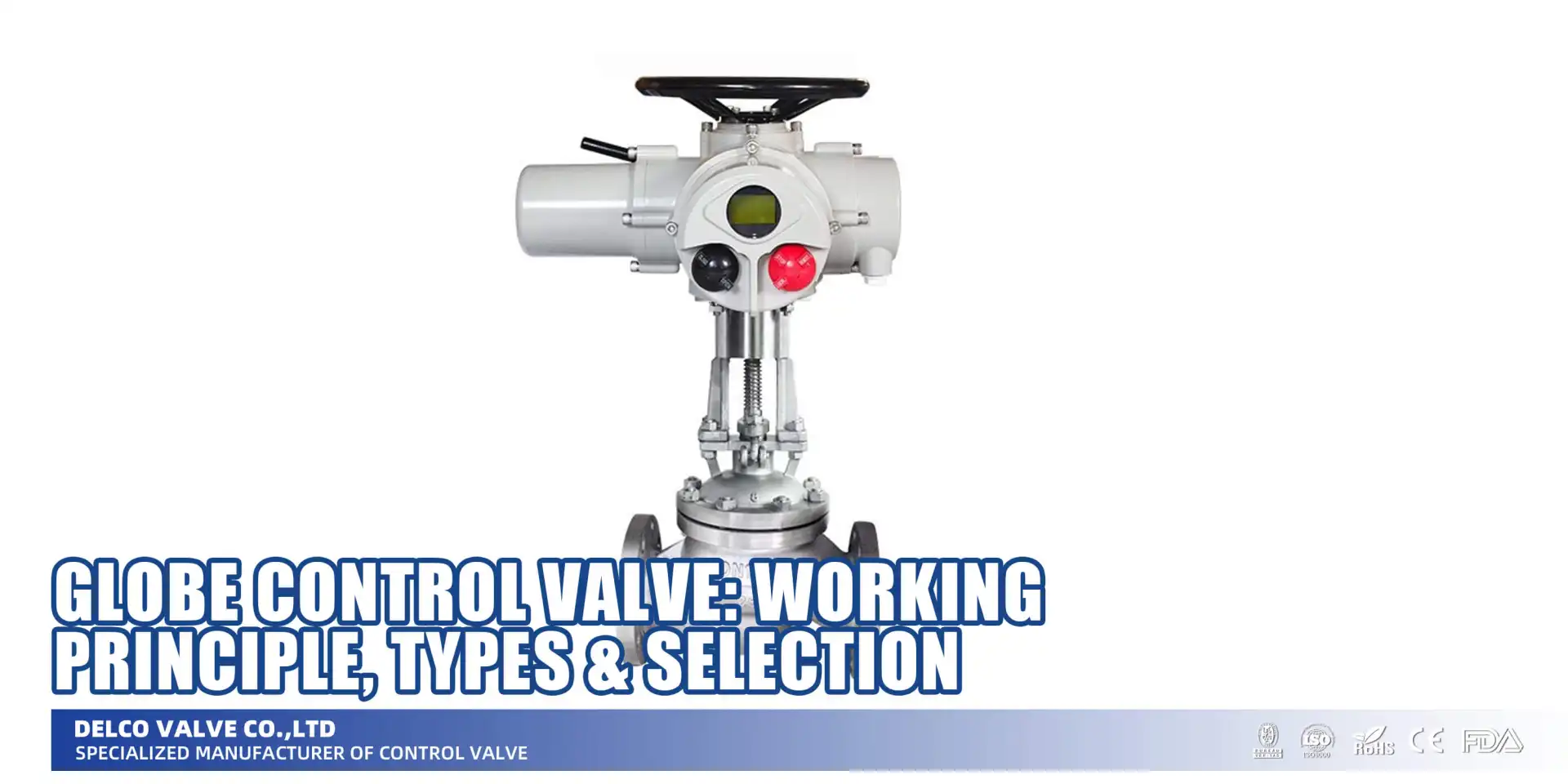
Globe Control Valve: Working Principle, Types & Selection Guide
Września 24, 2026
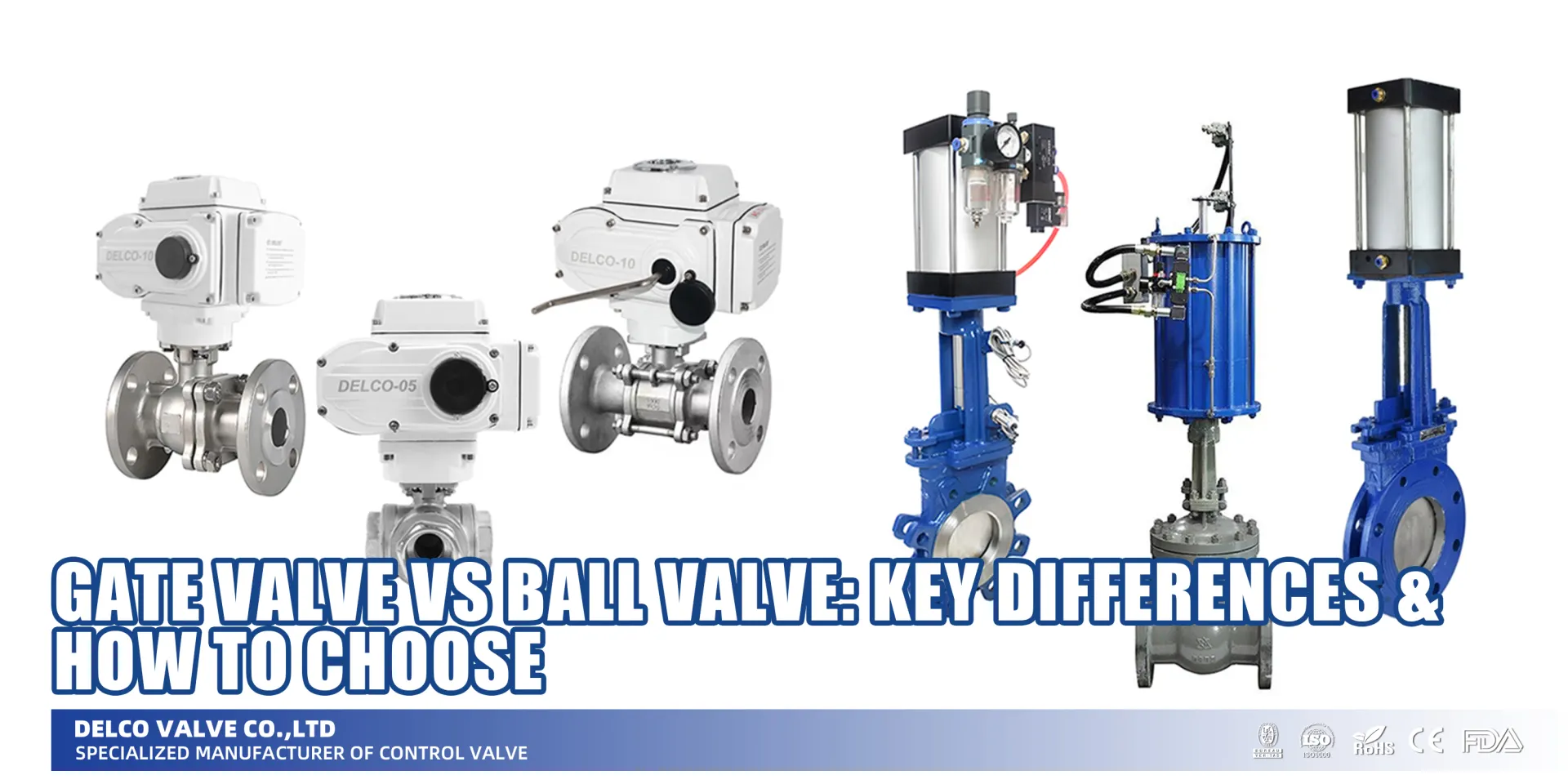
Zawór zasuwowy a zawór kulowy: kluczowe różnice i jak dokonać wyboru
Sierpnia 31, 2026
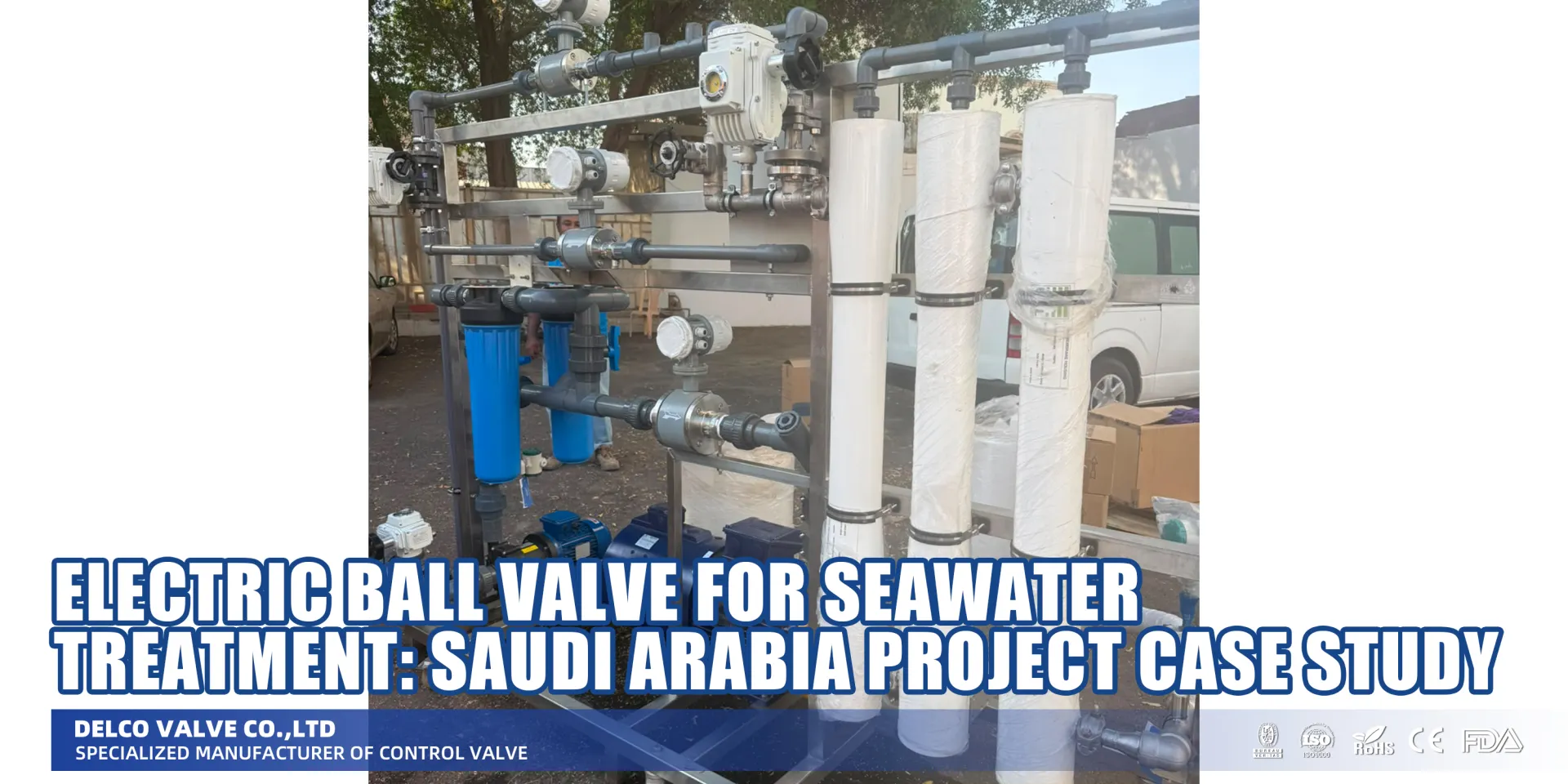
Elektryczny zawór kulowy do uzdatniania wody morskiej: studium przypadku projektu w Arabii Saudyjskiej
Sierpnia 26, 2026
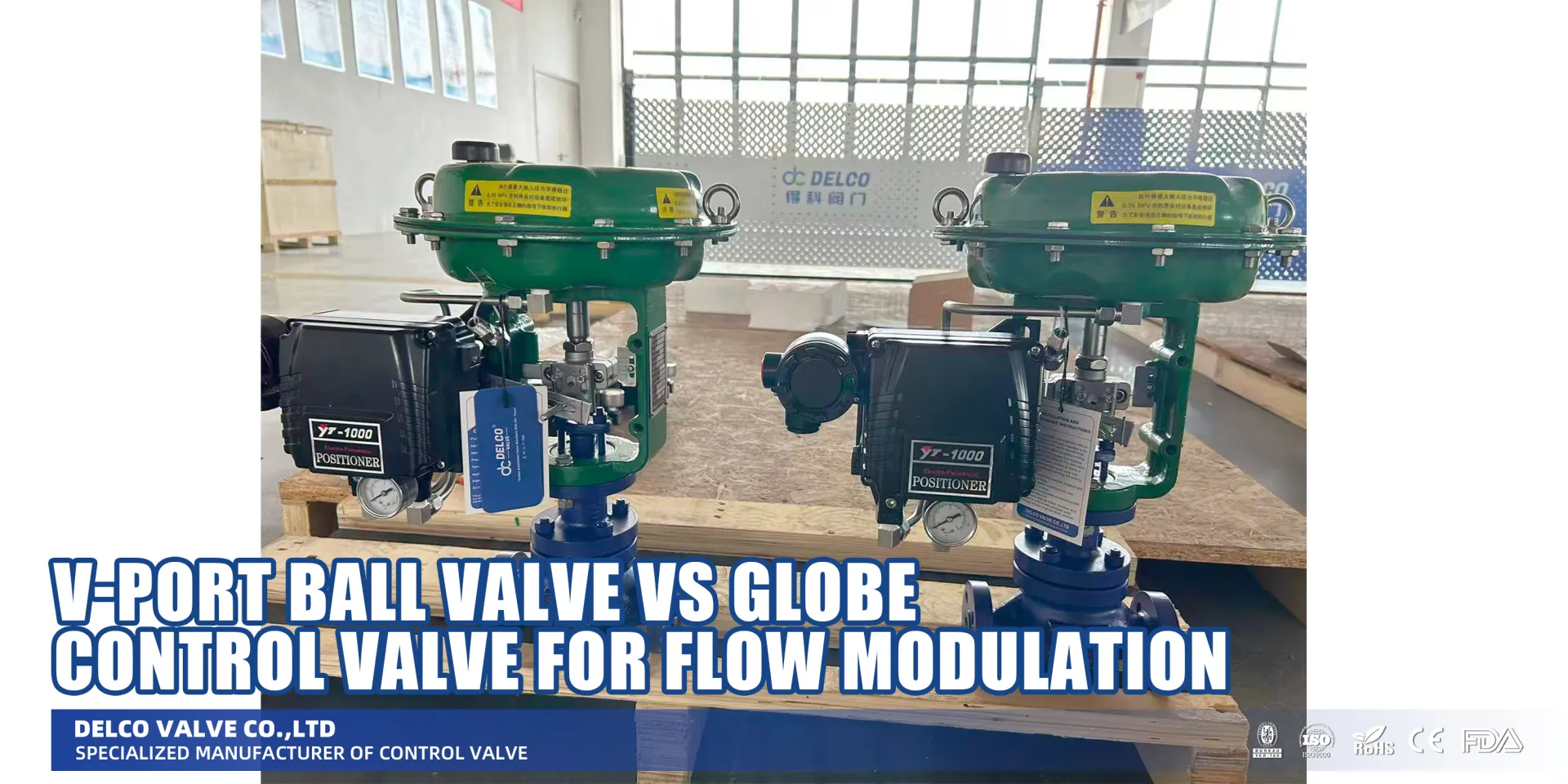
Zawór kulowy V-Port kontra zawór regulacyjny grzybkowy do modulacji przepływu
Sierpnia 22, 2026
In this guide, you'll learn everything about globe control valves — from how they work internally to how to select the right one for your process. Whether you're an engineer designing a new system or a procurement professional evaluating options, this guide will help you make confident decisions.
What Is a Globe Control Valve?
A globe control valve is a linear-motion valve specifically designed for precise regulation of flow, pressure, and temperature in industrial piping systems. It gets its name from the spherical shape of its body cavity, and it is widely recognized as the gold standard for throttling and modulating service.
Unlike simple on/off valves (such as gate or ball valves), a globe control valve is built to operate at any position between fully open and fully closed. This gives operators continuous, fine-tuned control over the process medium — whether it's steam, water, oil, gas, or chemical fluids.
Co sprawia, że jest to kontrola valve? A globe control valve is typically equipped with an aparat (pneumatic or electric) and a pozycjoner that receives signals from a control system (e.g., DCS or PLC). This allows it to automatically adjust to the exact valve position needed to maintain your setpoint — making it an essential component in any closed-loop process control system.
Globe control valves are used across virtually every industry that requires precision flow control, including oil & gas, power generation, chemical processing, water treatment, HVAC, marine, and pharmaceutical manufacturing.
Key Components of a Globe Control Valve
Understanding the internal structure of a globe control valve is essential for proper selection and maintenance. Here are the core components:
| Składnik | Funkcjonować |
|---|---|
| Ciało | The main pressure-containing shell. Its internal shape creates the characteristic Z-shaped (or S-shaped) flow path that enables superior throttling. Common materials include WCB carbon steel and CF8M stainless steel. |
| Pokrywa | Bolted or welded to the top of the body, the bonnet houses the packing and provides an access point for the stem. Designs include standard, extended (for high/low temperature), and bellows-sealed (for zero fugitive emissions). |
| Plug (Disc) | The core regulating element. As the plug moves linearly toward or away from the seat, it changes the flow area. Plug profiles (parabolic, V-port, contoured) determine the valve's flow characteristic. |
| Pierścień podsiodłowy | A precision-machined ring that forms the sealing surface against the plug. The seat-plug interface is where flow control and shut-off actually happen. |
| trzon | A rod that connects the actuator to the plug, transmitting linear motion. The stem passes through the bonnet and packing assembly. |
| Pakowanie | Sealing material (typically PTFE or graphite) compressed around the stem to prevent process fluid from leaking to the atmosphere. |
| Siłownik | The "muscle" of the control valve. Actuators can be pneumatic (diaphragm or piston), electric (motorized), or manual (handwheel). They provide the force to position the plug precisely. |
| Pozycjoner | An intelligent device mounted on the actuator that receives the control signal (typically 4–20 mA) and ensures the valve reaches the exact commanded position — compensating for friction, pressure changes, and other disturbances. |
DELCO Porada Pro: When evaluating a globe control valve, pay close attention to the plug-seat design — this is where performance differences between manufacturers become most apparent. A well-engineered trim set (plug + seat) directly impacts control accuracy, leakage class, and service life.
How Does a Globe Control Valve Work?
The working principle of a globe control valve is based on the linear motion of a plug against a stationary seat inside a Z-shaped flow path.
Podstawowy mechanizm
- Wejście sygnału: The control system sends a signal (e.g., 4–20 mA or 3–15 psi) to the valve positioner.
- Actuator response: The positioner directs air pressure (pneumatic) or electric current (electric) to the actuator, which moves the valve stem up or down.
- Plug movement: The stem carries the plug in a linear stroke — lifting it away from the seat (opening) or pressing it against the seat (closing).
- Regulacja przepływu: The annular gap between the plug and seat determines how much fluid can pass through. A larger gap = more flow; a smaller gap = less flow.
This linear relationship between stem travel and flow area is what gives globe control valves their exceptional repeatability and control precision.
The Z-Shaped Flow Path
One of the defining features of a globe valve is its internal flow path. Unlike a gate valve (where fluid flows straight through), a globe valve forces the fluid to change direction twice — creating a Z-shaped or S-shaped path through the body.
Dlaczego to ma znaczenie?
- ✅ Korzyść: This tortuous path creates a natural resistance zone at the plug-seat area, which gives the valve excellent throttling capability and allows for very precise flow modulation.
- ⚠️ Kompromis: The two changes in direction cause a higher pressure drop compared to full-bore valves like gate or ball valves. This is an inherent design characteristic, not a defect.
Charakterystyka przepływu
The relationship between valve travel (how far the plug moves) and flow rate is called the charakterystyka przepływu. Globe control valves typically offer three options:
| Charakterystyka | Zachowanie | Najlepsze dla: |
|---|---|---|
| Liniowy | Flow changes proportionally with stem travel | Liquid level control, systems with constant pressure drop |
| Równy procent | Each increment of travel produces an equal percentage change in flow | Most process control applications (temperature, pressure, flow) — this is the most commonly specified characteristic |
| Szybkie otwieranie | Large flow change at low travel, then flattens | On/off or safety relief applications |
In most industrial applications, the equal percentage characteristic is preferred because it provides stable control across a wide operating range — particularly when the pressure drop across the valve varies with load.
Understanding Cv (Flow Coefficient)
The flow capacity of a globe control valve is expressed as Cv — the number of US gallons per minute of water at 60°F that will flow through the valve with a pressure drop of 1 psi.
The basic sizing formula for liquids is:
Cv=QΔPGf
Gdzie:
- Q = Flow rate (US GPM)
- G_f = Specific gravity of the fluid (water = 1.0)
- P = Spadek ciśnienia na zaworze (psi)
Ważne: A properly sized valve should operate in the 20%–80% travel range under normal conditions. Oversized valves cause unstable control; undersized valves limit capacity. If you need help with Cv calculations, skontaktuj się DELCO engineers for free sizing assistance.
Types of Globe Control Valves
Globe control valves can be classified by wzór ciała (how the flow path is shaped) and by metoda aktywacji (how the valve is driven).
By Body Pattern
1. T-Pattern (Z-Pattern) Globe Valve
The most common design. The inlet and outlet are aligned horizontally, and the plug moves perpendicular to the flow path. The fluid follows a Z-shaped or S-shaped route through the body.
- Plusy: Excellent throttling, well-proven, wide range of sizes and pressure classes
- Wady: Highest pressure drop of the three patterns
- Najlepszy dla: General-purpose flow and pressure control in most industries
2. Angle Pattern Globe Valve
The inlet and outlet are oriented at stopni 90 to each other. The fluid changes direction only once, and the plug is in line with one of the ports.
- Plusy: Handles pulsating flow and slugging, eliminates the need for a separate elbow fitting
- Wady: Limited to applications where a 90° turn is acceptable in the piping layout
- Najlepszy dla: Pulsating flow conditions, boiler blowdown, applications requiring a directional change
3. Y-Pattern Globe Valve
The stem and seat are angled (typically 45°) relative to the body axis, creating a smoother, more streamlined flow path.
- Plusy: Significantly lower pressure drop, can be used for throttling and isolation
- Wady: Slightly more complex design, larger physical footprint
- Najlepszy dla: High-pressure applications, pipelines where minimizing pressure loss is critical
| Cecha | T-Pattern | Wzór kąta | Y-Pattern |
|---|---|---|---|
| Ścieżka przepływu | W kształcie litery Z | Single 90° turn | Przekątna |
| Spadek ciśnienia | Wysoki | Średni | Niski |
| Dławienie | Doskonały | Dobry | Dobry |
| Powszechne zastosowanie | Kontrola ogólna | Przepływ pulsujący | High-pressure, low-loss |
By Actuation Method
Pneumatyczny zawór sterujący kulą ziemską
Driven by compressed air through a diaphragm or piston actuator. Pneumatic globe control valves are the Najszerzej stosowane type in process industries.
- Fast response time, ideal for high-frequency modulation
- Inherently explosion-proof — no electrical components in hazardous areas
- Available with fail-safe action (fail-open or fail-close on air loss)
- Supports smart positioners with HART/Fieldbus communication
👉 Odkrywaj DELCO Pneumatyczne zawory kulowe
Elektryczny zawór sterujący kulowy
Driven by an electric motor (multi-turn or linear actuator). Electric globe control valves are ideal for applications requiring precise positioning and digital integration.
- Accurate position control with 4–20 mA input
- LCD display for real-time feedback on valve status
- Easy integration with DCS/PLC systems
- No compressed air supply required
- Available in sizes from DN15 to DN1200
???? Eksploruj DELCO Elektryczne zawory sterujące kulowe
Ręczny zawór kulowy
Operated by a handwheel that rotates the stem to raise or lower the plug. Manual globe valves are used where automated control is not required but fine flow adjustment is still needed.
- Proste, niezawodne i ekonomiczne
- Ideal for bypass lines, utility systems, and infrequent adjustments
- Available in standard, bellows-sealed, and cryogenic configurations
???? Eksploruj DELCO Zawory kulowe ręczne
Konfiguracje specjalne
- Bellows Seal Globe Valve: Features a metal bellows around the stem for zero fugitive emissions. Essential for toxic, volatile, or expensive media. 👉 DELCO Zawory z uszczelnieniem mieszkowym
- Marine Globe Valve: Built to maritime classification society standards (DNV, BV, CCS) for shipboard fuel oil, cooling water, and steam systems. 👉 DELCO Zawory kulowe morskie
- Cryogenic Globe Valve: Extended bonnet design to protect packing and actuator from extreme low temperatures.
- High-Pressure Forged Globe Valve: Forged body for demanding pressure classes (Class 900–2500).
Globe Valve vs. Ball Valve vs. Gate Valve
Jedno z najczęściej zadawanych nam pytań brzmi: "Should I use a globe valve, a ball valve, or a gate valve?" The answer depends entirely on your application's primary requirement.
| Cecha | Zawór kulowy | Zawór kulowy | Zasuwa |
|---|---|---|---|
| Podstawowa funkcja | Throttling & modulation | Fast on/off switching | Full-bore isolation |
| Regulacja przepływu | ⭐⭐⭐⭐⭐ Doskonały | ⭐⭐ Ograniczone | ⭐ Niezalecane |
| Spadek ciśnienia | Higher (Z-shaped path) | Low (full bore) | Very low (full bore) |
| Shut-off sealing | Good (metal or soft seat) | Excellent (soft seat) | Good (metal seat) |
| Szybkość reakcji | Moderate (linear stroke) | Fast (90° rotation) | Slow (multi-turn) |
| Odporność na kawitację | Good (with anti-cavitation trim) | Słaby | Słaby |
| Typowe rozmiary | DN15–DN400 | DN15–DN1200 | DN50–DN1200 |
| Koszty: | Umiarkowany–wysoki | Niski–umiarkowany | Niski |
| Najlepiej nadaje się do | Pętle sterowania procesem | Pipeline isolation, emergency shut-off | Mainline isolation |
Bottom Line
- Choose a globe control valve gdy Twoja aplikacja tego wymaga precise, continuous flow regulation — such as temperature control, pressure reduction, or flow modulation.
- Choose a ball valve kiedy potrzebujesz fast, reliable on/off isolation with minimal pressure drop.
- Choose a gate valve kiedy potrzebujesz full-bore isolation in large pipelines and will not use the valve for throttling.
Uwaga: Using a gate valve or ball valve for throttling service will cause premature wear, seat damage, and unreliable control. For modulating applications, a globe control valve is the right engineering choice.
How to Select the Right Globe Control Valve
Selecting the right globe control valve requires a systematic approach. Here's a step-by-step framework used by process engineers:
Krok 1: Określ warunki procesu
Before anything else, gather these critical parameters:
- Medium: What fluid will flow through the valve? (Water, steam, oil, gas, corrosive chemicals?)
- Zakres temperatur: Temperatura pracy i maksymalna
- Zakres ciśnienia: Inlet pressure, outlet pressure, and differential pressure (ΔP)
- Zakres przepływu: Maximum, minimum, and normal flow rates
- Required control accuracy: How precisely do you need to regulate the process variable?
Step 2: Size the Valve (Calculate Cv)
Using the Cv formula and your process conditions, determine the required flow coefficient. Most manufacturers (including DELCO) provide sizing software or engineering support for this step.
Key rules of thumb:
- The valve should operate between 20% and 80% open at normal conditions
- Select a valve where the calculated Cv falls within 60–70% of the valve's rated Cv
- Avoid oversizing — an oversized valve operates near the seat, causing instability and accelerated wear
Krok 3: Wybierz odpowiednie materiały
Material selection depends on the medium, temperature, and pressure:
| Zastosowanie | Zalecany materiał korpusu | Recommended Trim Material |
|---|---|---|
| Water / Steam (≤425°C) | Stal węglowa WCB | 316 Stainless Steel |
| żrące chemikalia | CF8M (316 SS) or CF3M (316L SS) | Hastelloy C / Monel |
| Wysoka temperatura (>425°C) | WC9 Chrome-Moly Steel | Stellite Overlay |
| Cryogenic (down to -196°C) | LCB / LCC Low-Temp Carbon Steel | 316 SS |
| Seawater / Marine | Bronze / Duplex SS | Duplex SS / Monel |
Step 4: Choose the Actuation Method
| Czynnik | Wybierz Pneumatyczne | Choose Electric |
|---|---|---|
| Szybkość reakcji | Fast response needed | Moderate response OK |
| Strefa niebezpieczna | ATEX zones (inherently safe) | Requires Ex-rated motor |
| Air supply available | Tak | Nie |
| Integracja cyfrowa | Via smart positioner (HART) | Direct 4–20 mA / Modbus |
| Fail-safe required | Spring-return (fail-open/close) | Battery backup or spring-return |
| Cykl pracy | High-frequency modulation | Umiarkowana jazda na rowerze |
Step 5: Specify Leakage Class and Standards
- ANSI/FCI 70-2 Leakage Classes: From Class II (general service) to Class VI (bubble-tight, soft seat) — select based on how critical zero leakage is for your process
- Obowiązujące normy: API 623, API 624, ASME B16.34, IEC 60534
- Certyfikaty: ATEX, SIL (Safety Integrity Level) for safety-critical applications
Lista kontrolna wyboru
✅ Process medium defined
✅ Temperature & pressure range confirmed
✅ Cv calculated and valve sized
✅ Body and trim materials selected
✅ Actuation method determined
✅ Fail-safe action specified
✅ Leakage class selected
✅ End connections confirmed (flanged, threaded, welded)
✅ Applicable standards and certifications verified
Need Help with Selection? DELCO Valves offers free technical consultation and valve sizing support. Our engineers can recommend the optimal globe control valve configuration for your specific application. Contact us for a free sizing consultation →
Typowe zastosowania według branży
Globe control valves are found wherever precise flow regulation is required. Here are the most common applications:
🏭 Oil & Gas / Petrochemical Flow and pressure control in refinery process units, reactor temperature regulation, compressor anti-surge control, and fuel gas pressure reduction.
⚡ Generowanie energii Boiler feedwater control, desuperheater spray water regulation, turbine bypass, and main steam pressure control — where reliability under high temperature and pressure is critical.
💧 Water & Wastewater Treatment Chemical dosing control, filter backwash regulation, and distribution pressure management — requiring corrosion-resistant materials and stable low-flow performance.
🌡️ HVAC & Building Systems Chilled/hot water flow regulation in air handling units, heat exchanger temperature control, and central plant balancing — where energy efficiency depends on precise modulation.
🚢 Przemysł morski i stoczniowy Fuel oil supply regulation, cooling water control, and steam system management onboard vessels — built to classification society standards. 👉 See DELCO Zawory kulowe morskie
🧪 Pharmaceutical & Food Processing Precise flow control for clean-in-place (CIP) systems, sterile process media, and batch reactor temperature management — requiring hygienic design and FDA-compliant materials.
Wskazówki dotyczące konserwacji i rozwiązywania problemów
Regular maintenance extends valve life and maintains control accuracy. Here are the most common issues and how to address them:
Packing Leakage (Stem Leak) The most frequent maintenance issue. Tighten the packing gland bolts evenly. If leaking persists, replace the packing set. For zero-emission requirements, consider upgrading to a zawór kulowy z uszczelnieniem mieszkowym.
Seat Leakage (Internal Leak) Caused by erosion, corrosion, or debris trapped between the plug and seat. Lap (re-machine) the seating surfaces or replace the seat ring and plug. Specify hardened trim (Stellite) for erosive media.
Cavitation / Flashing Damage Pitting or material erosion on the plug and downstream body. This occurs when the pressure drops below the fluid's vapor pressure. Solutions include anti-cavitation trim, increasing downstream pressure, or selecting a valve with staged pressure reduction.
Actuator Issues For pneumatic valves: check air supply pressure, inspect diaphragm for tears, and recalibrate the positioner. For electric valves: verify power supply, check motor windings, and re-run auto-tuning on the actuator.
Sticking or Slow Response Often caused by packing over-tightened, stem corrosion, or positioner malfunction. Lubricate the stem, adjust packing torque, and recalibrate the positioner.
Wskazówka: Establish a preventive maintenance schedule — inspect packing and calibration every 6–12 months, and perform a full overhaul every 3–5 years depending on service severity. DELCO provides technical support and spare parts for all our globe control valve products. Request maintenance support →
Często Zadawane Pytania (FAQ)
Q: What is the difference between a globe valve and a control valve?
A: "Globe valve" refers to the projekt ciała — a valve with a spherical body and Z-shaped internal flow path. "Control valve" refers to the funkcjonować — a valve equipped with an actuator and positioner for automated flow regulation. A zawór sterujący kulowy combines both: it uses the globe body design with an actuator for precise, automated process control. Other valve body types (butterfly, ball) can also be used as control valves, but the globe design offers the best throttling performance.
Q: Why do globe valves have a higher pressure drop than ball or gate valves?
A: The Z-shaped flow path inside a globe valve forces the fluid to change direction twice. This creates turbulence and frictional resistance, resulting in a higher pressure drop. However, this is a deliberate design feature — the controlled restriction at the plug-seat area is exactly what gives globe valves their superior throttling capability. If pressure drop is a concern, consider a Y-pattern globe valve, which provides a smoother flow path with significantly lower resistance.
Q: When should I choose a globe control valve over a butterfly control valve?
A: Choose a globe control valve when you need: (1) precyzyjne dławienie at low-to-medium flow rates, (2) szczelne zamknięcie (ANSI Class V or VI leakage), (3) control in high-pressure or high-temperature applications, or (4) operation with high pressure differentials. Butterfly control valves are typically more cost-effective for large-diameter (>DN300), low-pressure applications where extreme precision is less critical.
Q: What does Cv mean, and why is it important for valve sizing?
A: Cv (flow coefficient) quantifies a valve's flow capacity. It represents the number of US gallons per minute of water at 60°F that will flow through the valve with a 1 psi pressure drop across it. Correct Cv calculation ensures the valve is neither oversized (causing instability and poor control near the seat) nor undersized (limiting process capacity). It's the single most important parameter in valve selection.
Q: Can a globe control valve be used for on/off service?
A: Technically yes — a globe control valve can fully open and fully close. However, it is over-engineered and more expensive for simple on/off duty. Zawory kulowe or zasuwy are more cost-effective for pure isolation service. The true value of a globe control valve lies in modulating and throttling applications where the valve must hold intermediate positions with precision.
Wniosek
The globe control valve remains the industry's preferred solution for precise flow regulation — and for good reason. Its linear motion design, versatile trim options, and compatibility with pneumatic and electric actuators make it the most reliable choice for throttling, modulating, and process control applications across every major industry.
However, the right valve is only as good as the engineering behind its selection. Choosing the correct body pattern, materials, Cv sizing, actuation method, and leakage class is critical to achieving long-term reliability and optimal process performance.
At DELCO Zawory, we manufacture a complete range of globe control valves — including pneumatic, electric, manual, bellows-sealed, and marine configurations — engineered for demanding industrial environments worldwide.
Ready to Find the Right Globe Control Valve for Your Application?
📥 Download Our Globe Control Valve Catalog
📞 Kontakt Our Engineers for Free Sizing & Selection Support
🔗 Przeglądaj Delco Full Globe Control Valve Product Range
Udostępnij w mediach społecznościowych:


- POPRZEDNI: Zawór zasuwowy a zawór kulowy: kluczowe różnice i jak dokonać wyboru
- NASTĘPNY: Nie NASTĘPNY
Kontakt
W tym artykule
Globe Control Valve: Working Principle, Types & Selection Guide
Września 24, 2026
Zawór zasuwowy a zawór kulowy: kluczowe różnice i jak dokonać wyboru
Sierpnia 31, 2026
Elektryczny zawór kulowy do uzdatniania wody morskiej: studium przypadku projektu w Arabii Saudyjskiej
Sierpnia 26, 2026
Zawór kulowy V-Port kontra zawór regulacyjny grzybkowy do modulacji przepływu
Sierpnia 22, 2026