



 Home /
Solenoid Valves
DELCO Solenoid Valves offer fast and reliable automated control for liquids and gases. Available in various voltages (12V, 24V, 110V, 220V) and materials, our electromagnetic valves are the perfect choice for on/off fluid switching in industrial automation.

Selection Manual


-
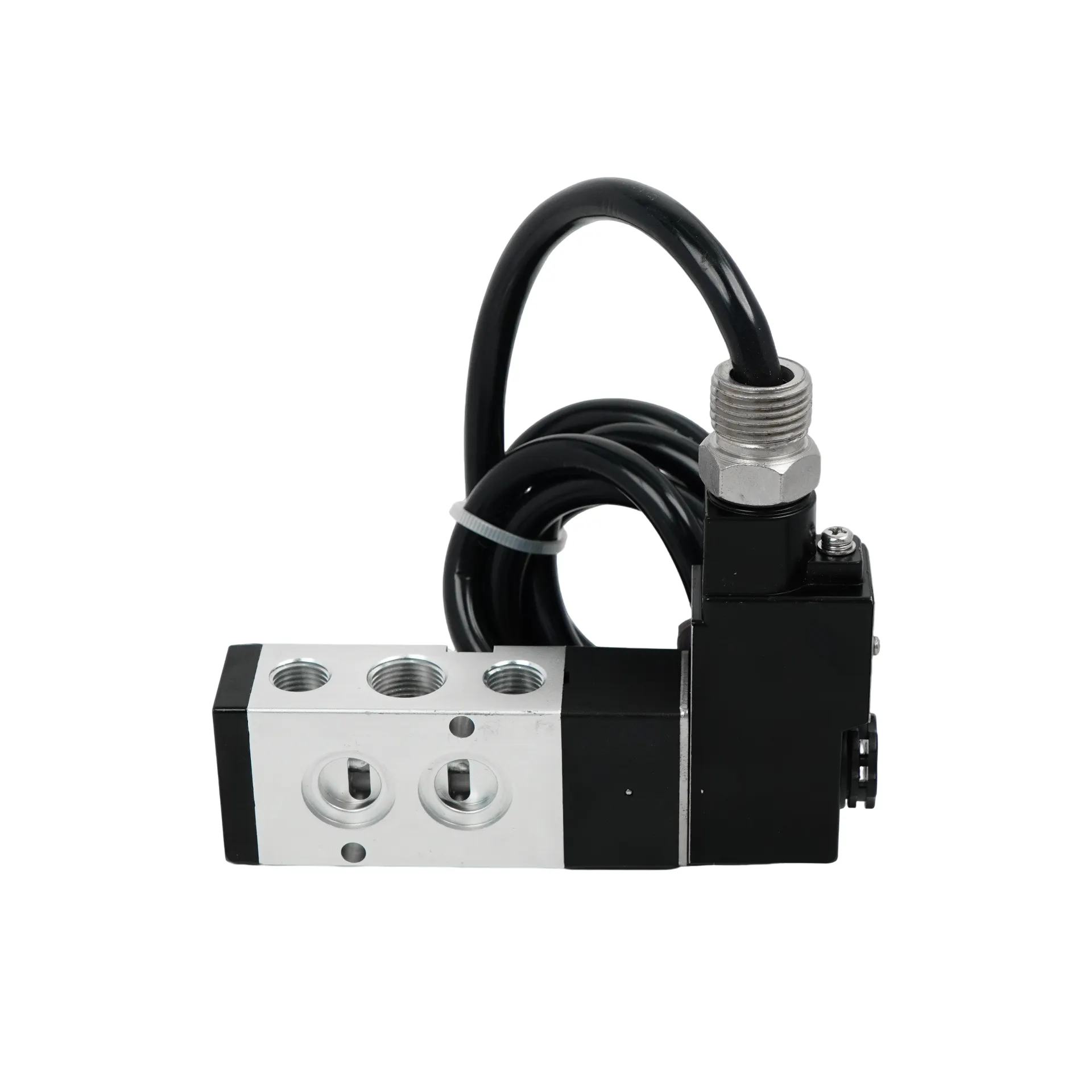
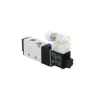
4M310-10 2/5 Way Ex-Proof Pneumatic Solenoid Valve (IP65, Aluminum, AC/DC 12–220V) | DELCO
 Matertial:Aluminum Alloy
Protection Grade:IP65
Voltage:AC/DC 12V/24V110V/220v
Matertial:Aluminum Alloy
Protection Grade:IP65
Voltage:AC/DC 12V/24V110V/220v
-
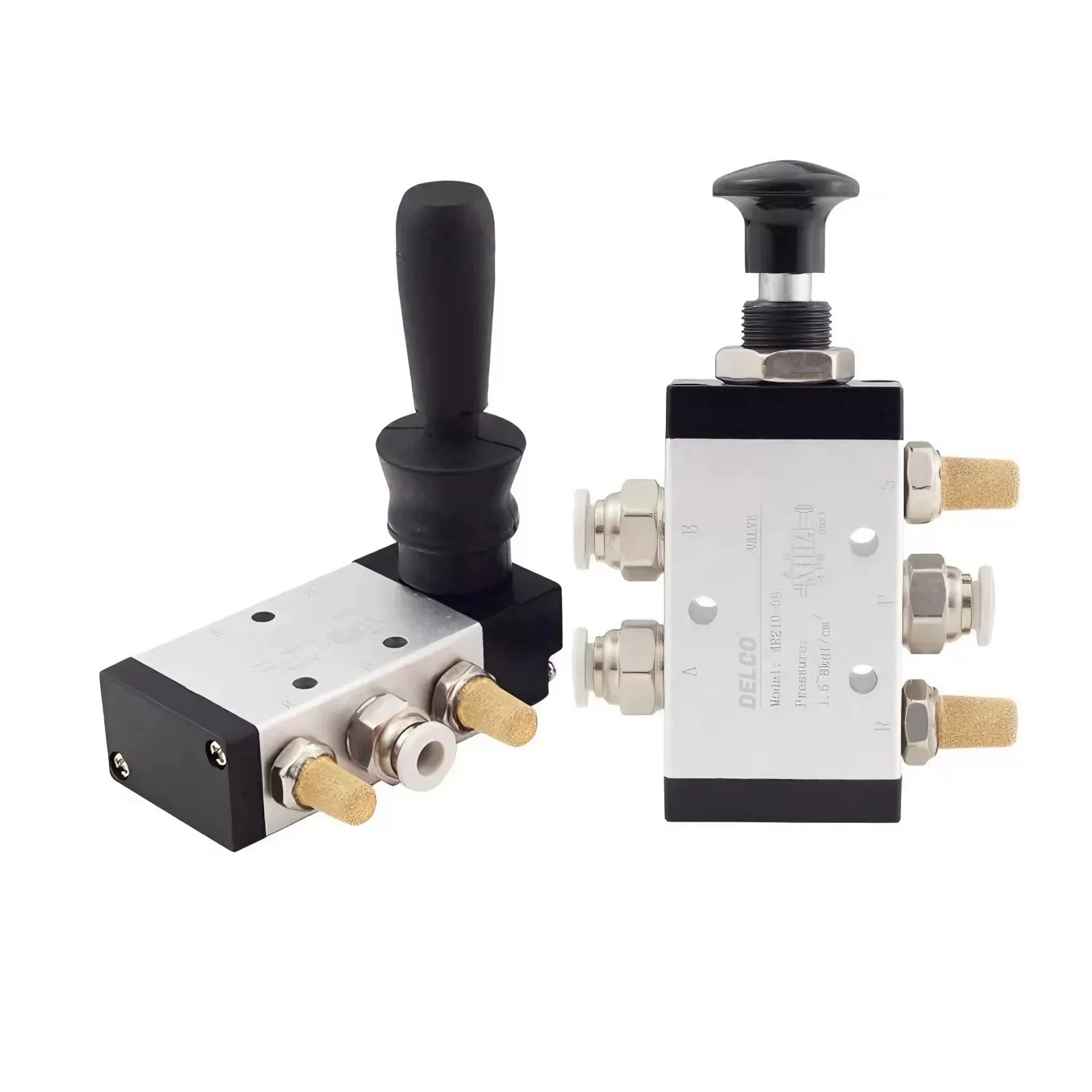
3H210 Pneumatic Directional Control Valve (Manual Lever, IP65, Aluminum Body, AC/DC 12–220V) | DELCO
Matertial:Aluminum Allo
Protection Grade: IP65
Voltage:AC/DC 12V/24V110V/220V
-
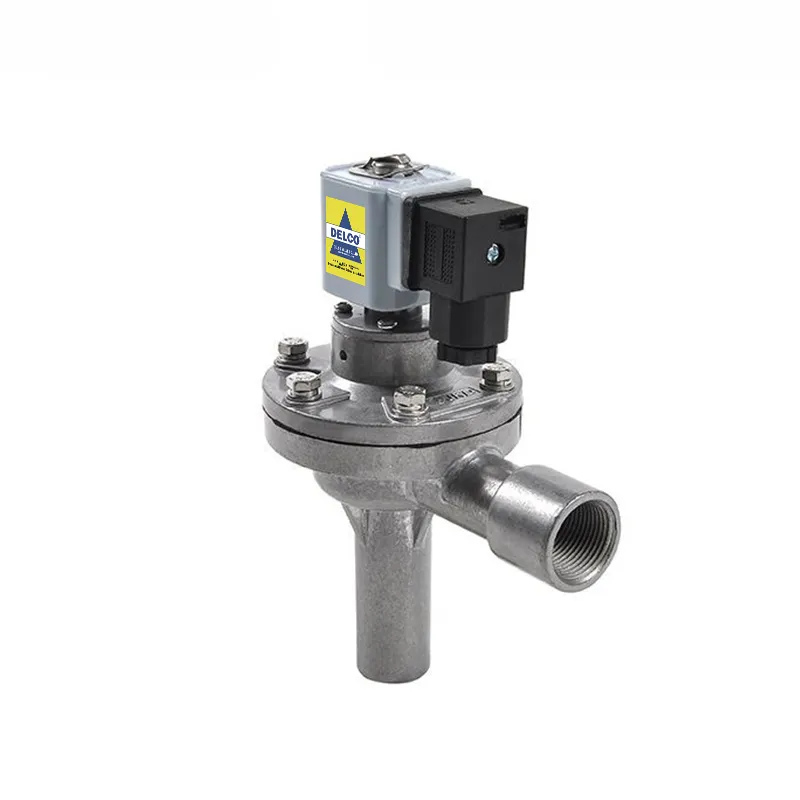
DMF-Y Compact Submerged Pulse Valve 20-40S | High Flow Dust Valve
Size Range: 20-40S
Pressure Range: 0.3-8 Bar
Max Temperature: 0-100℃
Voltage: AC110V/220V / DC24V
-
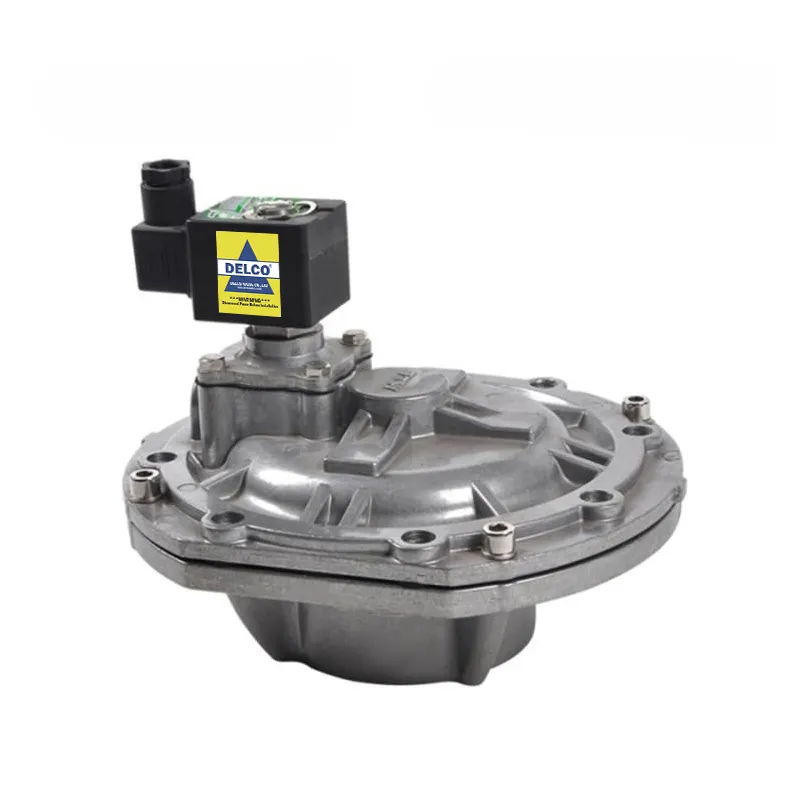
MCF-M Pulse Jet Solenoid Valve 15-102S | Baghouse Cleaning Valve
Size Range: 15-102S
Pressure Range: 0.3-8 Bar
Max Temperature: -5~55℃
Voltage: AC110V/220V / DC24V
-
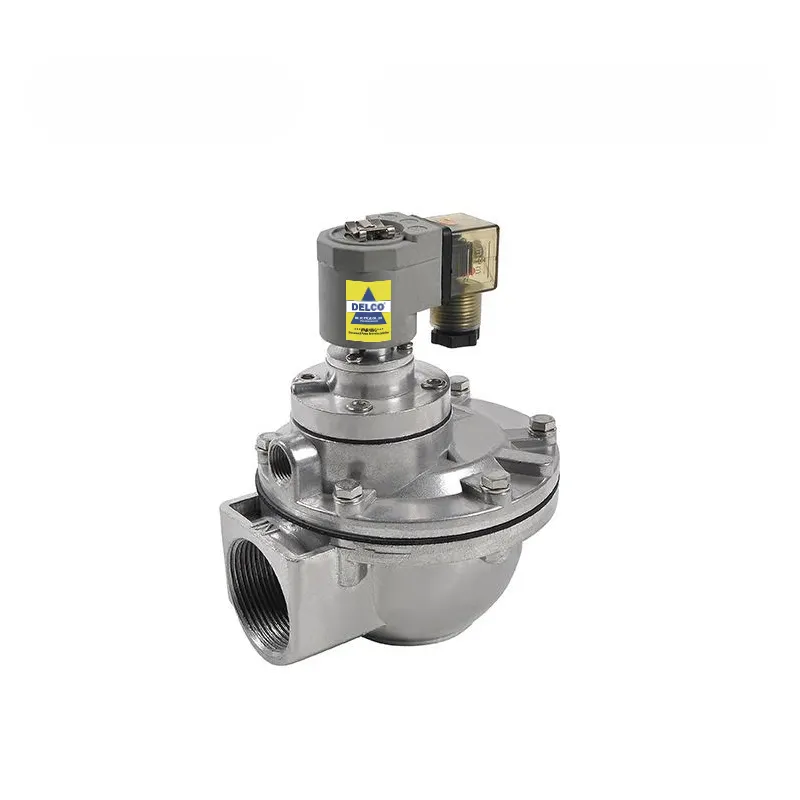
MCF-Z Right-Angle Pulse Solenoid Valve 15-102S | Dust Collector Parts
Size Range: 15-102S
Pressure Range: 0.3-8 Bar
Max Temperature:-5~55℃
Voltage: AC110V/220V / DC24V
-
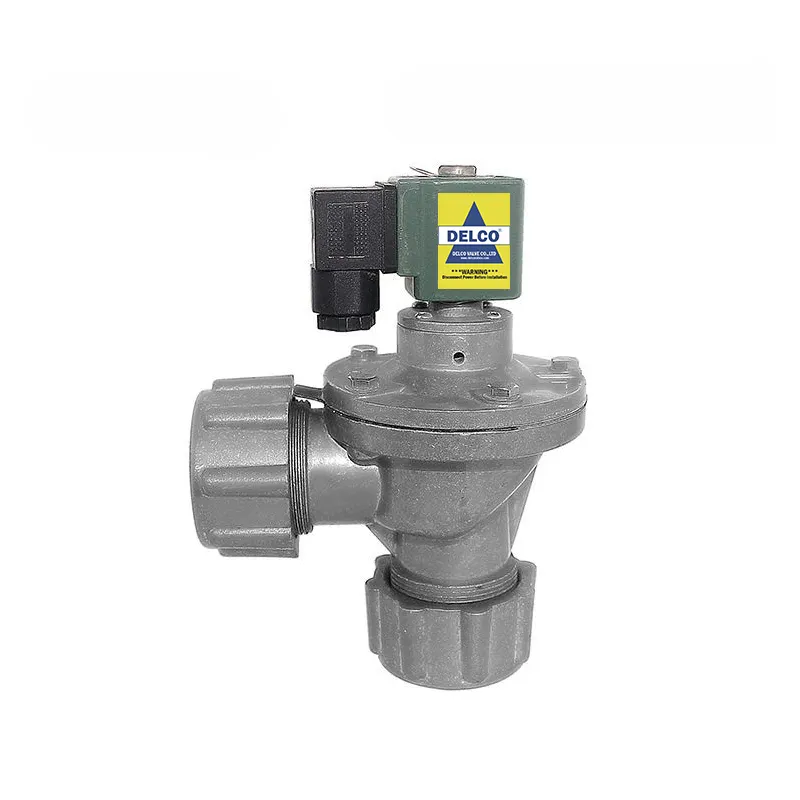
MCF-D In-Line Pulse Solenoid Valve 15-102S | Industrial Air Valve
Size Range: 15-102S
Pressure Range: 0.3-8 Bar
Max Temperature: -5-55℃
Voltage: AC110V/220V / DC24V
-
-1769269228889.webp)
DMF-Y Submerged Pulse Solenoid Valve 40-102S | High Flow Baghouse Valve
Size Range: 40-102S
Pressure Range: 0.3-8 Bar
Max Temperature: 0-100℃
Voltage: AC110V/220V / DC24V
-
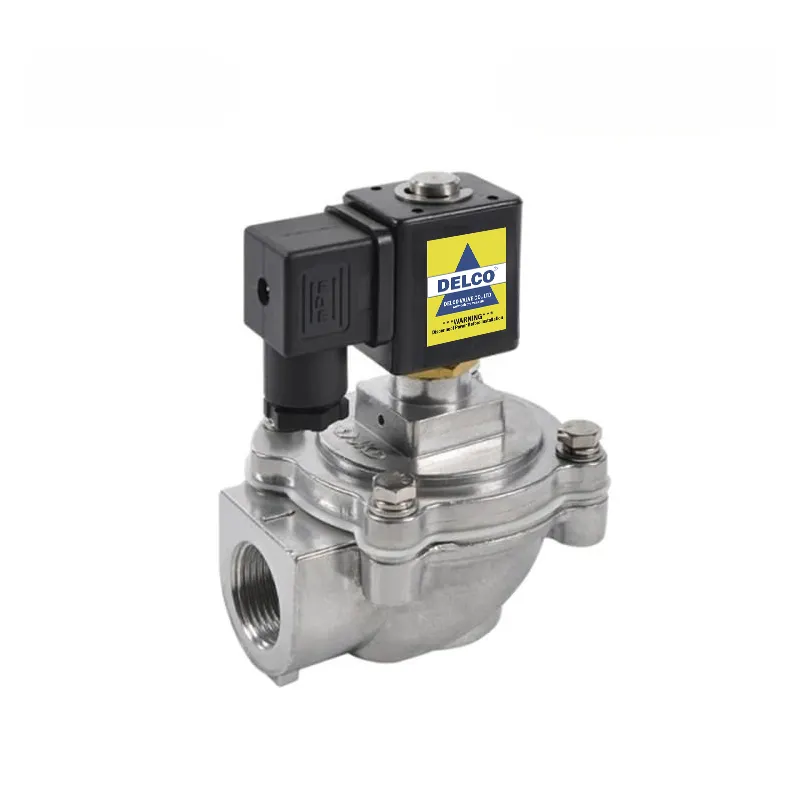
DMF-Z Right-Angle Pulse Solenoid Valve 20-76S | Dust Collector Parts
Size Range: 20-76S
Pressure Range: 0.3-8 Bar
Max Temperature: 0-100℃
Voltage: AC110V/220V / DC24V
-
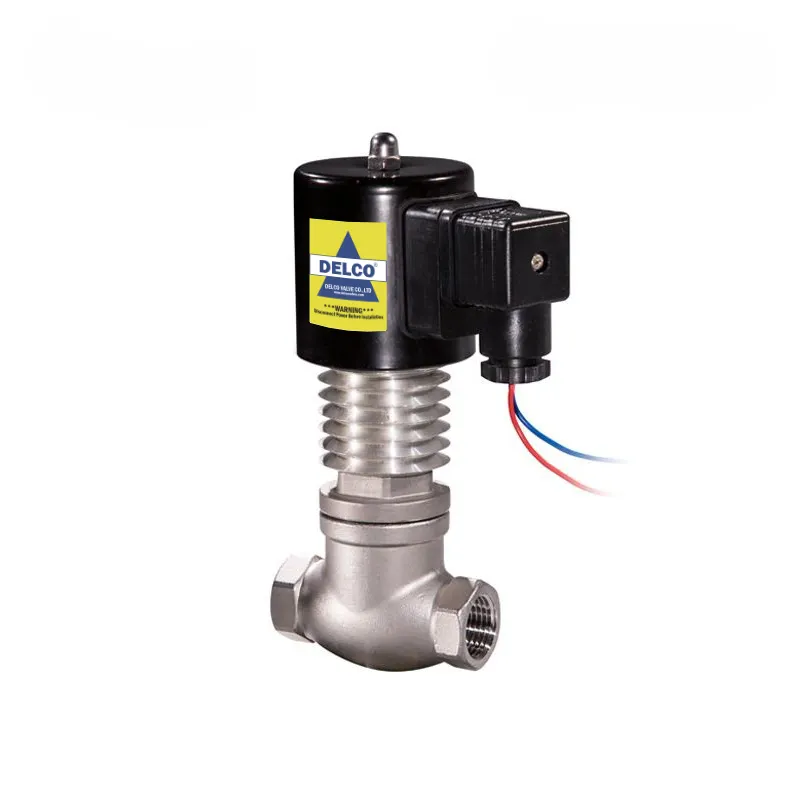
ZQDF SS Piston High Temp Steam Solenoid Valve DN15-DN100 200°C 40Bar | DELCO
Size Range: DN15-DN100
Pressure Range: 0.3-40Bar
Max Temperature: 200℃
Voltage: AC/DC 12V/24V110V/220V
-
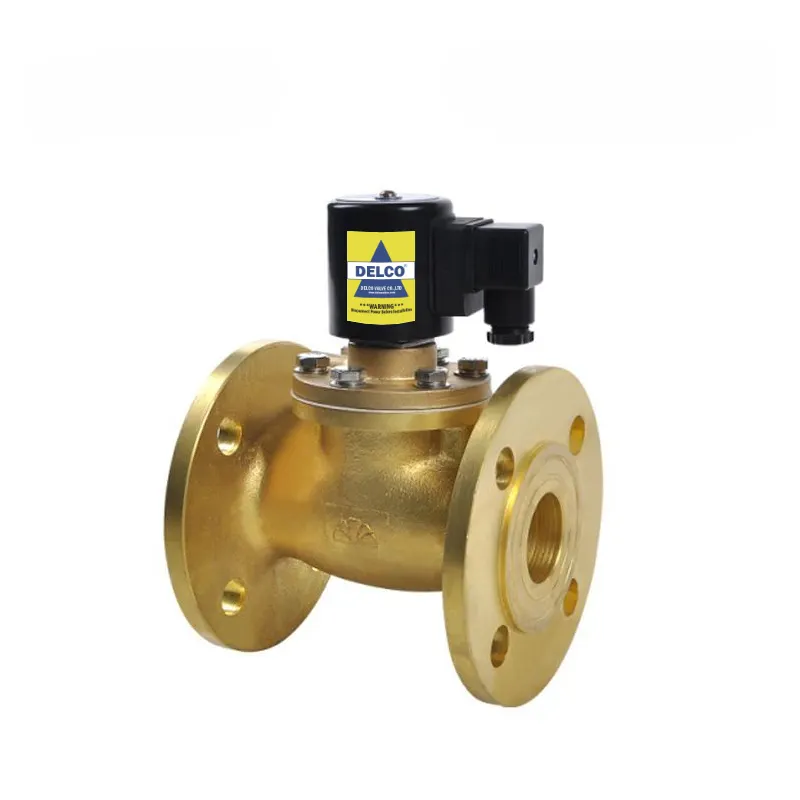
ZCZ Brass Flanged Steam Piston Solenoid Valve DN15-DN100 180°C | DELCO
Size Range: DN15-DN100
Pressure Range: 0.3-10 Bar
Max Temperature: 180℃
Voltage: AC/DC 12V/24V110V/220V
-
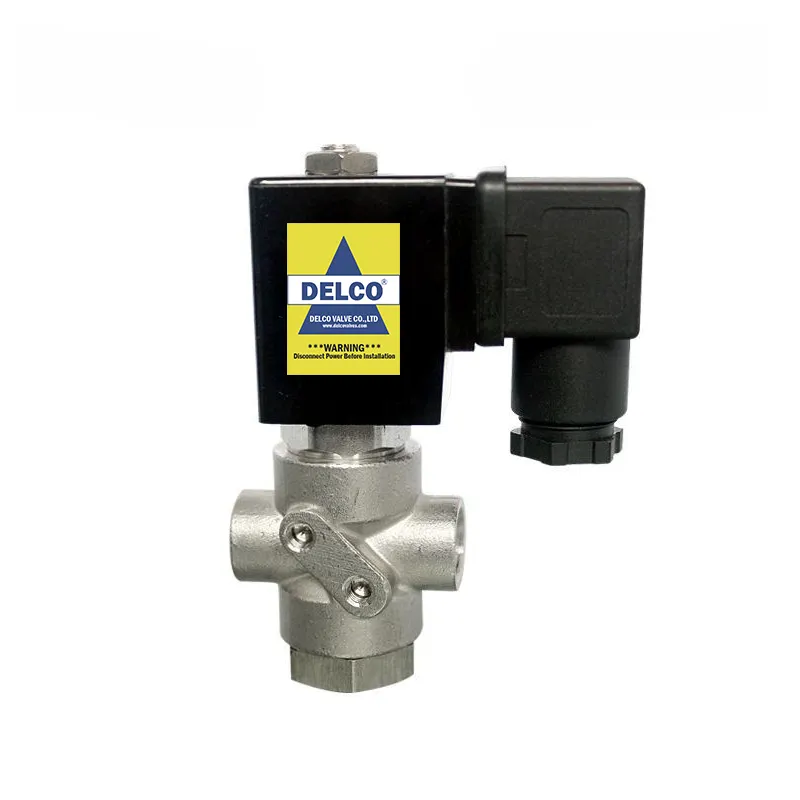
VG41-SS 3-Way Solenoid Valve DN06-DN08 0-16 Bar | DELCO
Size Range: DN06-DN08
Pressure Range: 0-16Bar
Thread Standard: G / BSPP / NPT
Voltage: AC/DC 12V/24V110V/220V
-
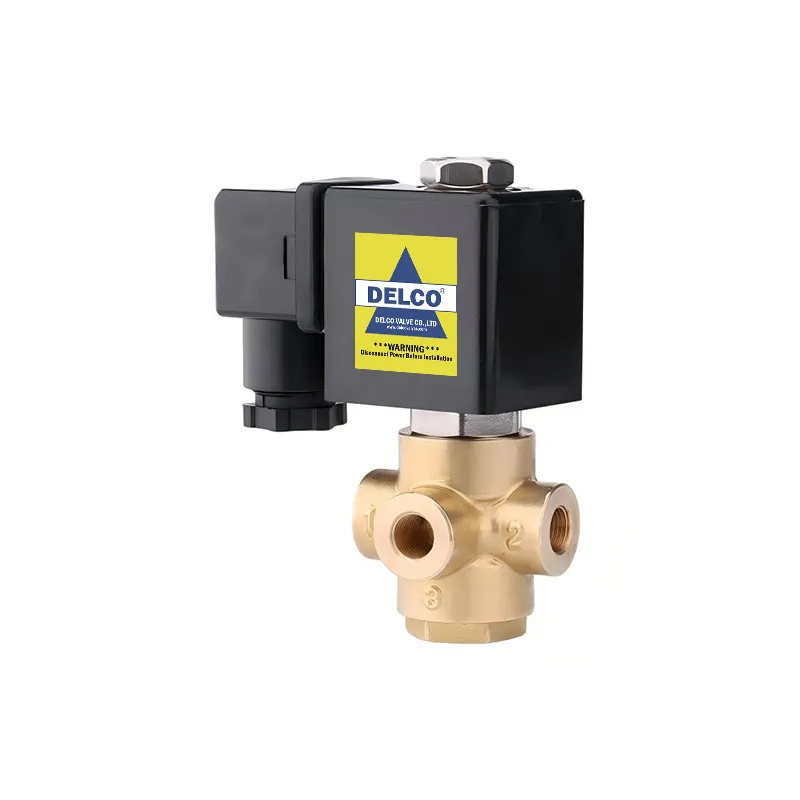
VG41 Brass 3-Way Solenoid Valve DN06-DN08 0-16 Bar | DELCO
Size Range: DN06-DN08
Pressure Range: 0-16Bar
Thread Standard: G / BSPP / NPT
Voltage: AC/DC 12V/24V110V/220V
What Are Solenoid Valves?
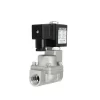
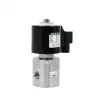
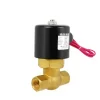
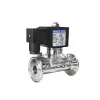
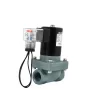
A Solenoid Valve is an electromechanical device used to control the flow of liquids or gases. It operates by using an electric current through a solenoid coil to create a magnetic field, which moves a plunger to open or close the valve orifice.
DELCO solenoid valves are known for their rapid response time, high reliability, and compact design. They are the essential "switch" in automated systems, allowing for remote, instantaneous control of media in piping systems ranging from water and air to aggressive chemicals and high-pressure steam.
|
|
|
|
|
|
|
|
|
|
Operates without requiring any minimum pressure differential. Ideal for small flow rates and vacuum applications where instant, reliable switching is critical. |
Utilizes a pressure differential to assist valve operation. Designed for high-flow systems, these valves provide powerful actuation with lower power consumption. |
Specially reinforced to handle extreme pressure environments (up to 100 bar or more). Perfect for CNG, high-pressure air, and hydraulic testing systems. |
Built with heat-resistant coils and seals (such as PTFE or PEEK). Engineered for steam, hot oil, and high-temperature thermal fluids. |
Used to control the direction of air in pneumatic cylinders and actuators. Available in 3/2, 5/2, and 5/3 way configurations for factory automation. |
Constructed from FDA-compliant materials like Stainless Steel 316L. Features smooth internal surfaces to prevent media buildup in beverage and pharma lines. |
Made from specialized plastics (PVC, PTFE, CPVC) or high-alloy metals. Specifically designed for handling aggressive acids, alkalis, and chemical dosing. |
High-flow, fast-opening valves designed for dust collector systems. They deliver a powerful "pulse" of air to clean filter bags in industrial filtration. |
-1776236620736-thumbnail.webp)
How Do They Work?
The operation of a DELCO Solenoid Valve centers on the interaction between an electric current and a magnetic plunger.
-
The Electromagnetic Action: When the solenoid coil is energized, it creates a magnetic field that pulls the internal plunger (core) upward or pushes it downward.
-
Opening and Closing:
-
In Direct-Acting models, the plunger directly opens or closes the main orifice.
-
In Pilot-Operated models, the plunger opens a small pilot hole, creating a pressure imbalance that uses the media's own energy to move a larger diaphragm or piston.
-
-
The Return: When the power is cut, the magnetic field collapses, and a mechanical spring returns the plunger to its original position (Normally Closed or Normally Open), immediately stopping or allowing the flow.
Key Components of a Solenoid Valve System:
-
The Solenoid Coil: The electrical component that converts electrical energy into mechanical magnetic force. DELCO coils are designed for 100% continuous duty.
-
The Plunger (Armature): The moving stainless steel component that responds to the magnetic field to actuate the seal.
-
The Valve Body: The pressure-retaining housing, available in Brass, Stainless Steel, or Engineering Plastics (PTFE/PVC) to suit different media.
-
The Seal (Diaphragm or Piston): The critical interface that prevents leakage, made from elastomers like NBR, EPDM, or FKM (Viton) based on chemical compatibility.
Why Use DELCO Solenoid Valves?
DELCO Solenoid Valves are preferred in automated systems because they offer:
-
Rapid Response Time: Capable of switching states in milliseconds, making them ideal for high-speed dosing, filling, and safety shut-off.
-
Compact Design: Their small footprint allows for installation in tight spaces where larger actuated valves cannot fit.
-
Versatility in Control: Available in multiple configurations including Direct-acting for zero-pressure systems and Pilot-operated for high-flow applications.
-
Specialized Durability: Whether it's our Anti-Corrosion series for acids or our Pulse Valves for dust collection, every valve is engineered to withstand specific industrial challenges.
Frequently Asked Questions (FAQ)
Q1: What is the difference between Direct-Acting and Pilot-Operated valves?
A: Direct-acting valves open/close regardless of pressure, making them ideal for low-pressure or gravity-fed systems. Pilot-operated valves require a minimum pressure differential (usually 0.5 bar) to work but can handle much larger flow rates and pipe sizes.
Q2: Does DELCO provide different voltage options for solenoid coils?
A: Yes. DELCO offers a wide range of AC and DC voltages, including 12VDC, 24VDC, 110VAC, and 220VAC, with various connector types like DIN or lead wire.
Q3: How do I choose the right seal material (NBR, EPDM, FKM)?
A: NBR is standard for air and water; EPDM is best for hot water and steam; FKM (Viton) is superior for oils and chemicals. DELCO can customize seals based on your media compatibility.
Q4: Are DELCO solenoid valves suitable for continuous duty?
A: Absolutely. Our high-quality coils are designed for 100% ED (Continuous Duty), ensuring the valve remains energized for long periods without overheating.
Industry Applications
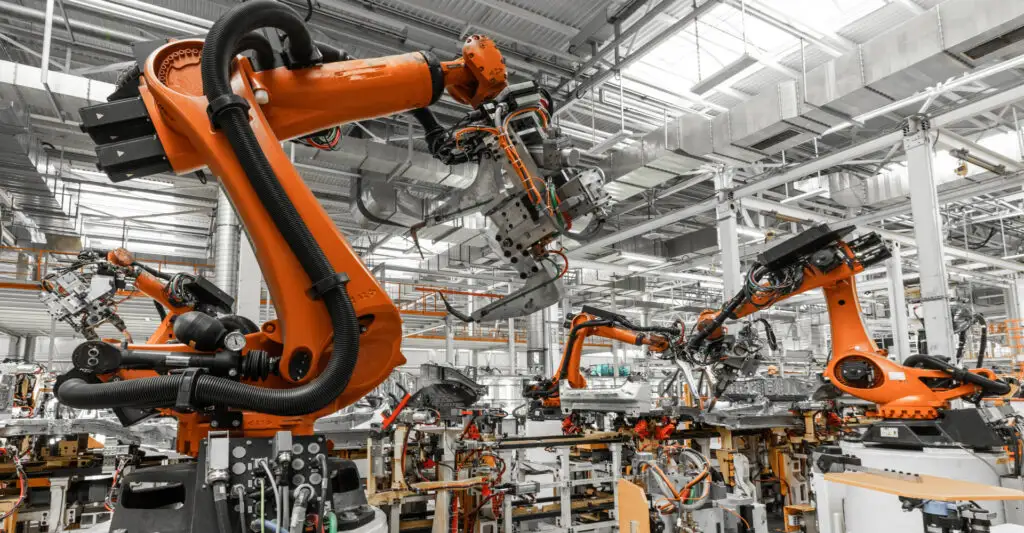

Engineering Selection by Application
Match valve design and actuator type with your industry needs.

| Selection Criteria | Options | Key Characteristics | Typical Applications |
| Operation | Direct Acting / Pilot Operated |
Direct: No pressure needed; Pilot: High flow capacity. |
Vacuum, Tank drainage, Large pipelines |
| Body Material | Brass / Stainless Steel / PVC / PTFE |
Brass: General purpose; SS: Food/Corrosive media; PTFE: Strong acids. |
Water, Pharma, Chemical dosing |
| Function | Normally Closed (NC) / Normally Open (NO) |
NC: Opens when energized; NO: Closes when energized. |
Safety shut-off, General automation |
| Pressure Range | Low / Standard / High (Up to 100bar) | High Pressure: Reinforced piston & seat for extreme PSI. | CNG, Hydraulic, High-pressure air |
| Temperature | Up to 80°C / 180°C / 250°C | High Temp: PTFE seals & class H insulated coils. | Steam systems, Heat exchangers |
| Connector | DIN Plug / Lead Wire / Explosion-proof | Explosion-proof: ATEX/IECEx rated for hazardous sites. | Oil & Gas, Paint booths, Refineries |

Get Engineering Support & OEM Solutions
-
 Quick valve sizing recommendations
-
ISO, CE, ATEX certified production
-
Datasheets and 3D drawings available
-
OEM branding & packaging services
-
Material & sealing customization (PTFE, EPDM, metal)
-
Explosion-proof & modulating actuator options