Home / Solution / Oil & Gas Valve Solutions: A Comprehensive Guide
Oil & Gas Valve Solutions: A Comprehensive Guide
Every oil and gas enquiry we receive comes down to one question: which valve, at which service point, handling which media. This guide works through that question location by location, from wellhead gathering lines to refinery process loops and tank farm vents. Everything below reflects configurations we manufacture, test, and ship as a valve and actuator manufacturer with 20+ years of production experience.
The Short Selection Summary
Ball valves: quick quarter-turn isolation, full bore for pigging, high-pressure flowline duty.
Gate valves: low pressure drop, full-bore isolation for infrequent operation.
Check valves: reverse-flow protection for pumps and compressors.
Materials: carbon steel (ASTM A216 WCB) for sweet hydrocarbons; 304/316 stainless for corrosive service; PTFE/PFA lining for aggressive chemicals; NACE MR0175 / ISO 15156 trim for sour service.
Actuator: electric where power exists but instrument air does not; pneumatic spring-return where plant air is available.
Four Environments, Four Sets of Rules
Oil and gas is not one industry from a valve's point of view. It is four. Upstream wellheads combine high pressure with sand-laden, sometimes sour media. Midstream pipelines add distance, pigging passages, and emergency shutdown logic. Refineries run hot and throttled around the clock. Tank farms concentrate flammable vapor in one place, which shifts the risk from the pipe to the vent. Each environment punishes a different mistake, so the sections below are organized by where the valve sits.
Upstream: Wellheads and Gathering Lines
Wellhead and gathering service is where pressure ratings earn their keep. Media arrives with sand, produced water, and in sour fields, H2S.
Selection Logic:
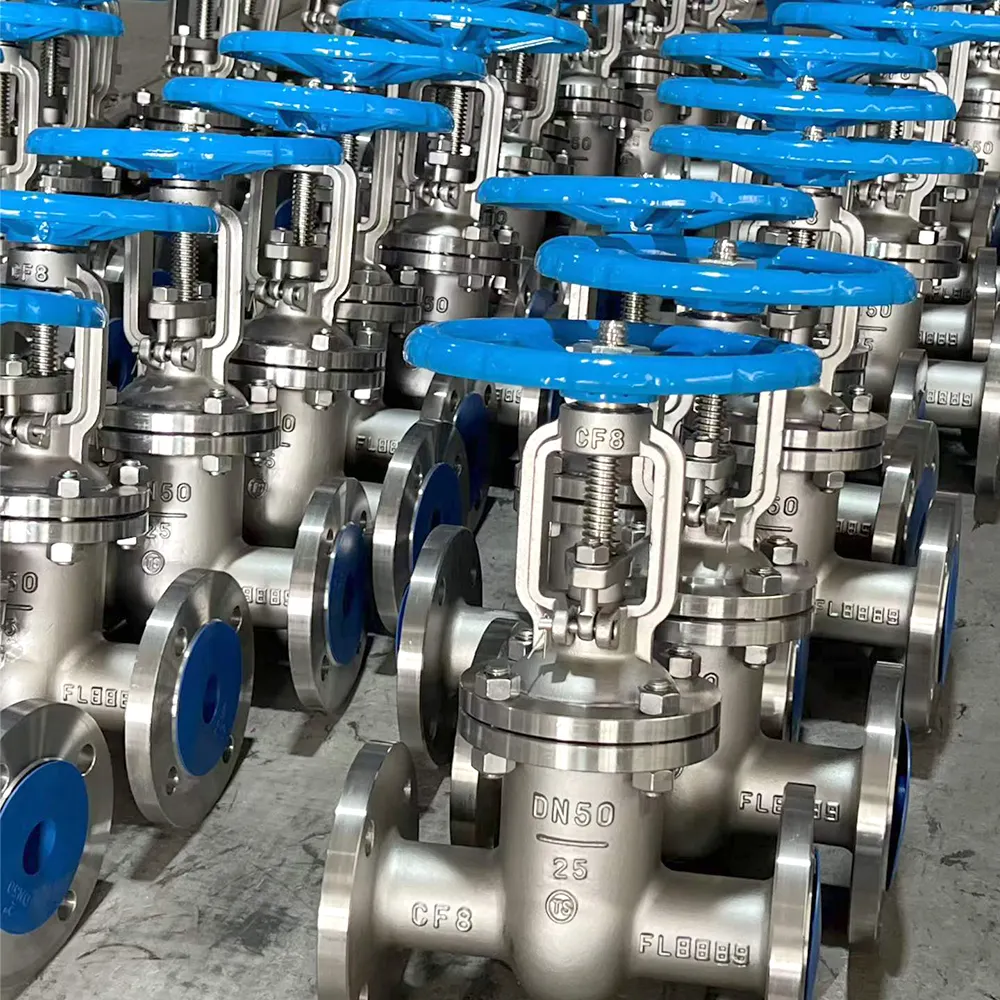
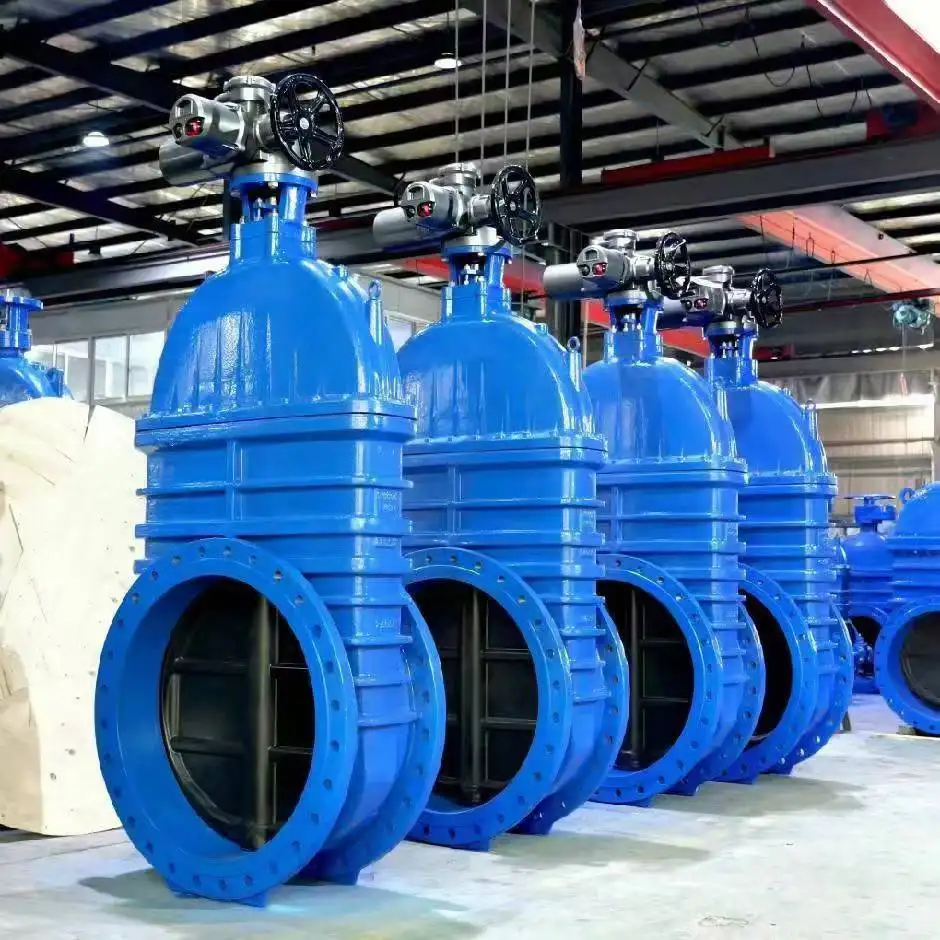
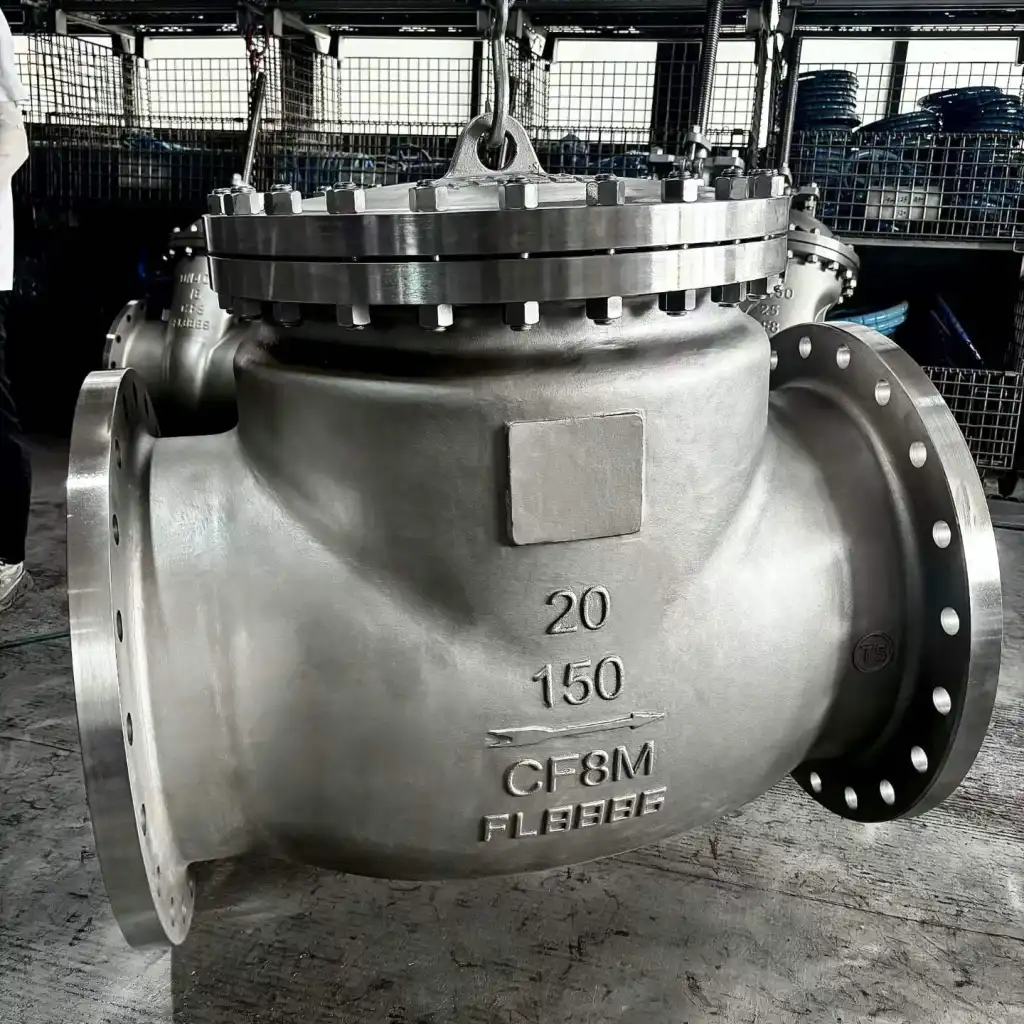
Routine isolation on gathering lines goes to gate valves (available as manual bare-shaft/gear or electric gate valves). They cycle rarely, give full bore with low pressure drop, and in carbon steel (ASTM A216 WCB) they handle sweet crude economically.
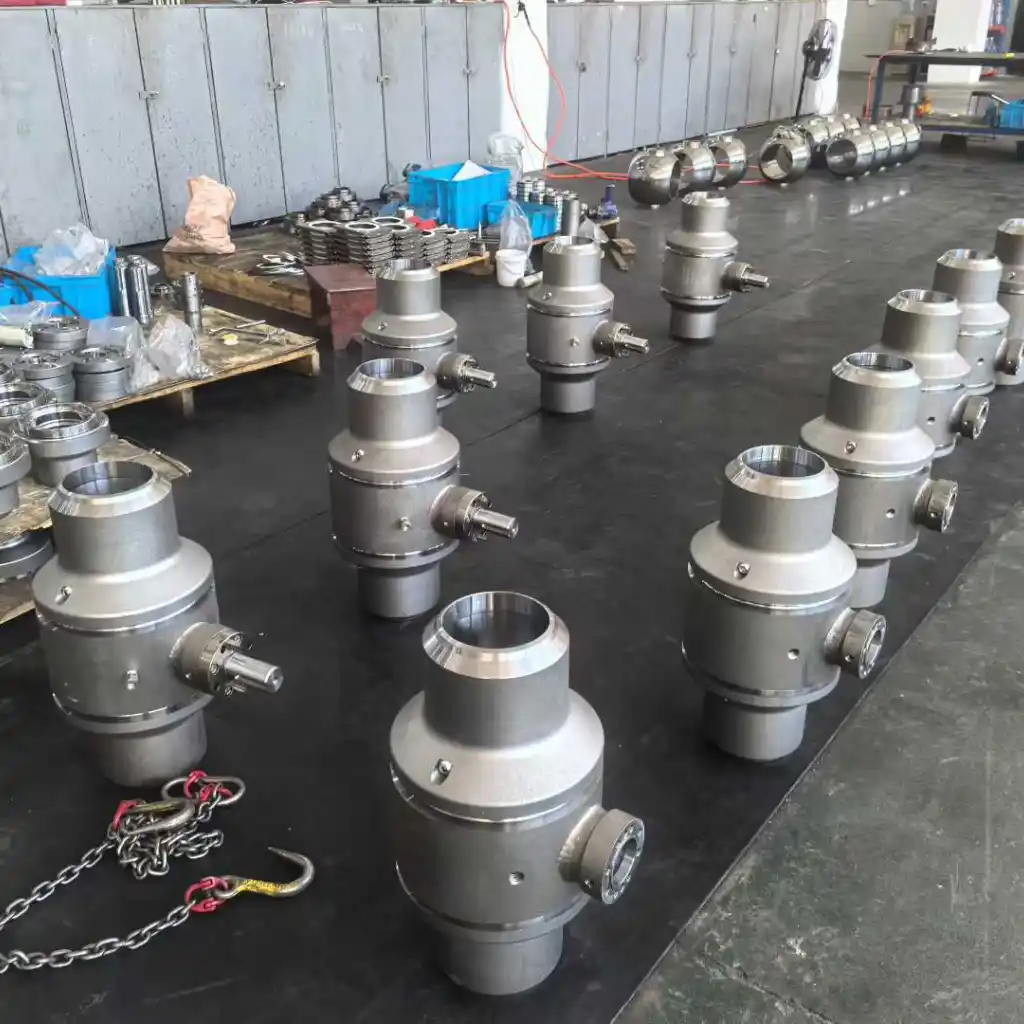
Fast-cycling isolation at wellheads and flowline branches goes to high-pressure ball valves. Specify full bore if the line will ever be pigged.
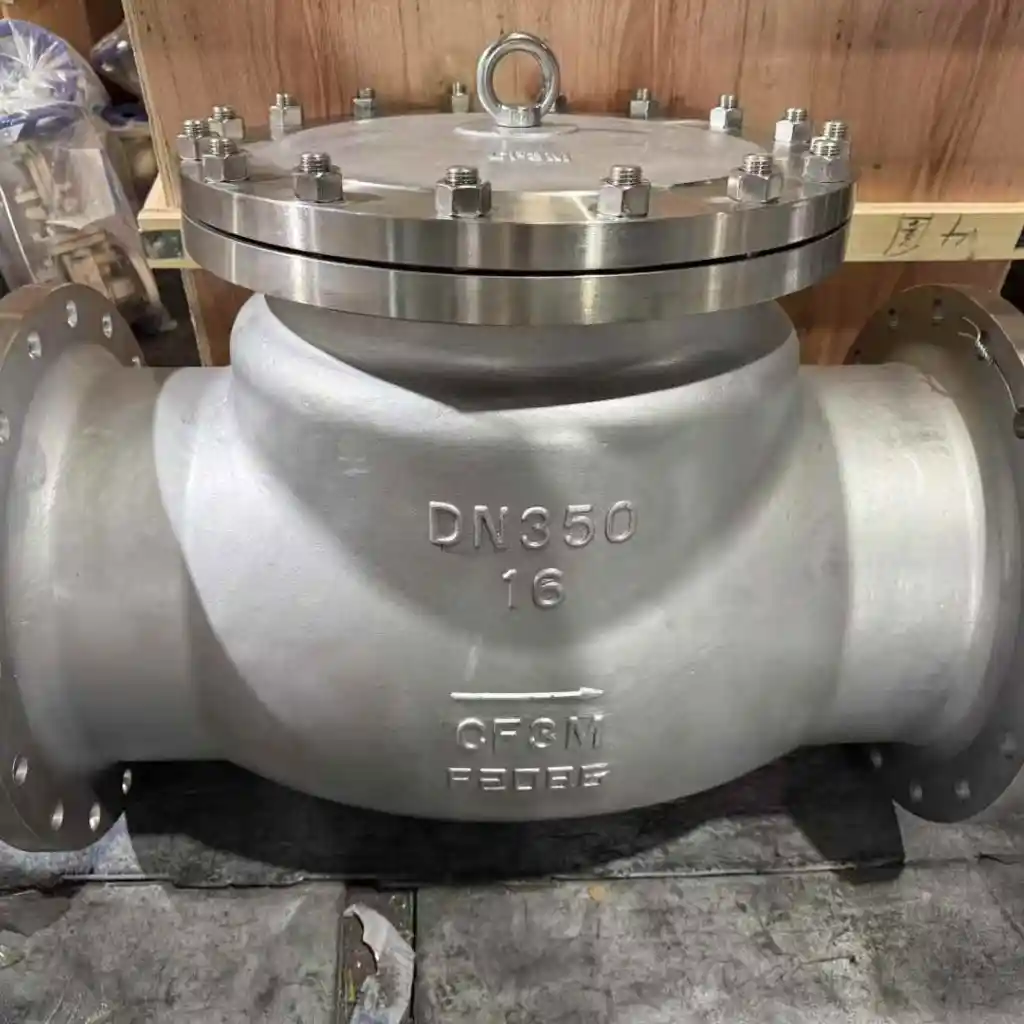
Water injection and transfer pump protection goes to check valves at the discharge flange, sized for the pump's reverse-flow transient, not just the forward flow rate.
What goes wrong here: Gate valves put into throttling duty cut their seats within weeks and start passing. Sand in crude acts as lapping compound on soft seats, so hardened or coated trims outperform generic soft seats. And in sour fields, trim that was not specified to NACE MR0175 / ISO 15156 can crack from sulfide stress corrosion, a failure mode you do not want to explain to a project engineer.
Midstream: Pipeline Isolation and Emergency Shutdown
Pipelines change the problem. The valve sees fewer cycles but must seal after years of sitting in one position, and closure speed becomes a safety function.
Section isolation on pigged lines goes to full-bore ball valves, because a reduced bore stops the pig and the shutdown that follows it.
Large-diameter branch connections with infrequent operation go to gate valves, the economical choice where fast cycling is not required.
Emergency shutdown (ESD) calls for electric or pneumatic actuated valve assemblies with fail-safe closure: electric quarter-turn with battery or spring fail-safe on remote sites with grid or solar power, spring-return pneumatic where instrument air exists.
Hot oil transport lines shift viscosity with temperature, so actuator torque gets checked against the worst-case temperature, not the nominal one.
Elevation changes and pump stations need slow-closing check valves to keep water hammer out of the line.
What goes wrong here: The classic pipeline failure is an actuator sized to a new valve's break torque with no margin. After a few years, media buildup and seat wear raise the actual torque demand, and the actuator stalls half-open. We size against the valve's measured break torque with margin for seat wear and dirty media, then test the complete assembly before shipment. The second classic is thermal binding: a ball valve cycled while the line is hot locks against its seats. Extended bonnets and the right seat material prevent it.
Downstream: Refining and Process Units
Refineries throttle. That single word separates downstream valve selection from everything upstream.
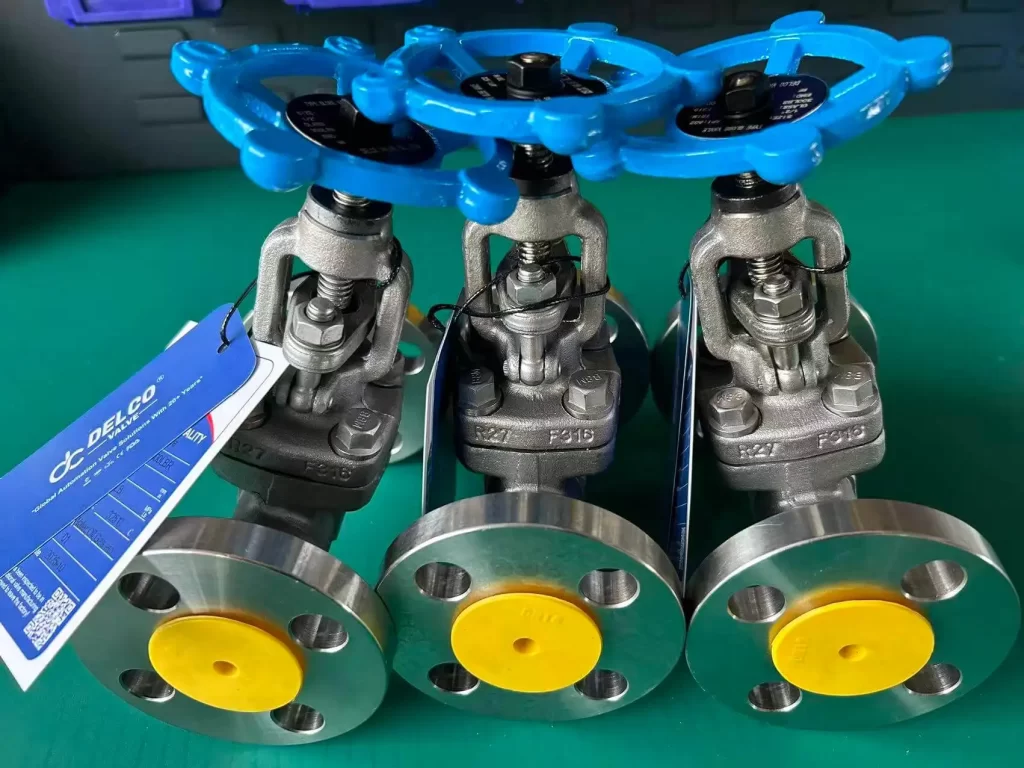
Continuous regulation of steam, fuel, and injection chemicals goes to globe control valves, pneumatic or electric, sized by Cv/Kv across the real flow range with inlet and outlet pressure stated.
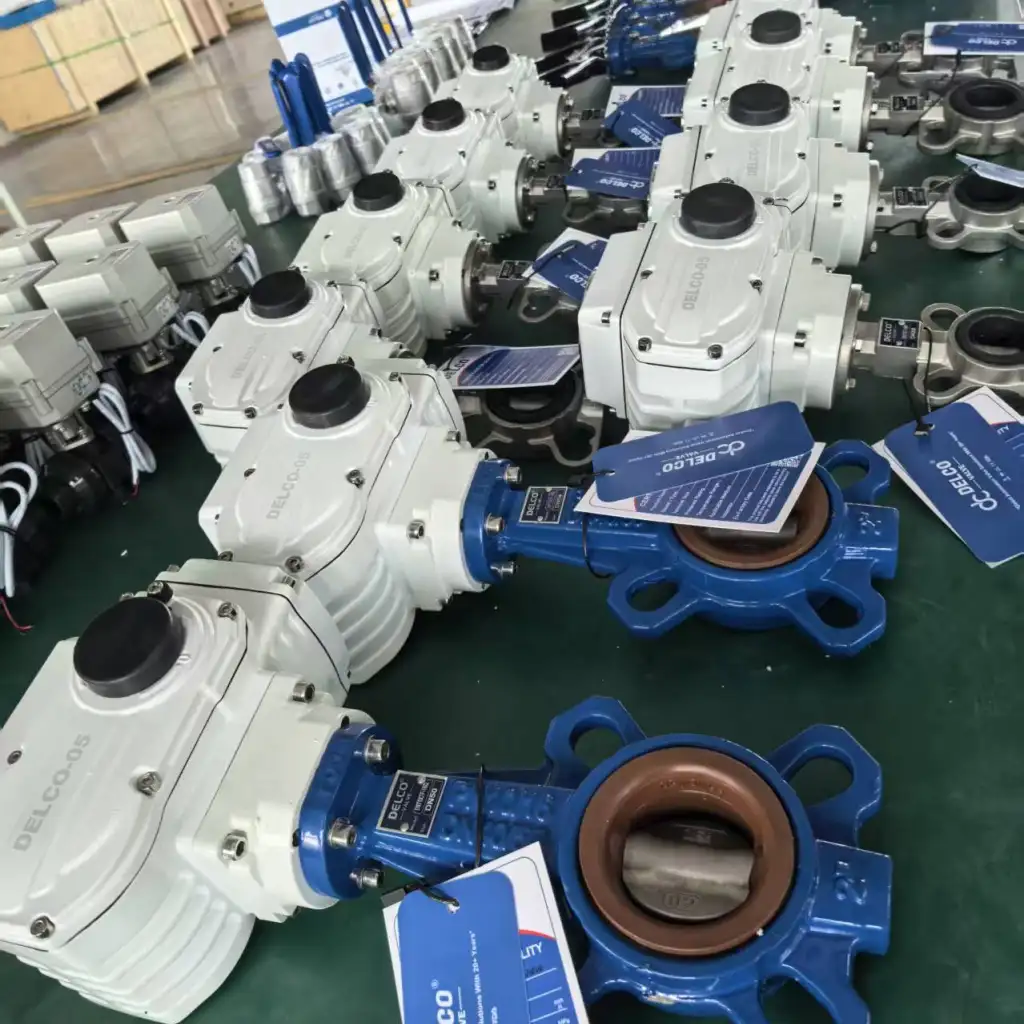
Large-bore utility services, cooling water, compressed air, fuel gas to boilers, go to electric butterfly valves. Fluorine-lined designs handle corrosive duty, and triple-offset metal-seated designs cover the elevated temperatures where soft seats give up. Compact, low torque, and economical where a gate valve becomes a heavy casting problem.
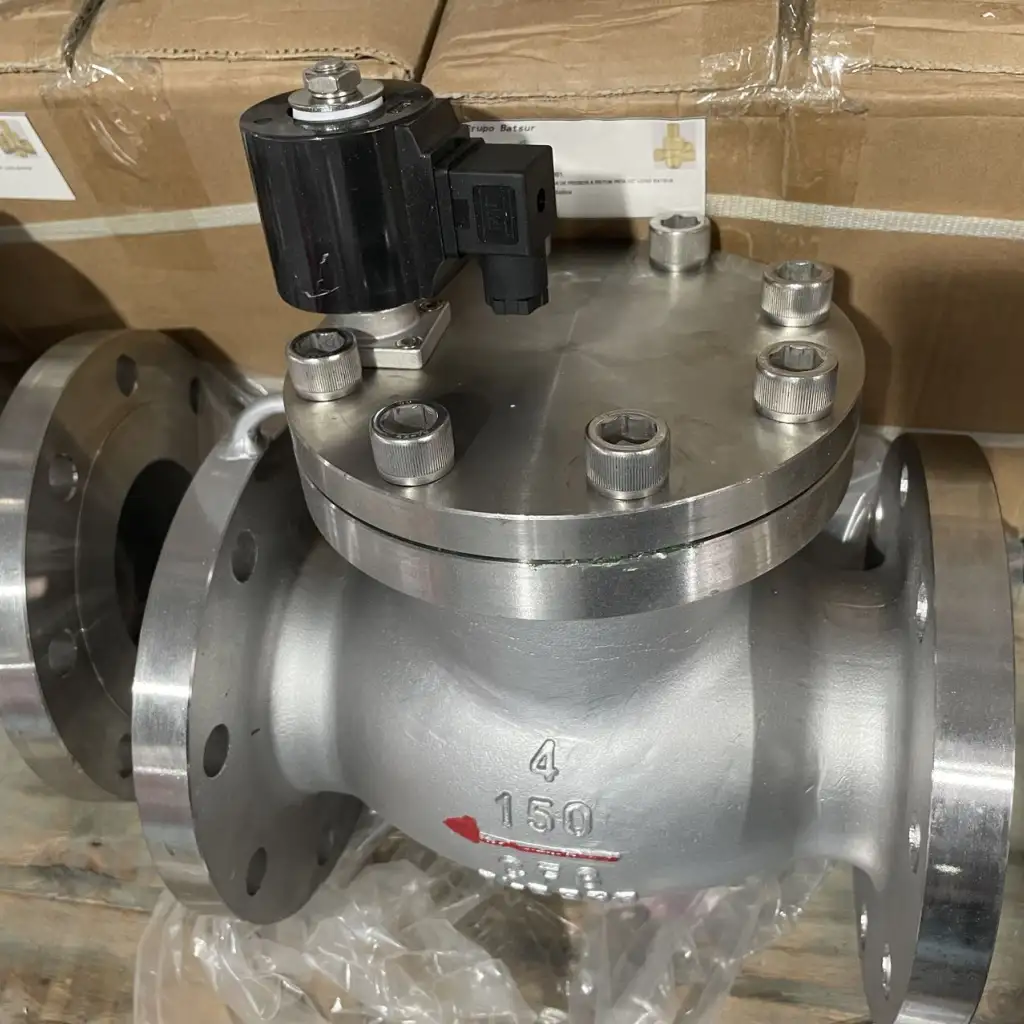
Dosing, venting, and instrument isolation goes to solenoid valves, chosen by media compatibility and response time rather than pipe size.
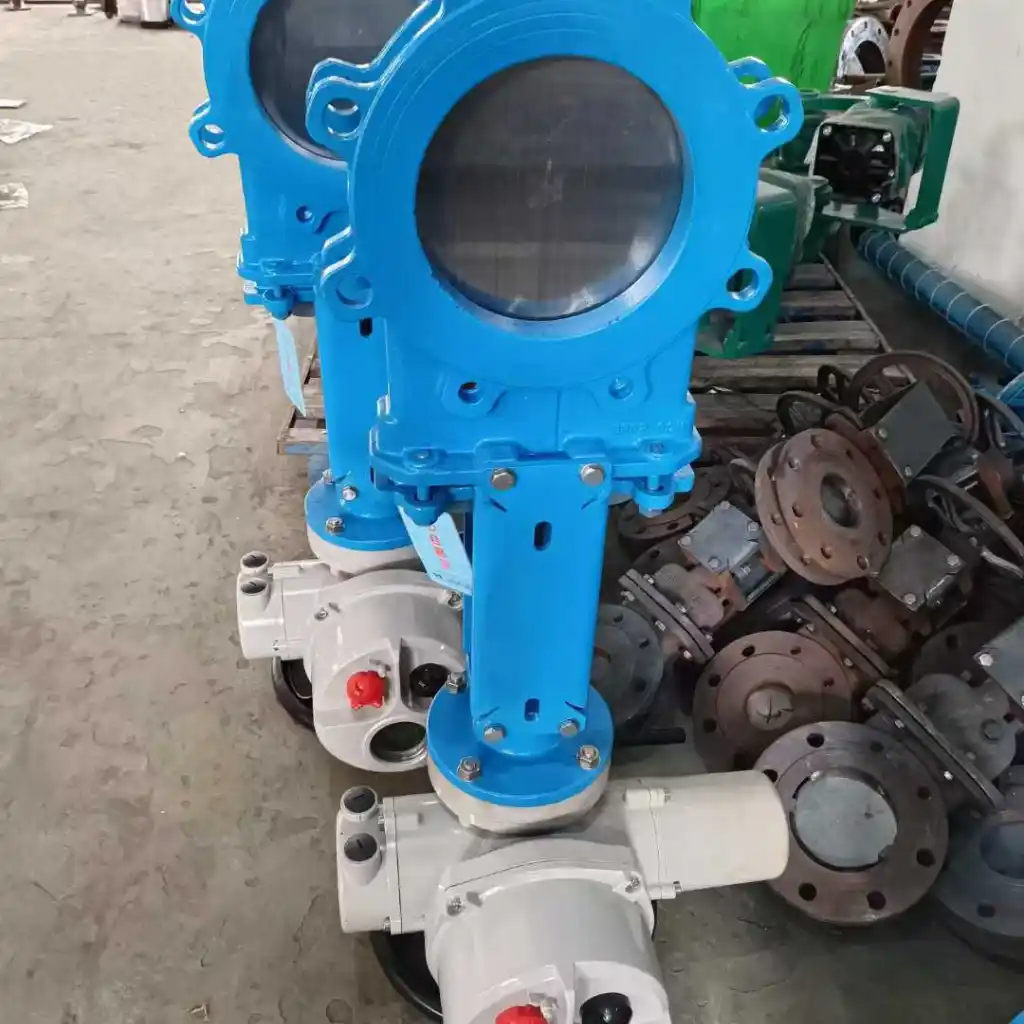
Sludge, catalyst residues, and high-solids media go to knife gate valves.
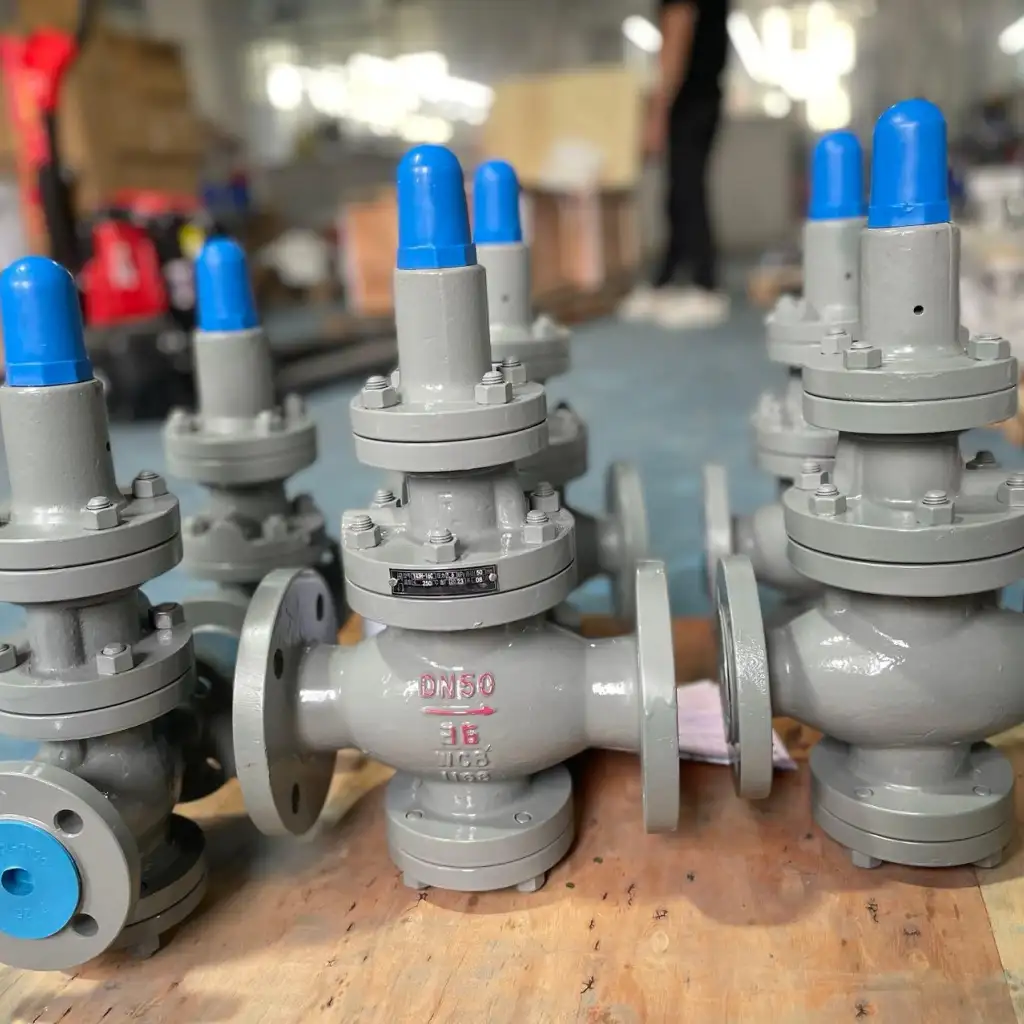
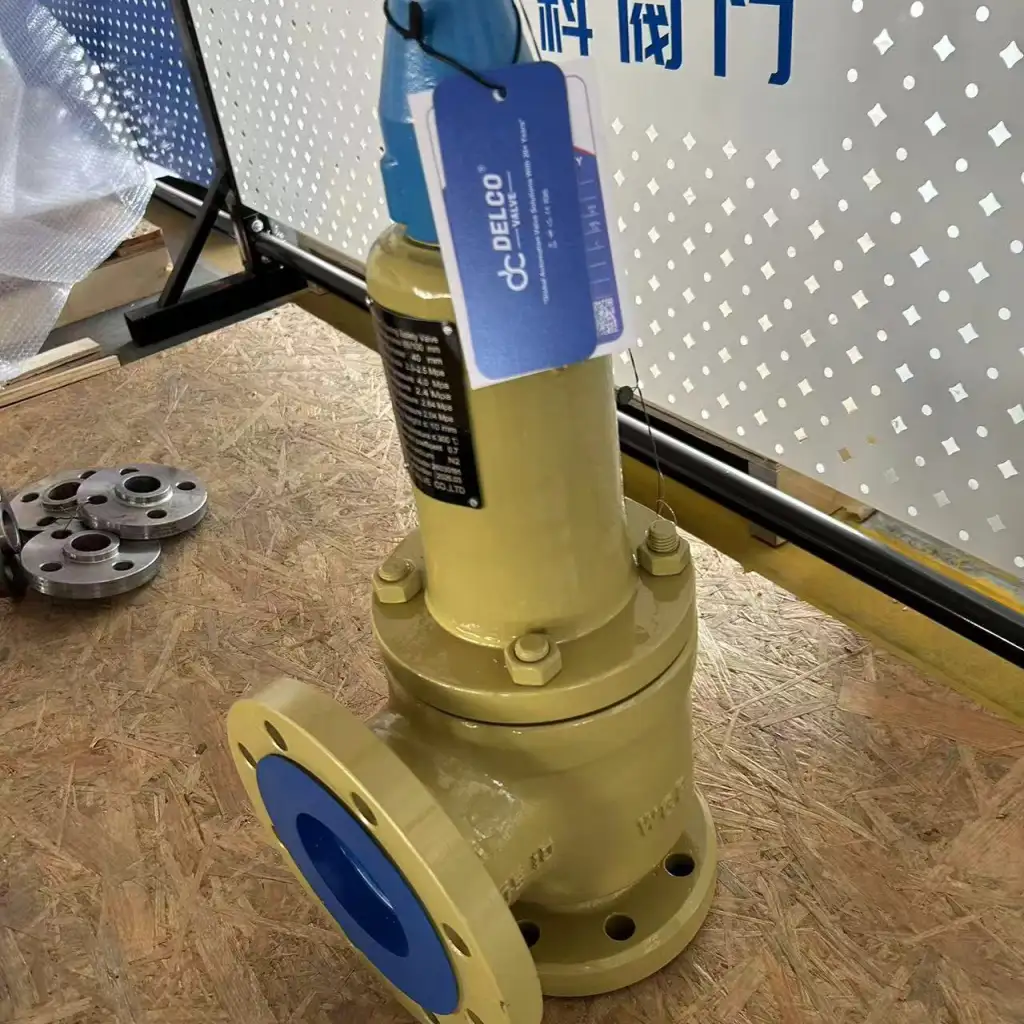
Vessel and line overpressure protection goes to safety valves and pressure reducing valves, set pressure calibrated to the system's relief calculation.
What goes wrong here: Control valves sized to the pipe diameter instead of the flow range. A DN100 control valve passing 10% of design flow spends its life nearly closed, erodes the trim, and loses control authority. State minimum, normal, and maximum flow in the RFQ and the sizing comes back correct.
Tank Farms and Loading Terminals
Tank areas shift the risk from the pipe to the vent. Storage tank breather and vapor recovery lines need detonation flame arresters so a flame front outside cannot travel back into the tank. Loading pumps need check valves at discharge. Each tank needs overpressure protection matched to its own venting calculation, not borrowed from the adjacent tank's spec sheet.
Hazardous Areas: Ex Ratings and Enclosures
Where the valve sits in a classified area decides what may sit on top of it. Electric actuators for Zone 1 and Zone 2 locations need ATEX (Ex) certification, and we supply Ex-rated actuators matched to the valve as one tested assembly rather than two separately sourced components.
One distinction worth knowing: IP67 or IP68 is ingress protection, not explosion protection. Offshore and washdown sites push the enclosure rating up; classified areas demand the Ex certificate, and the two often apply together. If your specification calls out fugitive emission testing to ISO 15848 or API 641/624, or fire-safe tested valves to API 607, put it in the RFQ so sealing options are confirmed at quotation stage.
A Project Example: Tank Farm Transfer Lines in Southeast Asia
A distributor in Indonesia contacted us through the website about a fuel oil tank farm upgrade. The manual gate valves between the storage tanks and the loading station had worn seats and were getting hard to operate; the frequently cycled loading lines needed automation.
The enquiry arrived with the seven parameters already filled in, so our first reply went out within 24 hours: carbon steel gate valves, DN100 to DN250, flanged to ASME B16.5, for the main isolation points, plus electric actuated ball valves, DN50 to DN100 with IP67 actuators, on the loading lines that cycle daily. Datasheets and drawings accompanied the quotation for checking against site drawings before ordering. Every valve in the shipment carried its pressure test report, no rework was reported at commissioning, and the distributor returned to us for the second phase of the same project.
Materials and Standards: The Short Table
Service Condition
Typical Window (Industry General)
Body and Trim to Specify
Notes
Sweet hydrocarbons
Class 150-600; -29 to 200°C soft-seated, to 425°C metal-seated
Body A216 WCB; trim 13Cr or 410-series stainless
Economical default for pipelines, tank farms, gathering lines
Wet gas, chlorides, produced water
Class 150-600; -29 to 200°C typical
Body 304/316; trim 316 stainless
Corrosion allowance where solids are present
Injection chemicals, aggressive media
Class 150; DN15-DN300 typical; lining limits service to ~150°C
PTFE/PFA lined ball and butterfly valves
For severe chemical injection duty
Sour service (H2S present)
Window set by material grade and project specification
Controlled-hardness materials per NACE MR0175 / ISO 15156
State sour service in the RFQ; we confirm per project
High-pressure wellhead service
Class 900-2500; -29 to 121°C typical
High-pressure design, class stated explicitly
Pressure class and standard (API/ANSI/DIN/JIS) confirmed in the quotation
The windows above are industry-typical for each service class. The exact pressure and temperature rating of each model is confirmed in the quotation against your project numbers.
For Distributors and EPC Buyers
If you bid on local oil and gas tenders, the hardware is only half of what you buy. The other half is what lets you submit and deliver:
Submittals for bidding: datasheets, dimension drawings, and torque data come with the quotation. If you need them unbranded or co-branded for direct submission to your end client, say so in the RFQ.
Documentation for audits: EN 10204 3.1 material certificates, pressure test reports, and final inspection records for specified models, in one consolidated set for mixed orders.
Mixed containers: ball, gate, globe, check, and control valves can share a single container to cut freight and customs overhead.
Channel protection: if you need project registration against direct quotation to your end client, raise it with our channel team upfront.
Electric or Pneumatic: Two Questions Decide It
Is instrument air available at the valve? And what position should the valve take when power or signal is lost?
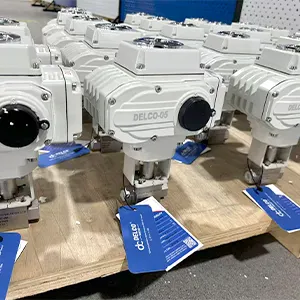
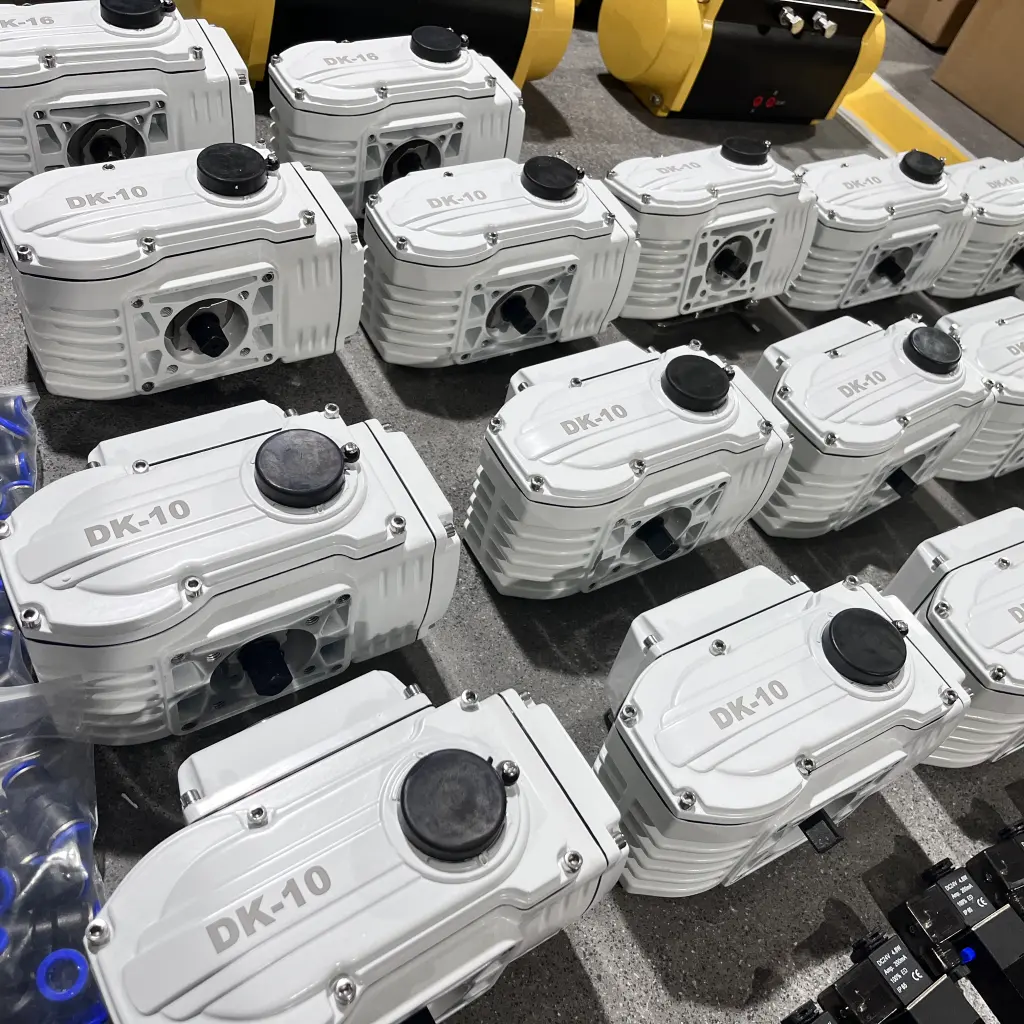
No air, but power (remote wellheads, pipeline valve sites, solar installations): electric quarter-turn or multi-turn actuators, IP67 as standard, IP68 for buried or floodable sites, positioners for modulating duty.
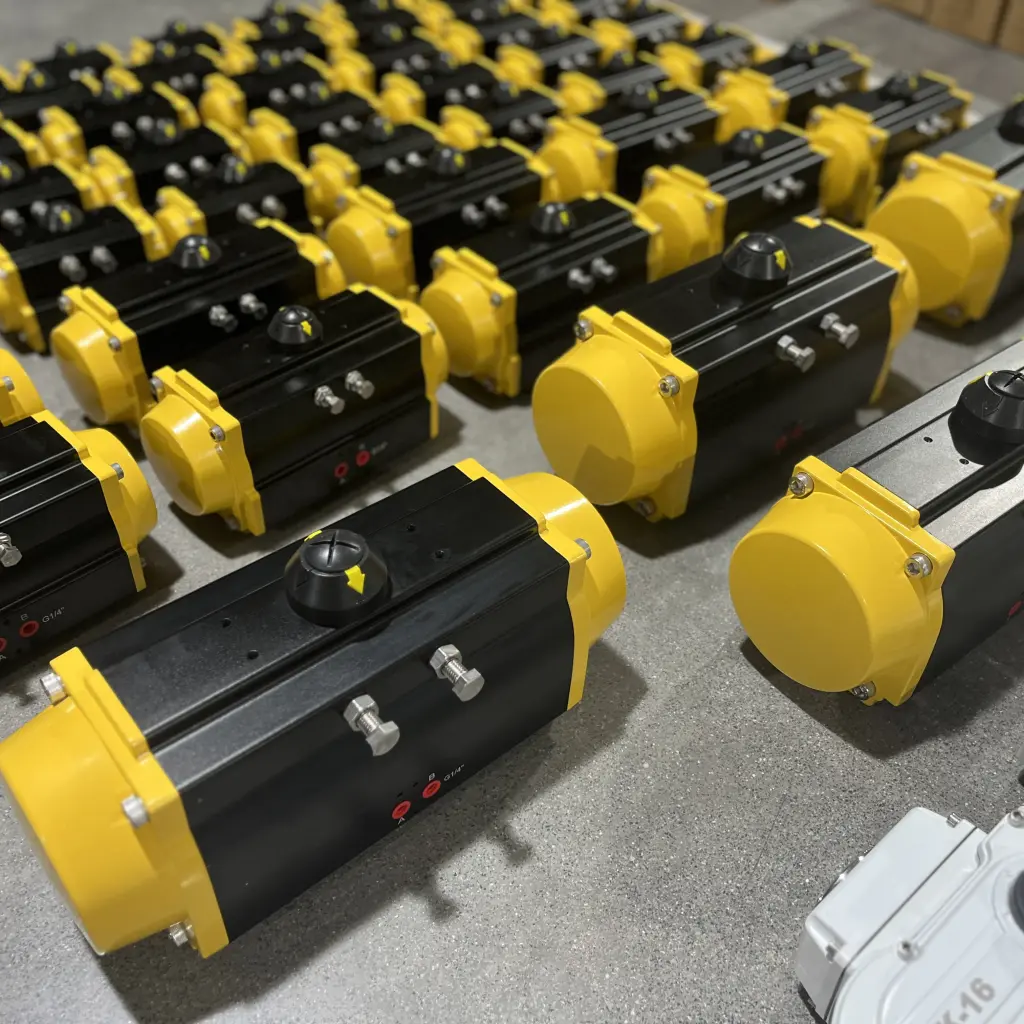
Instrument air available (refineries, process units, compressor stations): pneumatic rack-and-pinion actuators for fast cycling, spring-return units where the failure position matters, scotch-yoke cylinders for the high break torques of large gate and ball valves.
Classified areas: ATEX-rated electric actuators, or pneumatic actuators, which carry no ignition source by design.
Either way, the valve and actuator should be matched and tested as one assembly. Torque is not a catalogue number. It is a function of media, seat condition, and temperature history.
How We Quote in 12 to 24 Hours: The 7-Parameter Checklist
VALVE RFQ CHECKLIST
Media / Fluid Type : [e.g., Sweet crude, Natural gas, Produced water, H2S %]
Operating Pressure : [Normal & Design/Max pressure or ASME Class rating]
Operating Temperature : [Minimum, Normal, and Maximum operating °C / °F]
Nominal Size : [DN (mm) or NPS (Inches)]
Design Standard : [ASME B16.34, API 6D, API 600, DIN, or JIS]
End Connection : [Flanged RF/RTJ, Butt-Weld, Wafer, or Threaded]
An example, typical of a pipeline isolation enquiry:
crude oil (sweet), Class 300, 20-80°C, DN200, ASME B16.5 RF flange, electric on/off with fail-safe close for ESD duty.
Send those seven lines and you receive a matched model list, datasheets and drawings, and a quotation, normally within 12 to 24 hours.
Frequently Asked Questions
Which valve is best for crude oil pipelines?
Full-bore ball valves on sections that pass pigs; gate valves for infrequent isolation on large-diameter branches. Carbon steel for sweet crude; stainless or NACE-specified trim where H2S is present.
Can gate valves be used for throttling?
No. A partially open gate vibrates and erodes its seat. Use a globe control valve for any continuous regulation duty.
Do all oil and gas valves need API 6D certification?
Not automatically. API 6D covers pipeline and piping valves for transport duty. Process plants more often work to ASME B16.34, with API 600 for gate valves and API 608 for ball valves. State which standard your project calls out in the RFQ, and we confirm exact compliance in the quotation.
Electric or pneumatic actuation for remote pipeline valves?
Electric in most cases, since remote sites rarely have instrument air. Specify IP68 for buried or floodable installations and state the required fail-safe position so the actuator is configured accordingly.
Get a Recommendation for Your Project
Send the checklist above to our engineers, or browse the full product portfolio first: actuators, actuated ball, butterfly, gate and globe valves, control valves, solenoid and speciality valves, flame arresters, and marine series.
Distributors can request the complete catalogue with model lists, unbranded tender drawings, and technical documents in the same 12 to 24 hour window.