



 Home /
 Sourcing Industrial Valves from China: A Practical Guide for International Buyers
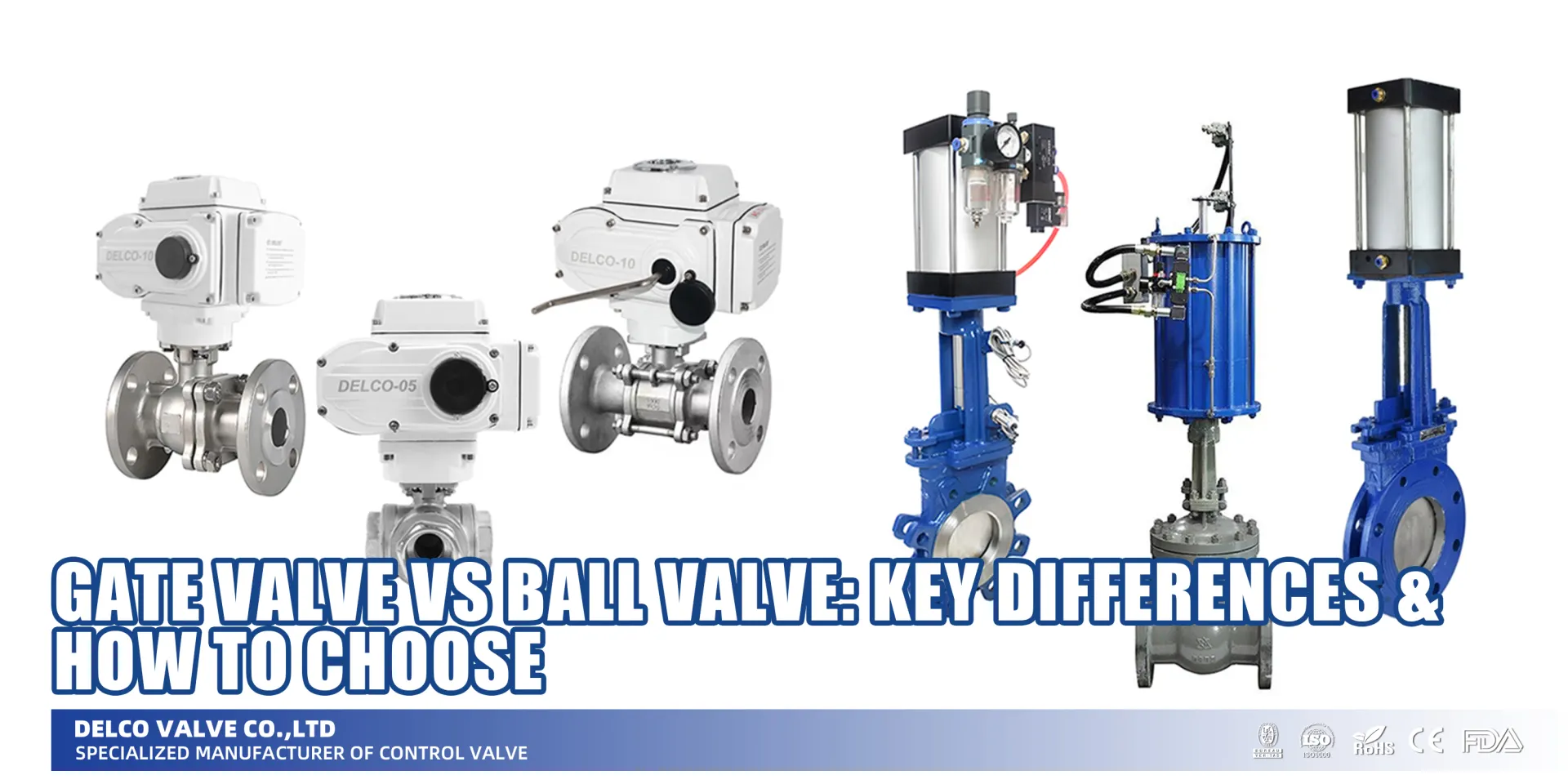
Gate Valve vs Ball Valve: Key Differences & How to Choose
Aug 31, 2026
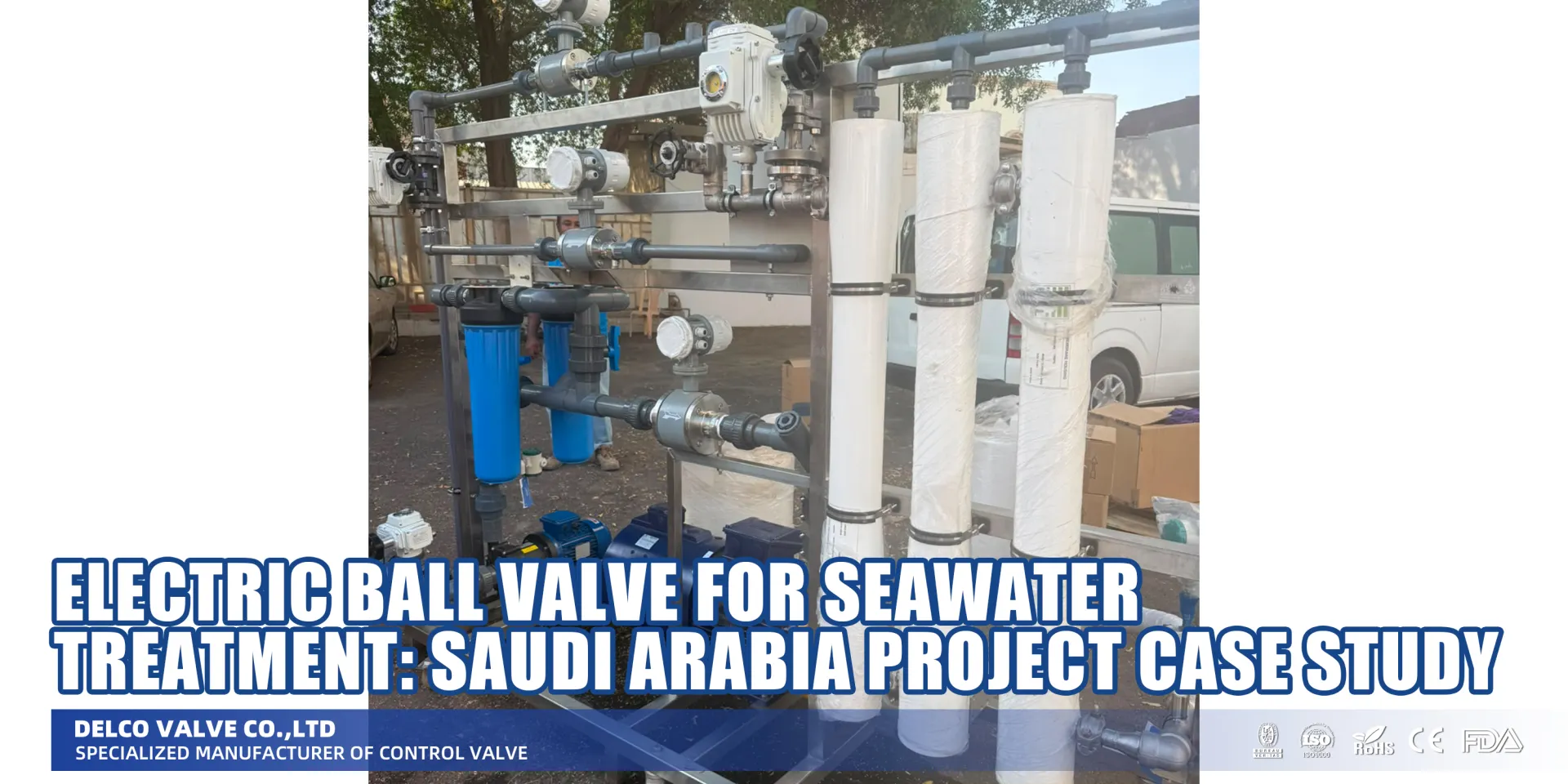
Electric Ball Valve for Seawater Treatment: Saudi Arabia Project Case Study
Aug 26, 2026
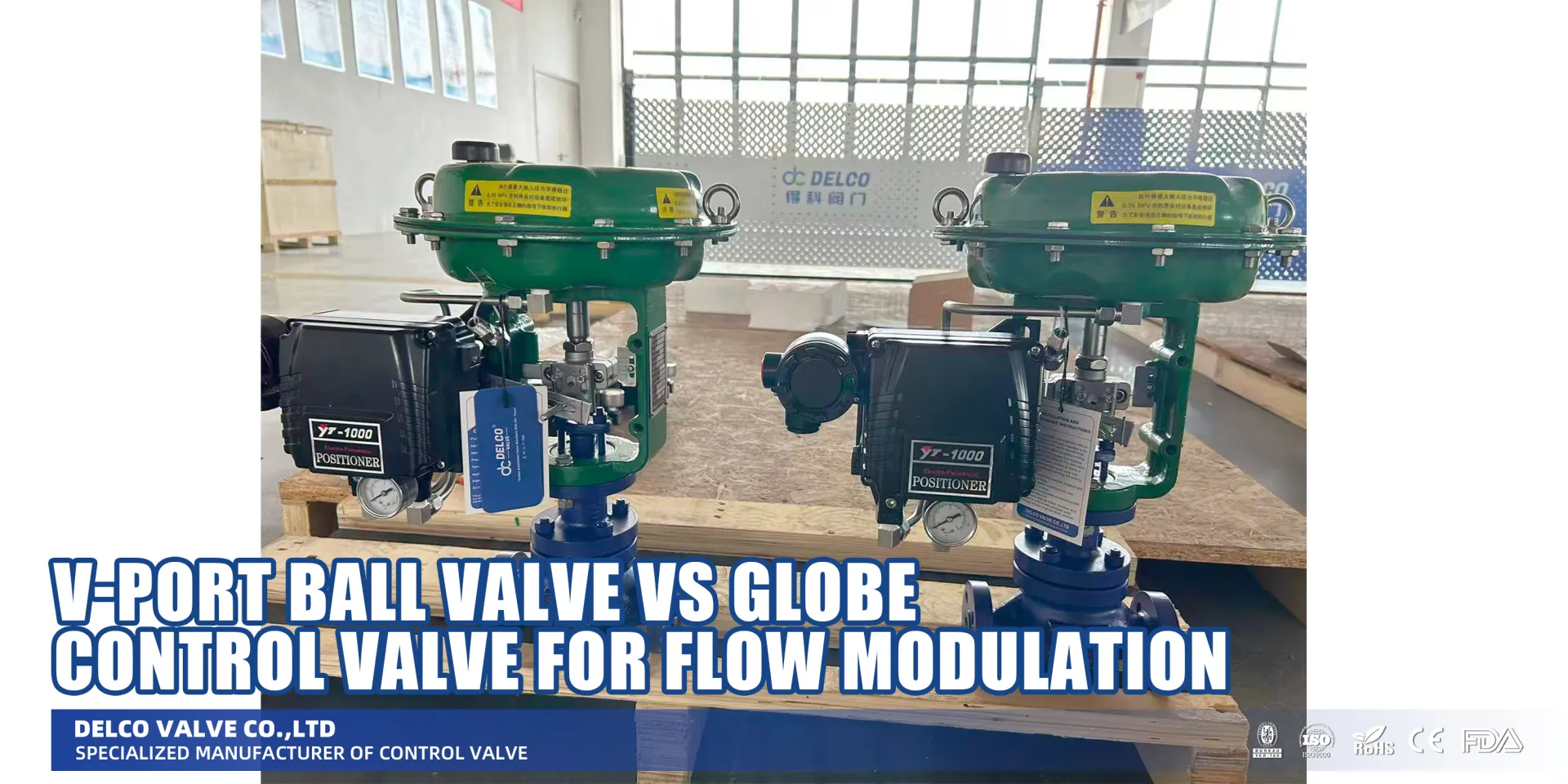
V-Port Ball Valve vs Globe Control Valve for Flow Modulation
Aug 22, 2026
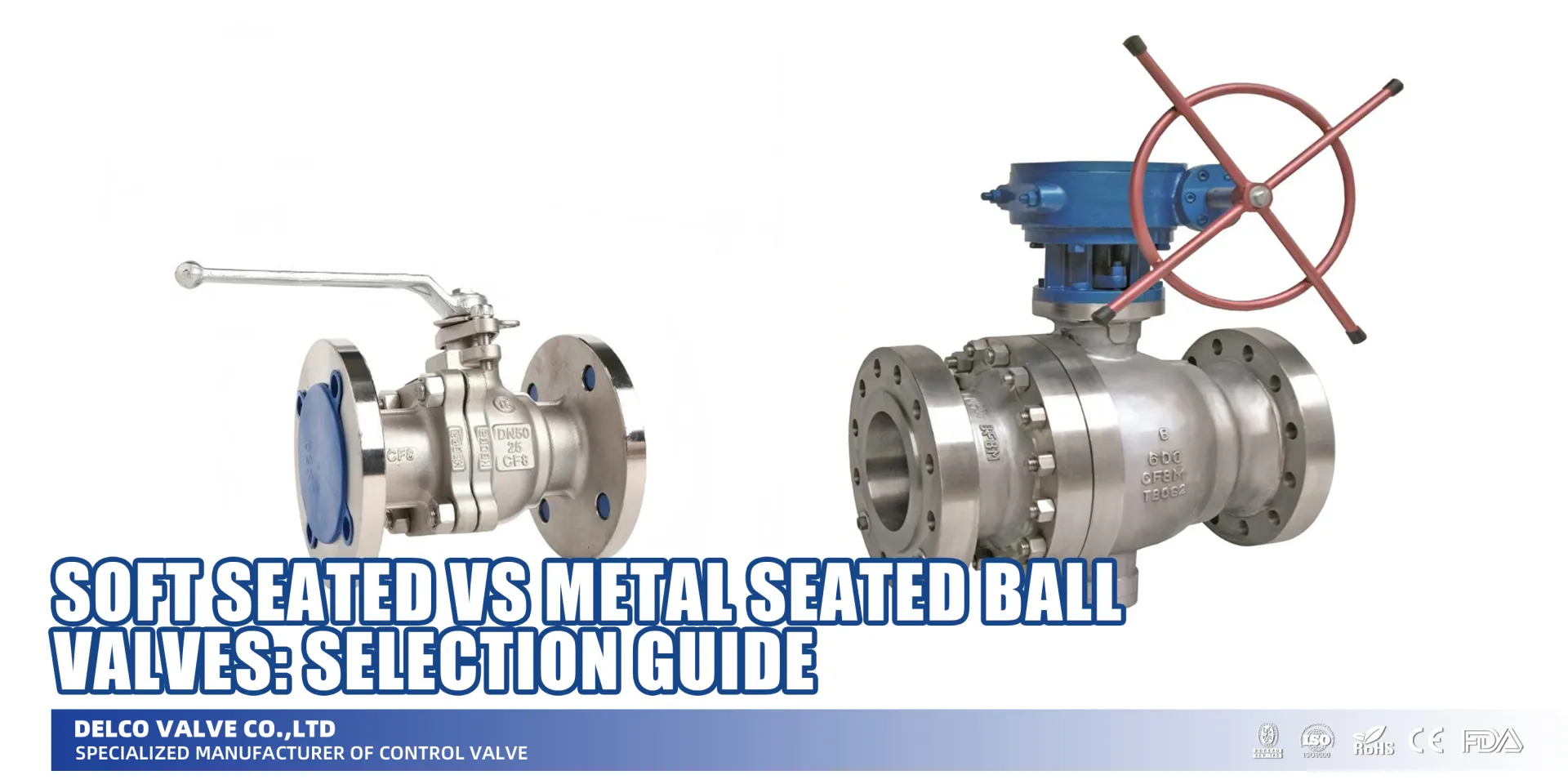
Soft vs Metal Seated Ball Valves: How to Choose for Severe Service
Aug 19, 2026
Sourcing Industrial Valves from China Practical Guide for International Buyers on suppliers quality control and certification
Sourcing industrial valves from China can help global buyers reduce costs without compromising production capability—but only when the right supplier and specifications are in place.
In this guide, you’ll learn how to choose the right gate, globe, ball, butterfly, and check valves, verify materials and certifications, evaluate Chinese manufacturers, and manage quality, shipping, and import risks.
Whether you need OEM valves, custom solutions, or reliable ready-to-buy products, this practical guide will help you source with greater confidence—and find out why international buyers choose DELCO Valve for long-term cooperation.
Why Global Buyers Choose China for Industrial Valve Sourcing
China is a major source of industrial and automated valves for international projects. Buyers can access broad product coverage, integrated actuation solutions, OEM and ODM support, and engineering resources through established manufacturers such as DELCO Valve Co., Ltd.
Competitive Manufacturing Costs with Reliable Production Capability
Established Chinese valve manufacturers combine manufacturing infrastructure with engineering and quality-control resources. DELCO supports production through:
- CNC manufacturing capabilities
- Dedicated quality-control processes
- Specialized engineering support
- Electric and pneumatic actuation integration
- A product showroom and global agent network
This structure helps international buyers evaluate complete valve solutions through one manufacturing partner instead of coordinating multiple suppliers.
Wide Range of Manufacturing Capabilities Across Valve Types
Industrial valve sourcing from China can cover many process requirements, including:
| Product group | Available solutions |
|---|---|
| Electric actuated valves | Ball, butterfly, gate, globe, knife gate, miniature, and explosion-proof valves |
| Pneumatic actuated valves | Ball, butterfly, gate, globe, knife gate, angle seat, filling, and dome valves |
| Manual and special valves | Ball, butterfly, gate, globe, knife gate, check, safety, and pressure-reducing valves |
| Control and solenoid valves | Globe control, self-operated, temperature-control, direct-acting, high-pressure, and high-temperature models |
| Marine valves | Marine gate, globe, and butterfly valves, plus expansion joints and flexible hoses |
Connection options include threaded, flanged, wafer, lugged, sanitary, groove, and three-piece designs.
OEM and Custom Valve Solutions for Global Industrial Applications
International buyers may require more than a standard valve. OEM and ODM projects can be developed around:
- Valve body and lining materials
- End-connection requirements
- Electric or pneumatic actuation
- IP67 explosion-proof or IP68 waterproof protection
- Heating-jacket and vacuum-rated options
- Valve positioners and limit switch boxes
- Project-specific engineering documentation
DELCO provides pre-sales support, bid-project assistance, in-hand project support, after-sales technical service, and OEM/ODM service for applications including oil and gas, water and wastewater, power, chemical and petrochemical processing, pharmaceuticals, and marine systems.
Common Risks and Misconceptions When Sourcing from China
China sourcing is not limited to low-cost, standard products. The main difference between suppliers is their manufacturing depth, quality system, engineering capability, and ability to support international compliance requirements.
Buyers should verify:
- Whether the supplier is a direct manufacturer or a trading company
- Available ISO, ATEX, SIL, CE, and ROHS certifications
- In-house CNC, engineering, and quality-control capabilities
- Valve materials, connections, actuation, and protection ratings
- Technical support before and after the order
- Experience with international project requirements
A qualified supplier should provide clear technical communication and help match the valve design to the operating application. DELCO is an ISO-certified Chinese manufacturer established in 2005, with more than 20 years of industrial experience and project supply experience across international markets.
Understanding Valve Types and Technical Requirements Before Sourcing
Before sourcing industrial valves from China, we define the process conditions, control method, connection type, and required protection level. A clear specification helps match the right valve body, sealing design, actuator, and accessories to the application.
Common Valve Categories: Gate, Globe, Ball, Butterfly, and Check Valves
| Valve type | Typical role | Available automation options |
|---|---|---|
| Gate valve | On/off isolation for pipelines | Electric multi-turn actuators |
| Globe valve | Flow regulation and control duties | Electric or pneumatic actuation |
| Ball valve | Fast shutoff and compact flow control | Electric or pneumatic quarter-turn actuators |
| Butterfly valve | Space-efficient isolation and control | Electric or pneumatic actuation |
| Check valve | Preventing reverse flow | Manual, self-operating design |
For automated systems, ball and butterfly valves are common quarter-turn choices. Gate and globe valves generally need multi-turn operation. For guidance on choosing and wiring motorized ball valves, review our motorized ball valve selection guide.
How to Select the Right Valve Material for Your Application
Valve body material and seat design must suit the media, temperature, pressure, and corrosion exposure. We support configurations including stainless steel, plastic, fluorine-lined, and hard-seated designs.
| Application need | Suitable consideration |
|---|---|
| Corrosive media | Fluorine-lined or suitable plastic valve construction |
| General industrial service | Stainless steel or other specified metal body materials |
| Elevated temperature | Hard-seated design or heating jacket option |
| Vacuum service | Vacuum-rated valve configuration |
| Hygienic processes | Sanitary or Tri-Clamp connection options |
Connection requirements should also be stated early. Common options include threaded, flanged, wafer, lugged, grooved, sanitary, and three-piece designs. Include the valve pressure rating, operating temperature, media description, voltage, and required fail position in the technical inquiry.
International Standards and Certifications to Look For
International buyers should confirm that the supplier can provide relevant quality and safety documentation for the project. DELCO operates as an ISO-certified manufacturer and offers product solutions associated with ISO, ATEX, SIL, CE, and ROHS requirements.
| Requirement | Why it matters |
|---|---|
| ISO certification | Supports a documented quality management approach |
| ATEX | Important for equipment used in hazardous environments |
| SIL | Relevant where functional safety requirements apply |
| CE | Supports applicable market compliance requirements |
| ROHS | Addresses restricted substances requirements |
For projects in demanding environments, specify whether explosion-proof protection, IP67 protection, IP68 waterproof protection, limit switch boxes, or valve positioners are required. Buyers working on mining or hazardous-duty projects can also review valve standards and certifications for LATAM mining projects.
Where Are Industrial Valve Manufacturers Located in China?
China’s industrial valve supply base covers multiple manufacturing regions. I focus less on location alone and more on each supplier’s engineering capability, quality control, certifications, and ability to support international projects.
Zhejiang: Traditional Manufacturing Hub for General Industrial Valves
When sourcing from Zhejiang, I verify the supplier’s actual manufacturing scope, valve categories, materials, connection types, testing procedures, and export experience. A factory’s location does not replace the need to review technical documents and quality records.
Jiangsu: High-End Manufacturing Base for Precision Valves
For precision valve projects, I confirm the supplier’s engineering resources, inspection controls, actuator compatibility, and ability to meet the required pressure, material, and connection specifications. The supplier should provide clear technical support throughout the quotation and production process.
Guangdong: Advanced Automation and Export-Oriented Manufacturing
Guangdong is home to DELCO Valve Co., Ltd., an ISO-certified manufacturer established in 2005 with its factory and engineering operations in Dongguan. DELCO focuses on integrated electric and pneumatic valve automation, supported by CNC production, quality control, engineering support, and international project experience. Its product range includes electric actuated valves, pneumatic actuated valves, control valves, manual valves, and related actuators and accessories. For automation projects, buyers can review DELCO’s high-integrity electric actuators for industrial valve automation.
How to Find and Evaluate a Reliable Valve Supplier in China
Manufacturer vs Trading Company: Understanding the Difference
When sourcing industrial valves from China, identify whether the supplier is a direct manufacturer or a trading company. A manufacturer can provide clearer technical communication, production visibility, and support for custom valve requirements. A trading company may offer a broader catalog, but it may not control machining, assembly, testing, or delivery schedules.
| Evaluation Point | Direct Valve Manufacturer | Trading Company |
|---|---|---|
| Production control | Manages machining, assembly, and QC | Relies on partner factories |
| Technical support | Engineering team can review specifications | May need to relay technical details |
| OEM and ODM work | Can support drawings and custom configurations | Depends on the selected factory |
| Factory verification | CNC equipment, testing, QC, and showroom may be reviewed | Production site may be separate |
| Product traceability | More direct access to production records | Depends on factory cooperation |
For automated projects, confirm that the supplier can integrate the valve body, valve actuator, limit switch box, and positioner where required. This helps reduce compatibility risks between a ball valve, butterfly valve, gate valve, or globe valve and its selected actuation package.
How to Verify a Valve Factory Before Placing an Order
A reliable industrial valve supplier should be able to demonstrate real manufacturing and quality-control capability. Review its operating history, certifications, engineering resources, and export experience before approving a purchase order.
Use this practical verification list:
- Confirm ISO certification and request applicable ATEX, SIL, CE, or ROHS documentation for the required product.
- Check whether the factory has CNC production, dedicated inspection procedures, and trained engineering personnel.
- Review product scope, including electric actuated valves, pneumatic actuated valves, manual valves, control valves, and accessories.
- Verify available connection types, such as threaded, flanged, wafer, lugged, sanitary, and three-piece designs.
- Confirm available valve body material and lining options, including stainless steel, plastic, fluorine-lined, hard-seated, heating-jacketed, and vacuum-rated designs.
- Request project references that match the intended service, such as water treatment, chemical processing, power, marine, mining, or HVAC.
- Review the supplier's ability to support pre-sales specifications, bid documentation, project inquiries, and after-sales technical service.
For corrosive media, the material selection should be reviewed alongside pressure, temperature, sealing, and connection requirements. Our guide on selecting valves for corrosive chemical service explains the main factors that should be confirmed before procurement.
Key Questions to Ask Before Choosing a Supplier
Clear technical information prevents specification gaps and avoids unnecessary changes after production begins. A complete RFQ should define the application, valve design, actuation method, and documentation requirements.
| Item to Confirm | Information to Provide or Request |
|---|---|
| Valve type | Gate valve, globe valve, ball valve, butterfly valve, check valve, knife gate valve, or control valve |
| Service conditions | Medium, operating pressure, temperature, flow direction, and operating frequency |
| Valve pressure rating | Required pressure class and applicable project standard |
| Valve body material | Stainless steel, plastic, fluorine-lined, hard-seated, or another suitable option |
| End connection | Flanged connection, wafer, lugged, threaded, sanitary, grooved, or three-piece |
| Actuation | Manual, electric, pneumatic rack-and-pinion, pneumatic scotch-yoke, or multi-turn |
| Protection requirements | IP67 explosion-proof, IP68 waterproof, or ATEX-related requirements where applicable |
| Control requirements | On-off operation, modulation, valve positioner, limit switch box, voltage, and signal requirements |
| Documentation | Drawings, datasheets, inspection reports, certificates, and test records |
| Project support | OEM or ODM requirements, paint color, special marking, and delivery expectations |
For pipeline selection involving shutoff or throttling duties, compare the operating role before finalizing the valve type. This gate valve vs. globe valve selection guide helps clarify the functional differences for industrial piping systems.
Quality Control Process for Industrial Valve Manufacturing
Material Inspection and Traceability Management
Material selection affects valve durability, corrosion resistance, and service performance. We work with options including stainless steel, plastic, fluorine-lined, and hard-seated designs to suit different industrial requirements. Buyers should confirm the valve body material, sealing arrangement, media, temperature, and pressure rating before production begins.
A reliable supplier should also provide clear product information and quality records for review. This helps international buyers confirm that the supplied valve matches the approved technical specification.
Manufacturing Process from Machining to Assembly
Industrial valve quality depends on accurate machining, correct component fit, and controlled assembly. DELCO combines CNC production with dedicated engineering and quality control capabilities for electric actuated valves, pneumatic actuated valves, manual valves, and control valves.
Each project should be reviewed against its required connection type, such as threaded, flanged, wafer, lugged, sanitary, or grooved. Correct actuator selection and assembly are also important for reliable automated operation.
Pressure Testing and Performance Inspection
Before shipment, buyers should request inspection records covering valve operation, sealing performance, and relevant pressure requirements. The inspection scope should match the valve type, connection, material, actuator, and intended application.
For automated systems, performance checks may also include actuator movement, limit switch operation, and positioner response. A structured quality control process helps confirm that the finished valve is ready for industrial service and meets the agreed project requirements.
Sourcing Checklist Before Placing Your Order
Before placing an order for industrial valves, I confirm the technical requirements, supplier capability, quality documents, and commercial details in writing. This reduces specification gaps and helps keep international projects on track.
Confirming Technical Specifications and Application Requirements
I include the following details in the RFQ:
| Requirement | Details to confirm |
|---|---|
| Valve type | Ball, butterfly, gate, globe, knife gate, check, or control valve |
| Actuation | Manual, electric, or pneumatic |
| Connection | Threaded, flanged, wafer, lugged, sanitary, grooved, or 3-piece |
| Materials | Stainless steel, plastic, fluorine-lined, or hard-seated construction |
| Operating needs | Media, temperature, pressure, flow control, and installation conditions |
| Protection | IP67 explosion-proof, IP68 waterproof, or other required protection |
| Documentation | Technical datasheets, drawings, certificates, and inspection records |
For automated systems, I also specify the actuator type, voltage requirements, limit switch box, and valve positioner requirements where applicable.
Reviewing Supplier Qualification and Manufacturing Capability
A reliable supplier should provide clear evidence of its production and engineering capabilities. I review:
- ISO certification and other relevant compliance documentation
- CNC machining and in-house production capability
- Quality control procedures and testing resources
- Dedicated engineering support for project requirements
- Experience with OEM and ODM valve solutions
- Product coverage across electric, pneumatic, manual, control, and special valves
- Export experience and support for international projects
A direct manufacturer with integrated production and quality control can make technical communication and project coordination more efficient.
Checking Samples, Inspection Reports, and Quality Documents
Before shipment, I check samples or approved technical documents against the final order requirements. The document package should match the supplied valve configuration and may include:
- Product datasheets and technical drawings
- Material and product information
- Pressure or performance inspection records
- Applicable ISO, ATEX, SIL, CE, or ROHS documentation
- Actuator and accessory specifications
- Final packing and identification details
For regulated or hazardous applications, I verify that the selected valve and actuator configuration matches the required safety and compliance conditions.
Finalizing Commercial Terms and Delivery Requirements
I confirm the commercial details before approving production:
- Quotation scope and product quantities
- Payment and delivery terms
- Required shipping destination
- Packaging and product identification
- Required documentation and inspection arrangements
- Technical support before and after delivery
- Communication contacts for project coordination
Clear written confirmation helps prevent differences between the quotation, approved specifications, and delivered valves.
Download the Full Sourcing Checklist (PDF)
I use a written sourcing checklist to record technical specifications, supplier qualifications, quality documents, and delivery requirements in one place. The completed checklist should be reviewed with the supplier before production begins and retained with the project purchasing records.
Ordering Industrial Valves from China: Process and Considerations
From Inquiry to Delivery: Typical Purchasing Process
I recommend using a clear purchasing workflow:
- Submit a technical RFQ with valve type, size, pressure requirements, materials, connection type, actuator needs, quantity, and application.
- Review the quotation and technical documents, including product details, delivery terms, and available certifications.
- Confirm drawings and specifications before production, especially for OEM or ODM projects.
- Approve samples or inspection requirements where needed.
- Complete production, quality checks, and shipment documentation before dispatch.
DELCO supports pre-sales inquiries, bid projects, in-hand project requirements, and after-sales technical service through its engineering team.
Shipping Terms, Incoterms, and Import Considerations
Shipping terms should be agreed in writing before the order is placed. The quotation should clearly state:
- Product price and included accessories
- Packaging and documentation
- Lead time and shipment point
- Selected Incoterms and freight responsibility
- Insurance, customs clearance, and delivery responsibilities
- Required export documents
International buyers should also confirm the destination country’s import procedures, labeling rules, customs requirements, and applicable valve pressure or safety documentation.
Tariffs, Trade Compliance, and Import Duty Considerations
Import duties and tariffs vary by destination, product classification, valve construction, and local trade policy. Before placing an order, I verify the correct customs classification with a qualified customs broker or local authority.
Buyers should also check:
- Country-of-origin requirements
- Import permits and product declarations
- Applicable safety and environmental rules
- Certification and documentation requirements
- Duties, taxes, and customs clearance charges
ISO, ATEX, SIL, CE, and ROHS documentation may support project compliance where applicable, but the final requirements depend on the installation market and application.
Managing Other Risks in Cross-Border Procurement
Cross-border valve sourcing becomes more reliable when key details are documented early. I focus on:
- Confirming the supplier’s manufacturing and quality capabilities
- Using approved technical drawings and specifications
- Defining inspection, testing, and acceptance requirements
- Verifying actuator, voltage, connection, and material details
- Agreeing on packaging suitable for international transport
- Keeping communication records for technical and commercial decisions
- Planning after-sales support and spare-part requirements
Working directly with an established manufacturer can simplify technical communication and project coordination. DELCO provides direct inquiry channels, engineering support, and OEM and ODM service from its manufacturing base in Dongguan, China.
How to Choose the Right Valve Supplier — And Why Buyers Choose DELCO
Evaluating Manufacturing Capability and Production Capacity
When sourcing industrial valves from China, I look beyond product catalogs. A reliable supplier should show clear manufacturing capability, engineering support, and quality control.
DELCO supports valve production through:
- In-house CNC manufacturing
- Dedicated quality control
- A specialized engineering team
- Electric and pneumatic actuation expertise
- A valve showroom for product review
- Support for OEM and ODM requirements
The product range covers automated, manual, control, safety, marine, and special valves. For example, buyers can review an electric flanged ball valve with a multi-turn actuator when evaluating automated valve solutions.
Checking Quality Systems, Certifications, and Technical Support
A supplier should provide more than a competitive quotation. I also check whether its products and processes support the compliance needs of the destination market.
| Evaluation area | What to verify |
|---|---|
| Quality system | ISO certification |
| Product compliance | ATEX, SIL, CE, and ROHS certification where applicable |
| Manufacturing control | CNC production and dedicated QC |
| Technical support | Pre-sales, project, and after-sales assistance |
| Product selection | Suitable materials, connections, actuation, and protection options |
DELCO combines certified quality systems with technical support for project inquiries, product selection, and after-sales requirements. This helps international buyers align valve specifications with industrial applications and local compliance expectations.
DELCO’s Manufacturing Experience and Export Track Record Since 2005
DELCO Valve Co., Ltd. was established in 2005 and has more than 20 years of industrial experience. The company operates from Dongguan, China, and focuses on integrated electric and pneumatic valve automation.
Its global project experience includes supply for customers and applications in:
- Germany
- The United States
- Singapore
- Australia
- The UAE
- Chile
- Colombia
This international experience gives buyers a practical basis for evaluating a Chinese valve manufacturer for overseas projects.
Building Long-Term Cooperation with a Reliable Manufacturer
Long-term cooperation depends on consistent communication and support throughout the project. DELCO provides assistance across the purchasing cycle, including:
- Pre-sales product guidance
- Bid project inquiry support
- In-hand project inquiry support
- OEM and ODM services
- After-sales technical support
- Direct communication through inquiry channels and global agents
For international buyers, this one-stop approach can simplify valve sourcing, technical coordination, and project communication with a China-based manufacturer.
Frequently Asked Questions
How Do I Find a Reliable Industrial Valve Supplier in China?
We recommend evaluating suppliers on their manufacturing evidence, quality system, technical support, and export experience. A reliable industrial valve supplier should clearly explain its production capability, inspection process, certifications, and valve configuration options.
Look for suppliers with CNC production, dedicated quality control, engineering support, and documented experience serving international projects.
What Is the Difference Between a Valve Manufacturer and a Trading Company?
| Supplier Type | Typical Role | What to Verify |
|---|---|---|
| Valve manufacturer | Produces, assembles, tests, and supports valves directly | Factory capability, CNC equipment, QC process, engineering team |
| Trading company | Sources products from one or more factories | Actual production source, technical responsibility, inspection arrangement |
For custom automated valves, direct manufacturers can provide closer coordination on valve body material, actuator selection, connection type, voltage, and project-specific requirements.
What Certifications Should Chinese Valve Manufacturers Provide?
Certification requirements depend on the application and destination market. Common documents to review include:
- ISO certification for quality management
- ATEX documentation for explosion-proof applications
- SIL documentation where functional safety is required
- CE and ROHS compliance for relevant global markets
- Product test reports and inspection records
Buyers should match every certification request to the installed service conditions and local regulations.
How Can I Verify the Quality of Industrial Valves Before Shipment?
Quality verification should cover the product, documents, and final inspection status. Check material records where required, dimensional and assembly inspection records, pressure test results, actuator function, and product marking.
For automated assemblies, confirm valve movement, limit switch operation, positioner response where fitted, and the specified protection level. A complete guide to valve types, parts, and functions can also help buyers review the main components before inspection.
What Types of Valves Can I Source from China?
China-based manufacturers supply a broad range of manual and automated industrial valves, including:
- Ball valves, butterfly valves, gate valves, globe valves, and knife gate valves
- Check valves, safety valves, pressure reducing valves, steam traps, and Y-strainers
- Electric actuated and pneumatic actuated valve packages
- Control valves, solenoid valves, and self-operated valves
- Marine valves, expansion joints, flexible hoses, fittings, and flanges
Available configurations may include threaded, flanged, wafer, lugged, sanitary, grooved, and 3-piece connections.
What Factors Affect the Cost of Sourcing Industrial Valves from China?
Industrial valve pricing is determined by the actual technical scope, not one standard product price.
| Cost Factor | Typical Impact |
|---|---|
| Valve type and size | Changes body design, machining, and assembly needs |
| Valve body material | Stainless steel, plastic, fluorine-lined, and hard-seated options have different costs |
| Pressure rating and connection | Affects construction, flanged connection details, and testing |
| Actuator and accessories | Electric or pneumatic actuation, limit switches, and positioners add configuration requirements |
| Certifications and testing | Required compliance documents and inspection scope affect project cost |
| Quantity and delivery terms | Production volume, packaging, shipping, and destination requirements influence the final quotation |
Accurate RFQ details help us provide a configuration that matches the application without unnecessary cost.
Related Industrial Valve Solutions by DELCO Valve
DELCO Valve provides industrial valve solutions for automated and manual process systems, supported by electric and pneumatic actuation options. Our range includes ball valves, butterfly valves, gate valves, globe valves, knife gate valves, check valves, and control valves for global industrial applications.
For automated valve packages, we supply quarter-turn and multi-turn electric actuators, rack-and-pinion pneumatic actuators, scotch-yoke pneumatic actuators, limit switch boxes, and valve positioners. Available configurations can support threaded, flanged, wafer, lugged, sanitary, and other connection requirements.
We also support specialized requirements involving stainless steel, plastic, fluorine-lined, hard-seated, heating-jacket, and vacuum-rated valve designs. For demanding mining and pipeline duties, our guidance on valve solutions for mine tailings systems addresses common operating considerations for abrasive and challenging media.
Request a Customized Industrial Valve Solution from DELCO Valve
Request a Project Quotation for Ready-to-Buy Buyers
I provide project-based quotations for electric actuated valves, pneumatic actuated valves, manual valves, control valves, marine valves, and related accessories. Send the required valve type, size, connection, material, actuation method, application, and quantity to help our team prepare a suitable technical and commercial response.
For reference, our electric butterfly valve solution for HVAC systems shows how DELCO supports automated flow management projects.
Contact Our Engineering Team
DELCO Valve supports pre-sales consultation, bid project inquiries, OEM and ODM requirements, and after-sales technical service. Our engineering team can review drawings, operating conditions, connection requirements, actuator selection, and certification needs for international projects.
Contact our Dongguan, China team through inquiry@delcofluid.com, WhatsApp, or the website inquiry form for a customized industrial valve solution.
Share on Social:


Contact Us
In This Article
Gate Valve vs Ball Valve: Key Differences & How to Choose
Aug 31, 2026
Electric Ball Valve for Seawater Treatment: Saudi Arabia Project Case Study
Aug 26, 2026
V-Port Ball Valve vs Globe Control Valve for Flow Modulation
Aug 22, 2026
Soft vs Metal Seated Ball Valves: How to Choose for Severe Service
Aug 19, 2026