



 Home /
 1-Piece vs 2-Piece vs 3-Piece Ball Valve: Selection Guide (Cost, Repairability & Port Size)
Buy a 1-Piece valve for low-stakes utility lines where throwing the valve away is cheaper than fixing it. Buy a 2-Piece valve for general industrial service. It's the default for a reason. Buy a 3-Piece valve when the valve sits on a welded line, cycles daily, or serves a process where an hour of downtime costs more than the valve ever will. The body count doesn't change what a ball valve does. It changes what happens the day it fails.
| Your situation | Buy | The reason in one line |
|---|---|---|
| Utility water/air, rarely cycled, tight budget | 1-piece | Cheapest option; you're buying a disposable shut-off |
| General process duty, threaded or flanged lines | 2-piece | Full port, serviceable, best cost-to-duty ratio |
| Welded line, high cycle count, hygiene or harsh media | 3-piece | Swing-out center body; seats swap without touching the pipe |
What the Piece Count Actually Decides
Every ball valve article tells you the three body styles exist. Almost none of them tell you that the choice comes down to a single question: what happens when a seat wears out?
Because seats always wear out. Turn a ball against the same PTFE seats a few thousand times, run some grit through the line, add a hot process, and the polymer loses its ability to seal against the ball. That's not a defect. That's the service life of a wearing part.
The three body styles are three different answers to that moment:
- A 1-piece valve answers: replace the whole valve.
- A 2-piece valve answers: pull the valve off the line, open it, fit new seats, reinstall.
- A 3-piece valve answers: unbolt the center body, swing it out, swap seats in place, bolt it back.
Everything else in this article (cost, port size, pressure class, weld compatibility) hangs off that one difference.
1-Piece Valves: Know What You're Buying
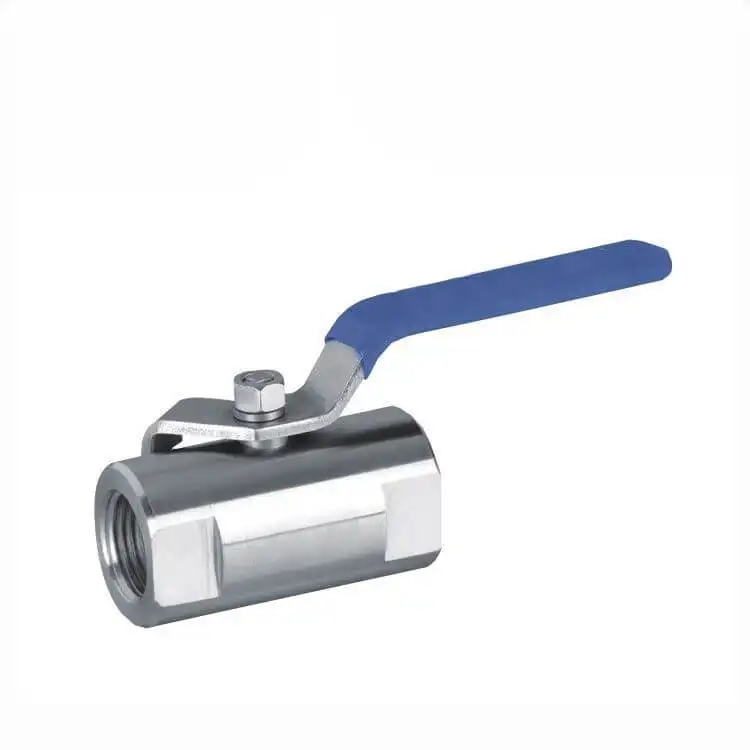
A 1-piece valve is a single cast body with the ball inserted through one end during manufacture. Fewer joints mean fewer potential leak paths to atmosphere, and the body is structurally the stiffest of the three. As a sealed, low-cost shut-off, it does its job.
Two things catch buyers out.
The reduced port. Most 1-piece valves come with a port one nominal size smaller than the pipe: a DN25 valve with roughly a DN20 opening. That restriction costs flow. As a rule of thumb, a reduced port passes around 60–70% of the Cv of an equivalent full-port valve. On a drain line, irrelevant. On a line that was hydraulically sized tight, your pump quietly works harder for the life of the installation. If you want to see how a restriction translates into pressure drop for your flow rate, the calculation method in our [butterfly valve vs ball valve guide] works the same way here.
Zero serviceability. There is no repair path. When the seat fails, the valve comes out of the line and goes in the bin. If it's threaded, that's twenty minutes and a new valve. If someone welded it in, it's a cutting job.
That leads to the rule nobody states plainly enough: never weld a 1-piece valve into a line. Welding heat destroys PTFE seats, and a 1-piece valve can't be opened to rescue them. You get a leaky valve that cannot be fixed, only cut out.
Where 1-piece valves genuinely belong: compressed air, cooling water, instrument lines, drains. Anything low-cycle, low-criticality, where the price of the valve is the whole conversation.
2-Piece Valves: The Default, With One Weak Joint
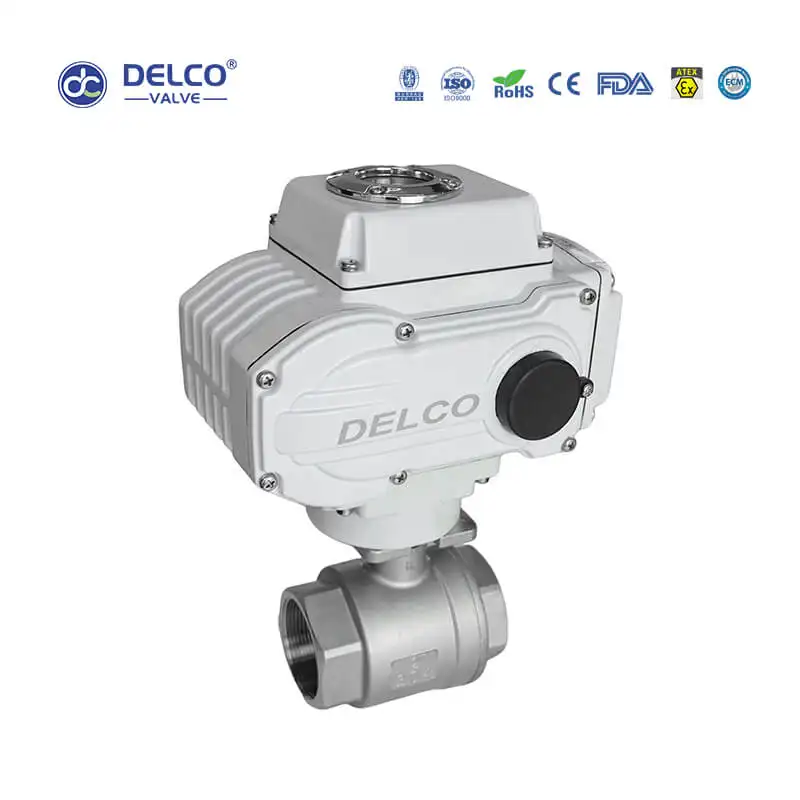
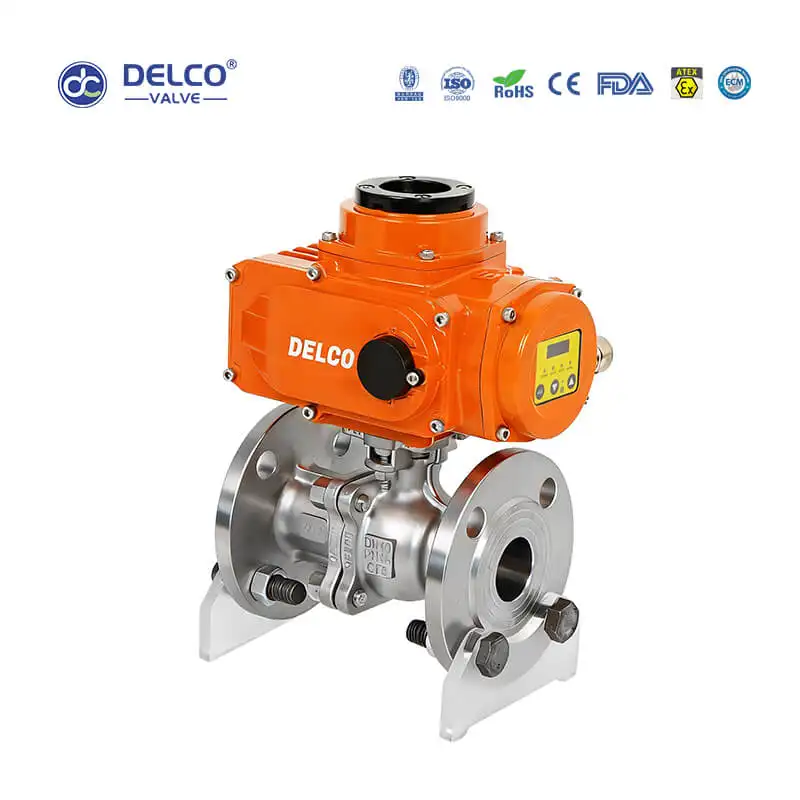
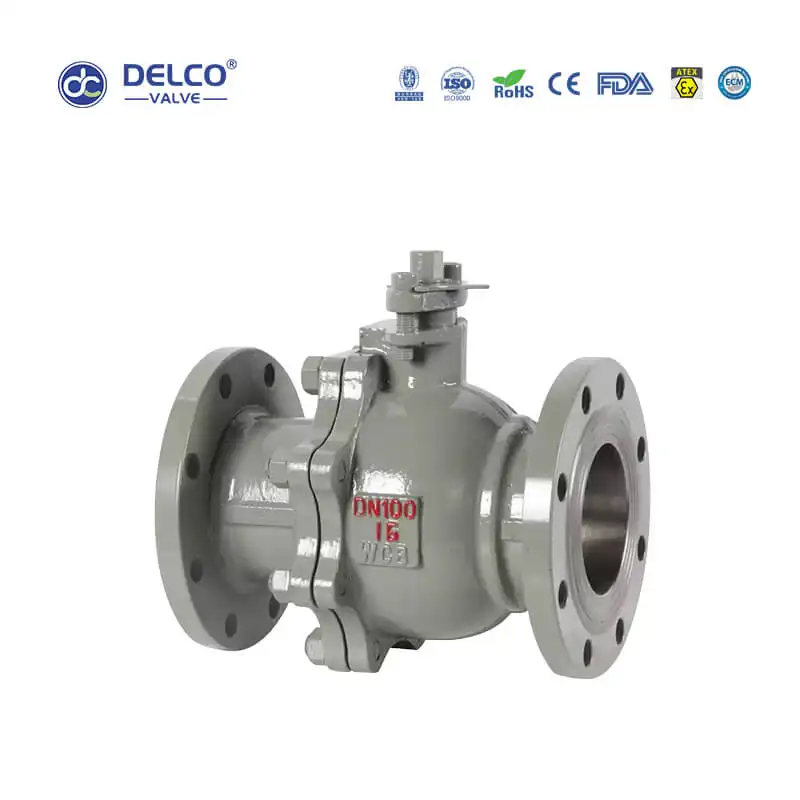
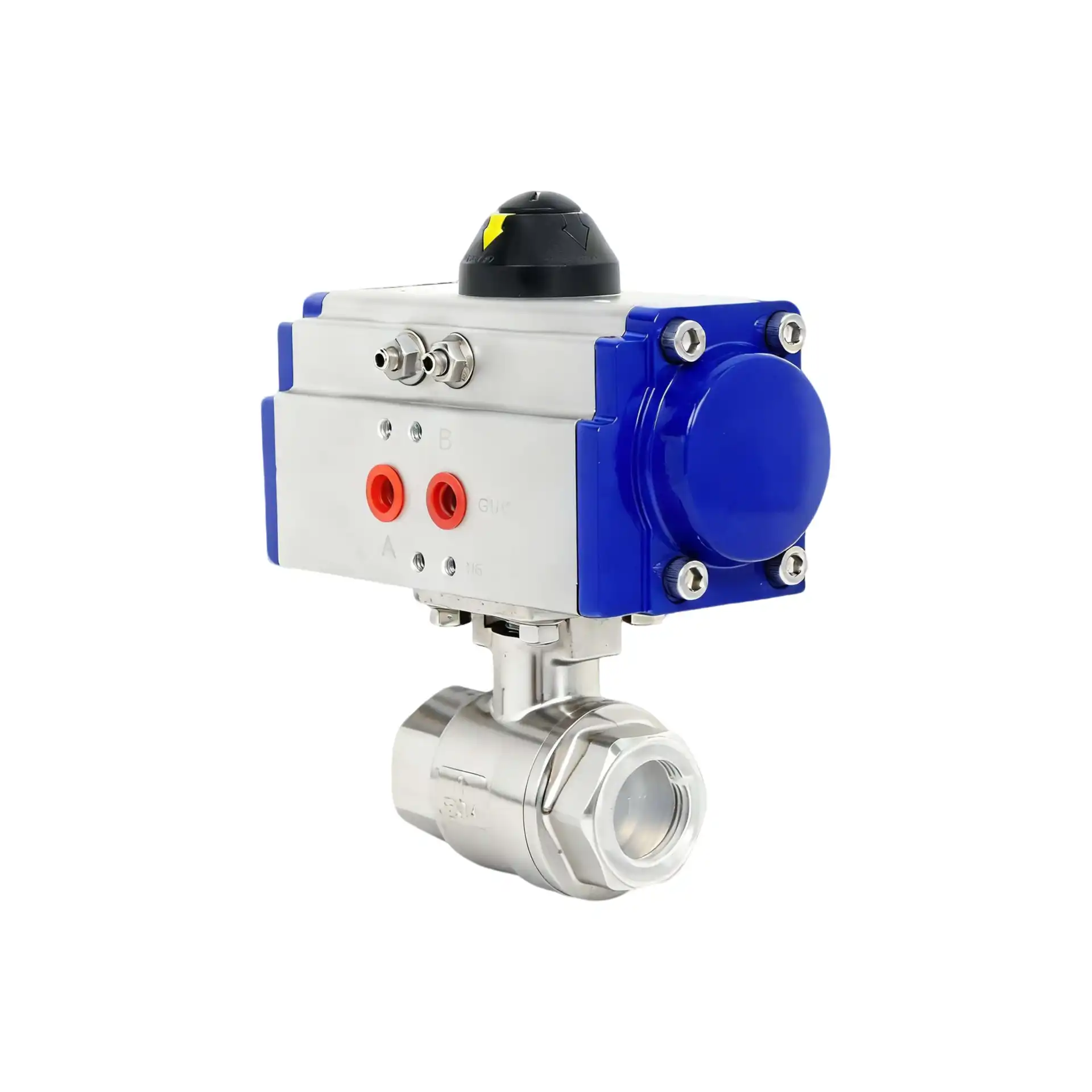
A 2-piece valve splits into a main body and an end connector, usually joined by a threaded or bolted joint. This is the volume seller across general industry, and most buyers don't need more than this.
What you gain over the 1-piece: a full port in most designs (no Cv penalty), higher pressure capability from the heavier body, and a repair path. Seats and seals can be replaced.
What you pay for it: that repair requires line removal. Break the flanges or unscrew the ends, pull the valve, service it on the bench, reinstall, realign. On a threaded DN25 water line, that's an afternoon. On a DN100 flanged process line, it's a shutdown.
And one point most guides skip: the body joint itself is a potential leak path. On thread-together 2-piece designs, process temperature cycling can work that joint loose over time; we've seen 2-piece valves weep at the body seam on lines with regular thermal swings of 50°C or more. If your process runs hot-cold-hot, specify a bolted-body design or step up to a 3-piece, and re-check body joint tightness during routine maintenance.
Best fit: oil and gas, water treatment, chemical lines on threaded or flanged piping where occasional maintenance is acceptable.
3-Piece Valves: What the Extra Money Buys
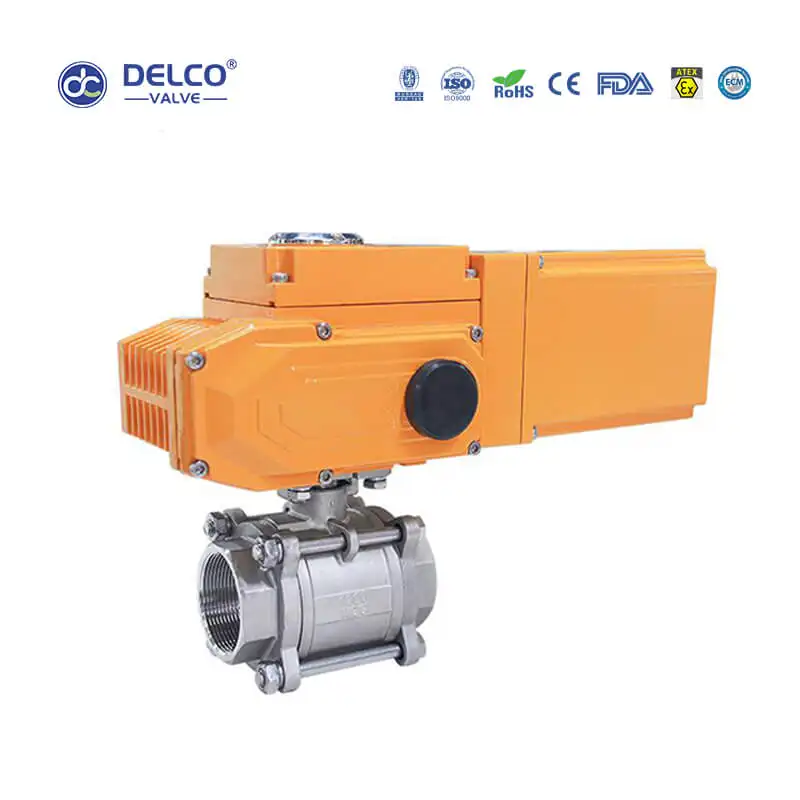
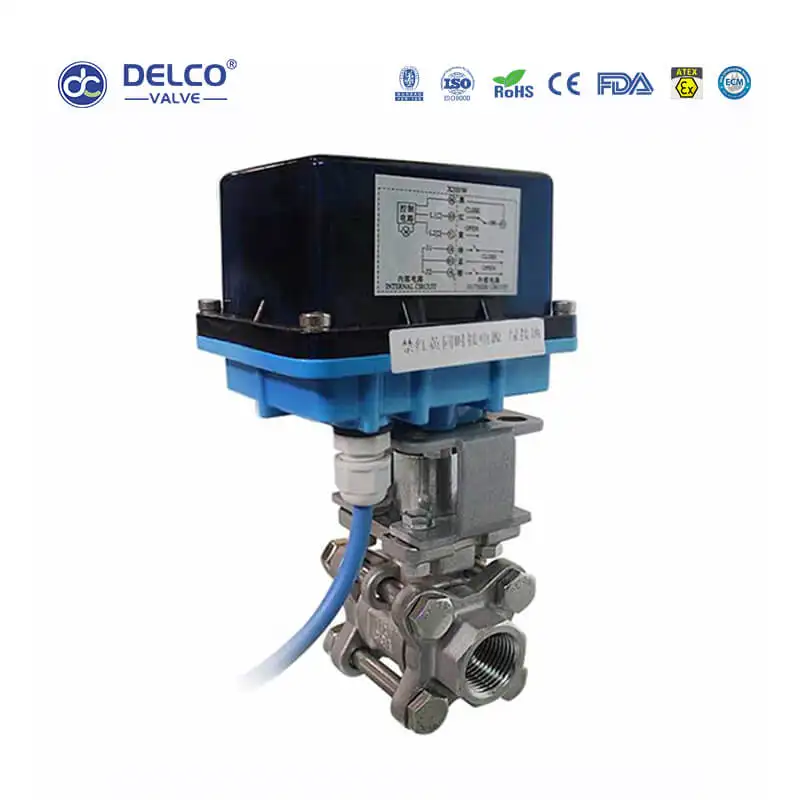
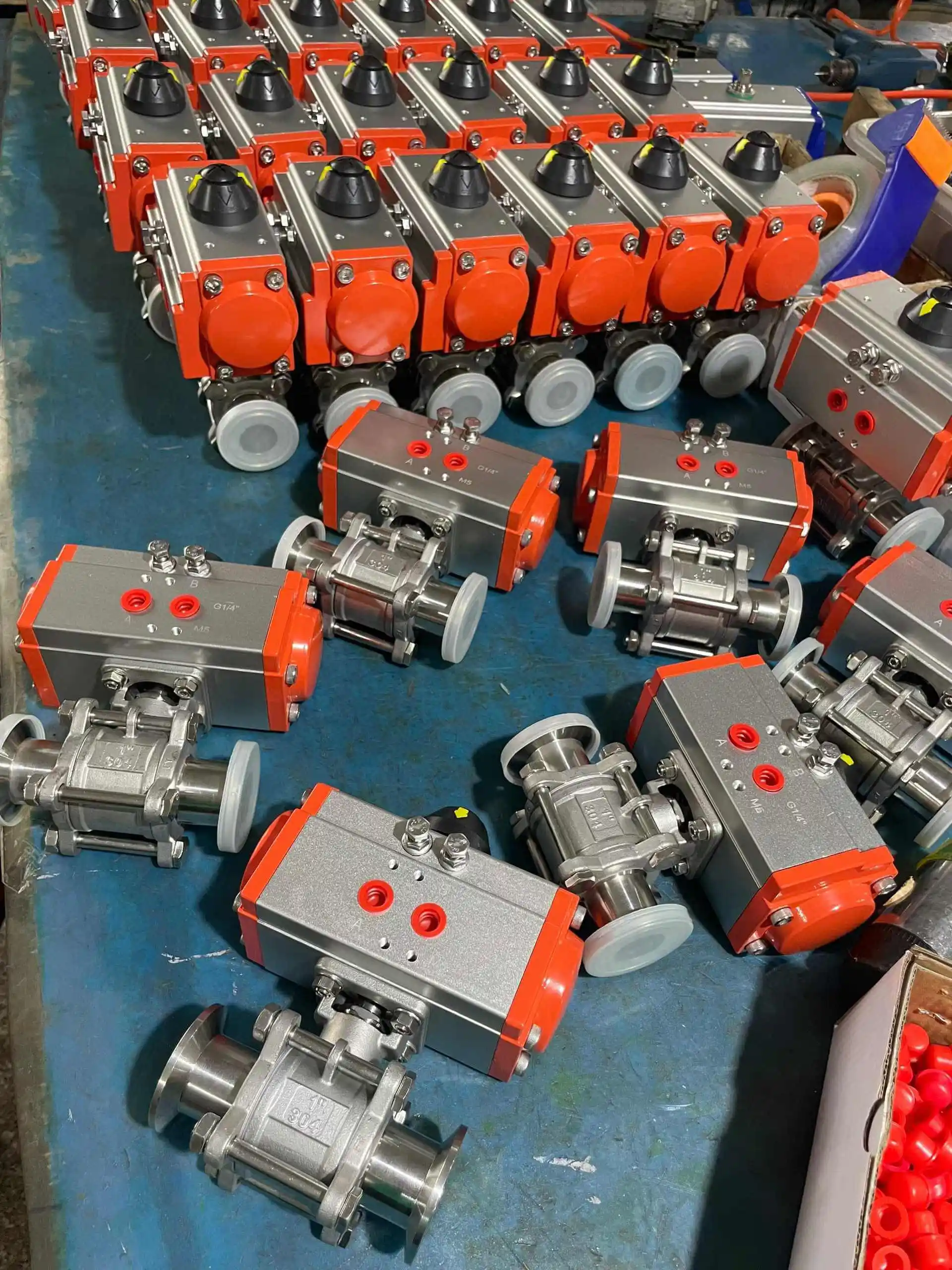
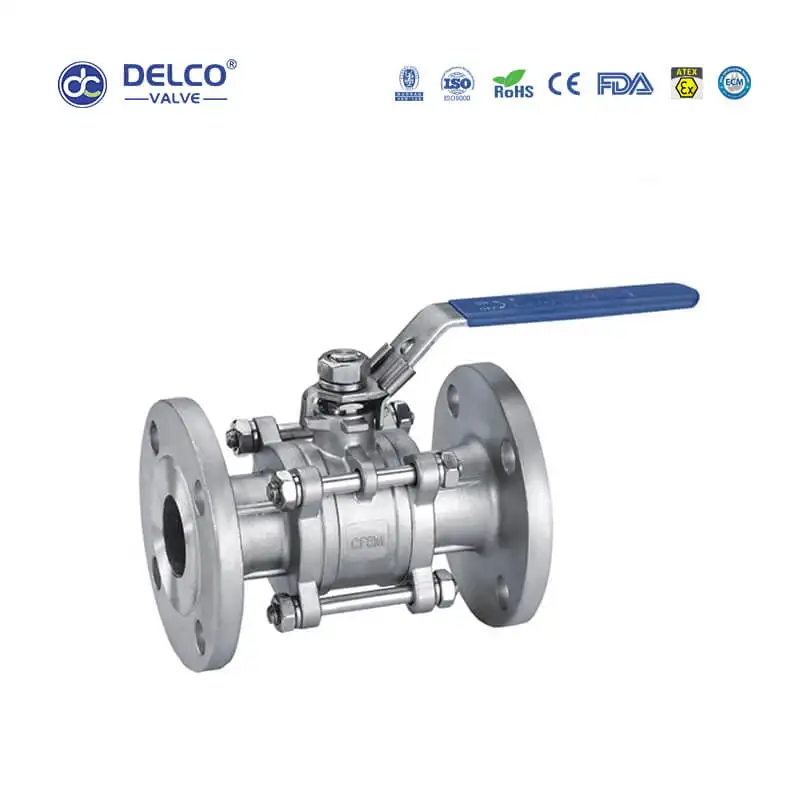
The 3-piece design splits into a center body and two end caps, held together by body bolts. That geometry is what you're paying the typical 30–50% premium for, and it buys three things.
In-line maintenance. The end caps stay fixed to the pipe. Back off the body bolts, swing the center section out, swap seats and seals, bolt it back. A seat change that takes hours on a 2-piece valve takes minutes on a 3-piece, without disturbing pipe alignment or welds. On a process line where downtime is measured in thousands per hour, the premium pays for itself the first time a seat fails.
Weld-in compatibility. Because the center body comes out, you can weld the end caps into the line with the seats safely on the bench. On welded piping systems, which means most modern process plants, this makes the 3-piece the only sensible ball valve, not a luxury.
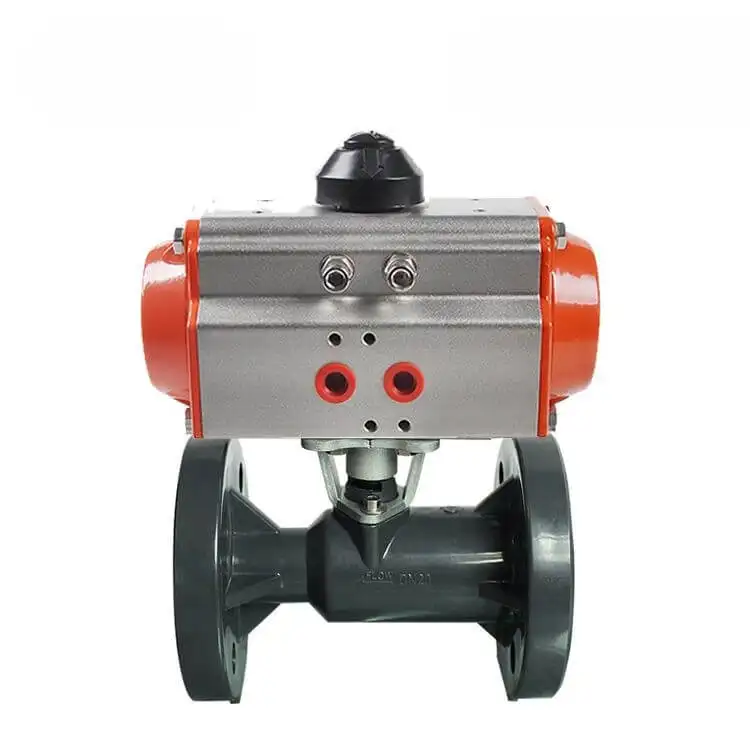
An automation-ready platform. Most quality 3-piece valves arrive with an ISO 5211 mounting pad on the stem. An electric or pneumatic actuator bolts straight on, no bracket fabrication. If the valve will ever be automated (and on high-cycle lines it usually should be), the sizing method is in our [valve actuator torque guide]. One note: 3-piece bodies with metal seats can demand significantly more actuator torque than the soft-seated equivalent, so check both before ordering.
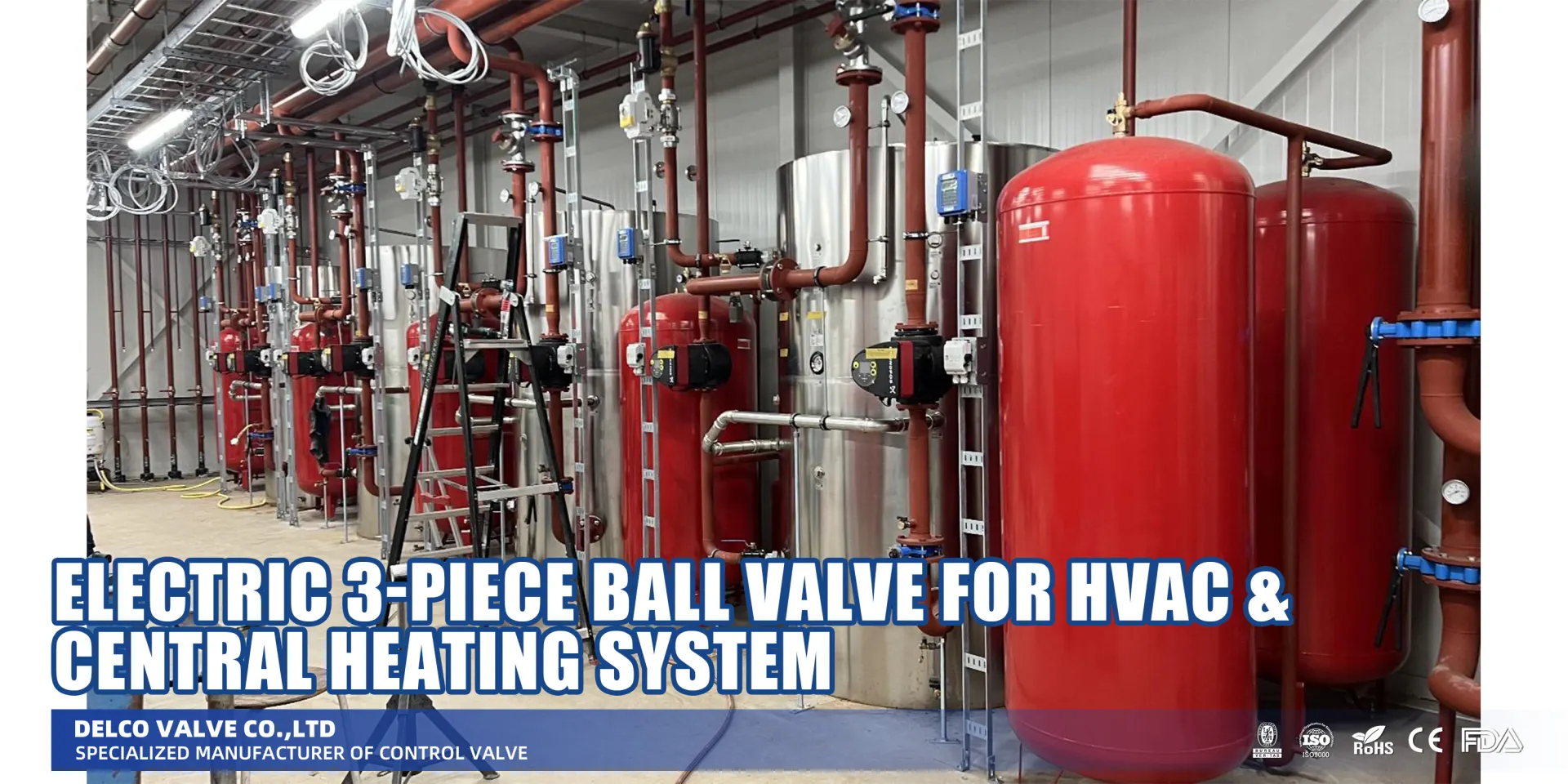
Case in point: HVAC central heating, Russia
For a central heating and HVAC project in Russia, we supplied electric-actuated 3-piece ball valves. The reasoning on the customer side was straightforward: heating circuits cycle constantly through the season, seats are wearing parts, and nobody wants to drain and cut a heating loop in a Russian winter to swap a valve. The 3-piece body let the maintenance team service seats in place, and the ISO 5211 platform took the electric actuators without adapters. Read the case
Seat material choices matter as much as body style here. If your media is abrasive or hot, the soft-seated vs metal-seated trade-off is covered in [our seat material selection guide].
The Reassembly Trap Nobody Writes About
Here is the field problem we run into more than any other with 3-piece valves — and it never appears in buying guides.
After a swing-out service, the center body goes back with body bolts. Torque them wrong and you undo everything the design gave you:
- Under-torqued: the body weeps externally at the joint.
- Over-torqued or unevenly torqued: the seats deform, the valve turns hard, and the ball can be preloaded against the seats. Actuator sizing goes out the window; a valve that worked on manual handle torque may stall a correctly-sized actuator.
The fix is simple discipline: tighten body bolts to the manufacturer's specified torque, in a cross pattern, in stages. And re-check after the first thermal cycle, because bolt preload relaxes as everything heats and settles.
In-line maintenance saves labor. It doesn't remove the need to reassemble like a mechanic rather than a gorilla.
A Word for Distributors and Stockists
Every guide on this topic, including the ones ranking page one, is written for the end buyer. If you're a distributor deciding what to stock, your math is different.
Carry 2-piece as your volume line. It answers the majority of general-purpose demand, and replacement is the typical service model.
Carry 3-piece for customers on welded lines and high-cycle processes, and stock the repair kits, not just valves. A seat-and-seal kit typically runs a small fraction of the price of a new valve (as a rough range, 20–35% for common stainless sizes). The kit sale is recurring, the customer stays with you through the valve's whole service life instead of shopping for a replacement, and your customer's maintenance crew learns your part numbers. That's a better business than selling the valve once.
For 1-piece, treat it as a commodity line for utility work: price-driven, low support expectation.
Quick Decision Checklist
- Is the line welded? Yes → 3-piece. Don't weld 1- or 2-piece valves in place.
- Does the valve cycle daily? Yes → 3-piece (seat wear arrives fast; serviceability pays).
- Hygiene or harsh media? Yes → 3-piece with the right [seat material].
- Tight CAPEX on a low-criticality utility line? 1-piece, and plan for replacement, not repair.
- Everything else? 2-piece. It's the standard for a reason.
- Automation now or later? Choose a valve with an ISO 5211 pad either way. It keeps the actuator bolt-on later. [Sizing guide here.]
FAQ
Is a 3-piece ball valve worth the extra cost?
On welded lines, high-cycle service, or any process where an hour of downtime costs more than the valve: yes, unambiguously. On a rarely-cycled utility line: no, and anyone who tells you otherwise is selling you something.
Can I weld a 1-piece or 2-piece ball valve into my pipeline?
You shouldn't. Welding heat destroys the polymer seats inside, and neither design opens up to rescue them. For weld-in installations, use a 3-piece valve, remove the center body, and weld the end caps with the seats safely on the bench.
Is a reduced port really a problem?
Depends on the line. A reduced port passes roughly 60–70% of the Cv of a full port, which shows up as permanent pressure loss. If the line was sized with margin, it's invisible. If it was sized tight, your pump pays for it every day it runs.
Which body style handles higher pressure?
2-piece and 3-piece designs, generally. Heavier bodies and proper bolting support higher classes; 1-piece valves are typically rated for lighter commercial duty. Always confirm the actual pressure class against the datasheet rather than the body style alone.
Need the right ball valves for your pipeline or distribution inventory?
Send us your project specs or line list — the DELCO Engineering Team will return a tailored body-style recommendation, torque sizing for automation, and catalog pricing within 24 hours.
📩 Request Technical Sizing & Quote 👇
Related reading:
Share on Social:


