



 Home /
 Electric 3-Piece Ball Valve for HVAC & Central Heating System — Russia Project Case

Gate Valve vs Ball Valve: Key Differences & How to Choose
Aug 31, 2026
Electric Ball Valve for Seawater Treatment: Saudi Arabia Project Case Study
Aug 26, 2026
V-Port Ball Valve vs Globe Control Valve for Flow Modulation
Aug 22, 2026
Soft vs Metal Seated Ball Valves: How to Choose for Severe Service
Aug 19, 2026
Choosing the right electric 3-piece ball valve for HVAC systems can directly affect heating efficiency, maintenance costs, and long-term reliability.
In a recent Russia central heating project, the plant room required motorized valves that could handle hot-water circulation, integrate with the control system, and remain easy to service in-line.
This case study explains why electric 3-piece ball valves were selected, how they performed in the HVAC application, and what buyers should consider when choosing valve size, actuator voltage, pressure rating, and control options.
Let’s get into the project details.
Project Overview: Electric 3-Piece Ball Valves in Russia HVAC Plant Room
Project Background and Heating System Challenges
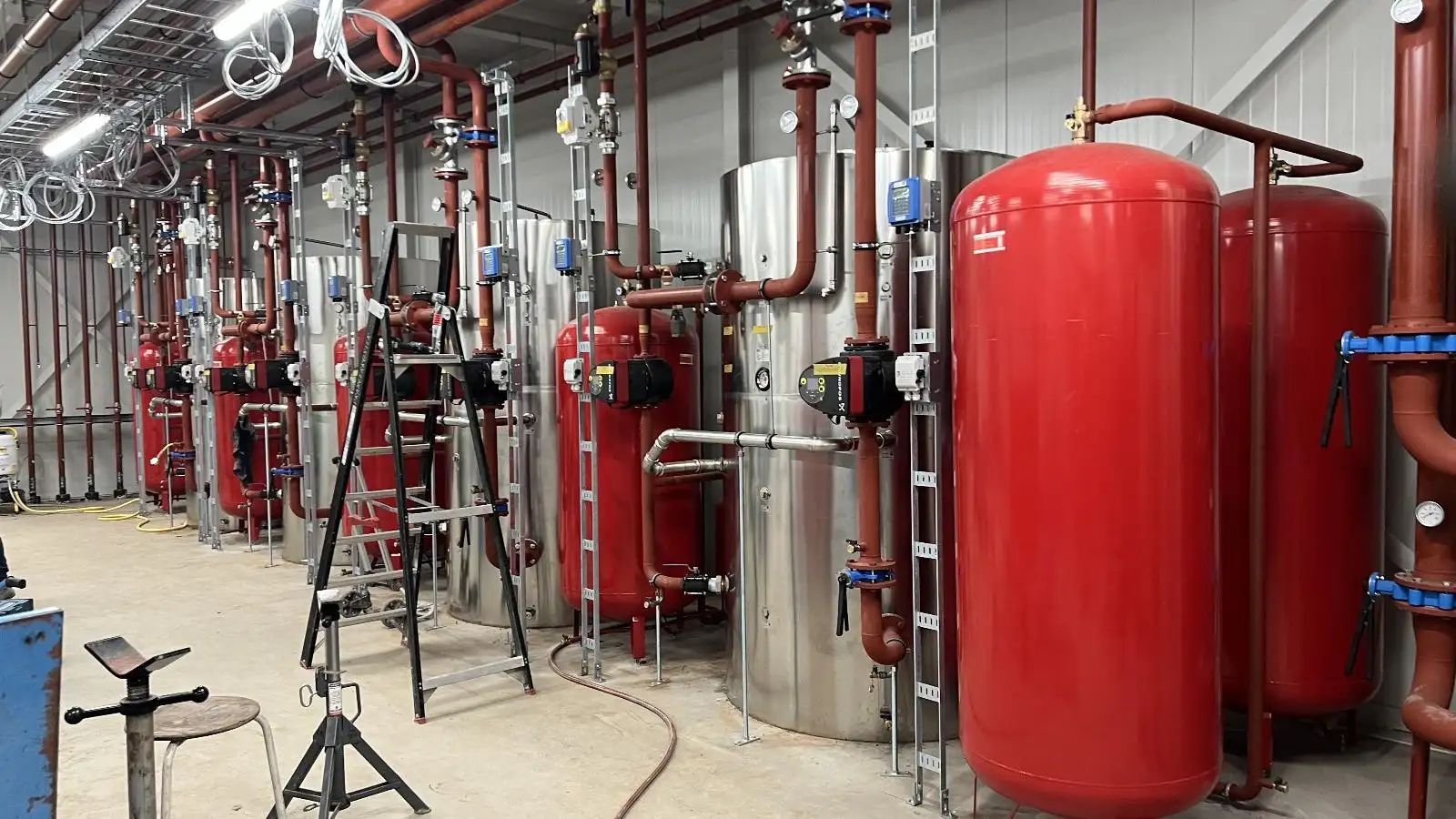
This Russia central heating project required dependable automated flow control within an HVAC plant room serving hot-water heating loops. The system needed stable temperature management, responsive isolation, and reduced heat loss around boiler and heat-distribution equipment.
DELCO applied its experience in automated industrial valve solutions to support a configuration suited to commercial HVAC and central heating service. The objective was reliable remote operation while maintaining effective shutoff across the heating pipeline.
Project Details: Valve Model, Size, Quantity, and Application
The project application used DELCO electric 3-piece ball valves with quarter-turn electric actuators for central heating and hot-water loop control. Available threaded and flanged connection options allow the valve arrangement to be matched to site pipeline requirements.
Project-specific details—including valve size, quantity, pressure rating, voltage, body material, and end connection—are configured according to the actual installation conditions. These electric actuator valves are suitable for:
- Boiler and storage-unit isolation
- Hot-water circulation lines
- Commercial HVAC plant rooms
- Central heating distribution loops
- Automated heating flow control points
Why 3-Piece Electric Ball Valves Were Selected
The electric 3-piece ball valve for HVAC systems combines a serviceable valve construction with automated quarter-turn operation. Its design supports efficient maintenance while the actuator provides remote opening, closing, and automated control for heating-loop operation.
Key selection considerations included:
- Tight isolation to help maintain stable system temperatures
- Automated operation for remote HVAC management
- Precise flow control for heating-water circulation
- Custom configuration for voltage, dimensions, materials, mounting style, and pressure requirements
- Protection options including IP67 explosion-proof and IP68 waterproof electric actuators
Installation Process and Operation Results
The electric 3-piece ball valves were installed as part of the HVAC plant room control arrangement, with the actuator matched to the project’s operating and electrical requirements. Correct alignment, secure mounting, and connection selection are essential for dependable valve movement and pipeline sealing.
In operation, the motorized ball valve arrangement supports rapid remote isolation and controlled heating-water flow. This helps the central heating system maintain stable temperatures, improve operational control, and support energy-efficient management of boiler and distribution loops.
What Is an Electric 3-Piece Ball Valve for HVAC Systems?
An electric 3-piece ball valve for HVAC systems combines a quarter-turn electric actuator with a three-piece ball valve body. It provides automated on/off isolation and controlled flow handling in heating, hot water, and chilled water pipelines. Our 3-piece stainless steel motorized valve design supports practical service access while helping HVAC operators manage flow remotely.
Working Principle of Motorized Ball Valves
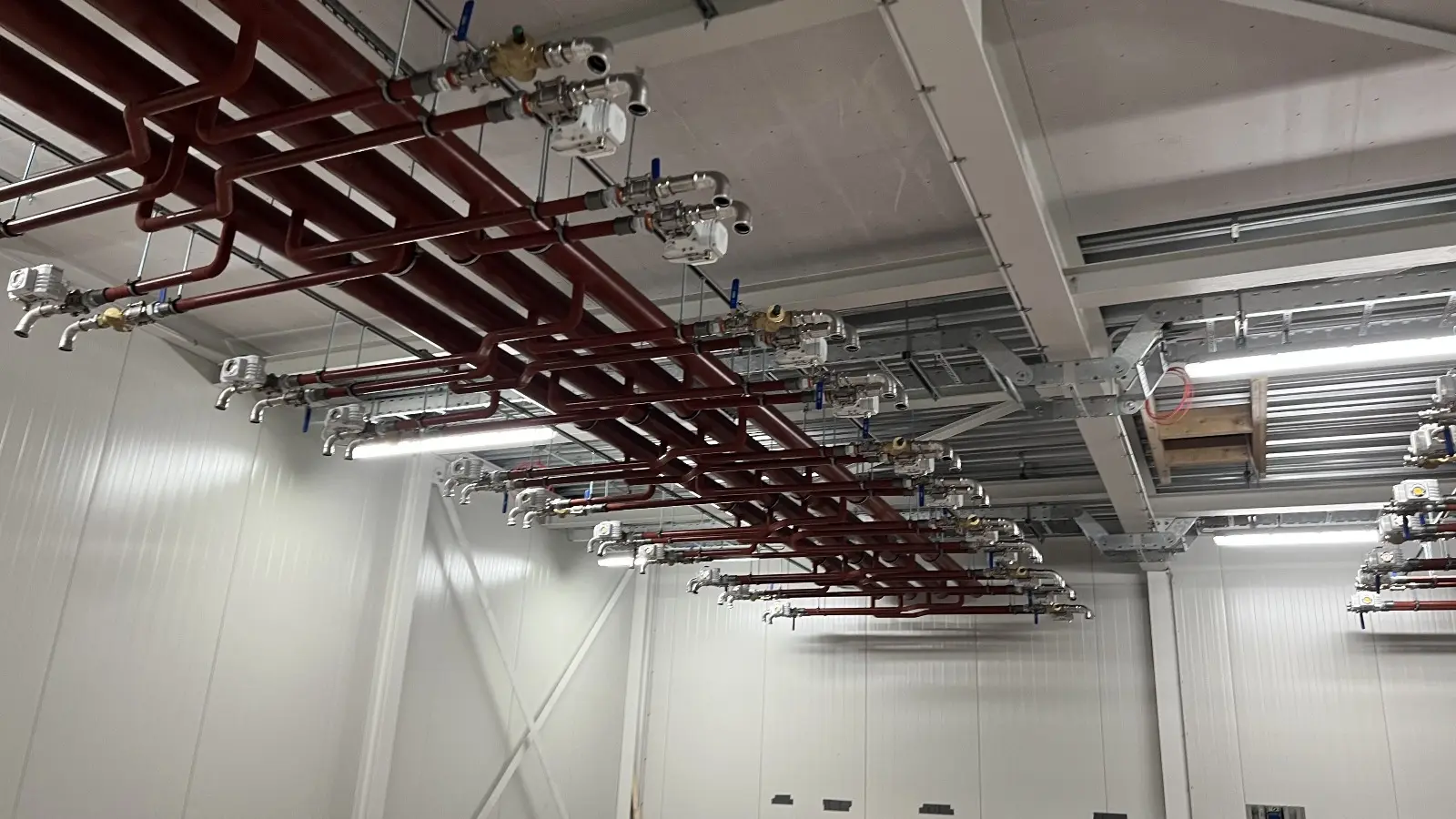
A motorized ball valve uses an electric actuator to rotate the valve ball through 90 degrees.
- Open position: The ball bore aligns with the pipeline, allowing fluid to pass.
- Closed position: The ball turns across the flow path to isolate the line.
- Automated operation: The actuator receives an electrical control command and drives the valve without manual turning.
This quarter-turn action supports rapid remote operation in automated HVAC systems. DELCO offers 2-way 3-piece stainless steel motorized ball valves for industrial automation where reliable electric actuation and maintainable valve construction are required.
Role in HVAC and Central Heating Flow Control
In a central heating system, an electric actuator valve can be installed to control isolation and water movement around boilers, storage units, and heating loops. In chilled water applications, it helps manage pipeline flow while supporting stable operating temperatures.
HVAC dutyFunction of the electric ball valveBoiler isolationOpens or closes a water line remotelyHeating loopsControls flow through designated pipe sectionsChilled water loopsSupports automated isolation and flow managementPlant room systemsHelps connect valve operation to remote control arrangements
Tight isolation and automated control can help reduce unwanted heat transfer and support efficient system operation.
3-Piece vs 3-Way Ball Valve: Key Differences
A 3-piece ball valve refers to the valve body construction. It is generally used as a 2-way valve for opening or closing a straight pipeline.
A 3-way ball valve refers to the number of ports and flow paths. It is used for diverting or merging fluid flow between pipelines.
Valve typeMain purposeTypical HVAC use3-piece electric ball valve2-way shut-off and isolationHot water, chilled water, boiler lines3-way electric ball valveFlow diversion or mixingBypass lines and multi-direction flow control
For systems that require diversion or merging rather than simple isolation, our electric 3-way flanged ball valve for fluid diversion and merging provides a suitable automated configuration.
Main Components: Actuator, Valve Body, and Sealing System
An electric 3-piece ball valve is built around three working elements:
- Electric actuator: Converts electrical commands into quarter-turn valve movement. Options can be matched to project voltage, torque, and enclosure requirements.
- Three-piece valve body: A sectional valve construction that supports in-line maintenance and replacement work without removing the full pipe installation.
- Ball and sealing system: The ball controls the flow path, while the seat and seals support dependable shut-off performance.
- End connections: Threaded and flanged configurations can be selected for different HVAC piping layouts.
DELCO can customize valve size, dimensions, body and seat materials, pressure ratings, mounting styles, actuation type, and voltage options for project-specific HVAC requirements.
Advantages of 3-Piece Motorized Ball Valves for HVAC
Easy In-Line Maintenance and Repair
Our electric 3-piece ball valve uses a service-friendly body design that supports maintenance without removing the full valve assembly from the pipeline. This is valuable in HVAC plant rooms, central heating loops, and water circulation lines where reducing shutdown time matters. The three-piece construction also supports practical servicing of internal components when required.
Precise Flow and Temperature Regulation
A motorized ball valve provides automated opening and closing for controlled water flow through HVAC systems. Combined with a quarter-turn electric actuator, it supports rapid remote isolation and dependable flow control for heating and chilled water circuits. Tight shut-off helps maintain stable system temperatures around boilers, storage units, and distribution loops while limiting unnecessary energy loss.
High Pressure and Temperature Resistance
DELCO electric 3-piece ball valves are available with customized pressure ratings, valve materials, seat materials, and end connections to match project conditions. Threaded and flanged configurations are available for different piping layouts. For demanding media or corrosion concerns, our PTFE-lined butterfly and ball valve solutions provide additional material-selection guidance.
Smart Control and BMS Integration
An electric actuator valve supports remote operation within automated HVAC control arrangements. We can tailor voltage options, mounting styles, dimensions, and actuation requirements for project-specific control needs. IP67 explosion-proof and IP68 waterproof actuator options are also available where the installation environment requires enhanced enclosure protection.
Technical Specifications and Selection Parameters
We configure each electric 3-piece ball valve for HVAC systems around the actual heating or chilled-water duty. The right combination of electrical supply, valve materials, flow capacity, and actuator protection supports stable, dependable automated control.
Voltage and Control Signals
Electric actuators can be matched to the project’s available voltage and control arrangement. This helps the motorized ball valve fit existing plant-room wiring and automated control networks.
Selection ItemProject ConsiderationVoltageMatch the site power supply and control cabinet requirementsControl typeSelect on/off operation or modulation according to the control strategyRemote controlConfirm compatibility with the HVAC automation systemWiringSpecify cable entry and mounting requirements before installation
For broader wiring and configuration guidance, see our motorized ball valve selection and wiring guide.
Materials and Seat Selection
Valve body and seat materials should match the fluid, operating temperature, pressure conditions, and connection type. DELCO supports customized body materials, seat materials, and end connections for central heating and HVAC applications.
ComponentSelection FocusValve bodyChoose a material suitable for the water loop and service environmentBall and stemConsider corrosion resistance and operating reliabilityValve seatMatch sealing material to fluid and temperature conditionsEnd connectionThreaded or flanged options can be selected for site piping
Valve Size, Pressure Rating, and Flow Capacity
Valve size should be selected from the required system flow, pipeline diameter, and allowable pressure loss. A correctly sized electric actuator valve helps maintain flow balance without creating unnecessary resistance in the loop.
Key selection inputs include:
- Required flow rate
- Pipe size and end connection
- Heating or chilled-water service conditions
- Required pressure rating
- Installation space and mounting direction
- On/off isolation or modulating flow-control duty
DELCO can customize sizes, dimensions, pressure ratings, and valve configurations to meet project requirements.
Electric Actuator Torque and Protection Rating
The actuator must provide sufficient torque to operate the ball valve reliably under actual pipeline pressure and service conditions. Quarter-turn electric actuators are used with electric 3-piece ball valves to deliver automated opening, closing, and remote flow control.
Actuator FactorSelection RequirementTorqueMatch valve size, pressure, and operating conditionsOperationQuarter-turn actuation for ball valve controlEnclosureSelect protection based on the installation environmentIP67 optionSuitable where explosion-proof protection is requiredIP68 optionSuitable where waterproof protection is required
For projects where butterfly valves are also under review, our electric butterfly valve selection guide explains key actuator and application factors.
International Standards and Certifications
DELCO is an ISO-certified valve manufacturer with more than 20 years of manufacturing experience. Our automated valve solutions can be supplied in line with applicable certification requirements, including:
- ATEX
- SIL
- CE
- RoHS
Certification requirements should be confirmed during project selection, especially for sites with specific safety, environmental, or electrical compliance needs.
HVAC and Central Heating Applications
Fan Coil Units and Hydronic Heating
Our electric 3-piece ball valves provide dependable on/off isolation and automated flow control in fan coil and hydronic heating systems. With a quarter-turn electric actuator, the motorized ball valve can support remote control of water flow to help maintain stable room temperatures across commercial HVAC zones.
The 3-piece body design also supports practical in-line servicing where maintenance access is important.
Hot Water and Chilled Water Circulation
Electric actuator valves are suitable for hot water and chilled water loops that require rapid operation, tight isolation, and consistent temperature control. They can be configured with threaded or flanged connections to match project piping requirements.
For applications where a compact wafer design is preferred, our stainless steel butterfly valve for HVAC and water systems is another option for automated water-flow isolation.
Boiler and Radiant Floor Heating Systems
In boiler lines, storage-unit isolation, and radiant floor heating networks, an electric 3-piece ball valve helps control water distribution and isolate sections during operation or service. Our electric valves can be customized for voltage, pressure rating, materials, mounting style, and actuator protection requirements, including IP67 explosion-proof and IP68 waterproof enclosure options.
Electric 3-Piece Ball Valve Comparison Guide
3-Piece vs 1-Piece and 2-Piece Ball Valves
For HVAC and central heating isolation, body construction affects maintenance access and system downtime. Our electric 3-piece ball valve uses a three-section body design that supports service access without removing the full valve from the pipeline.
Valve TypeBody DesignMaintenance AccessHVAC Use1-piece ball valveSingle bodyLimited accessBasic isolation where servicing is less frequent2-piece ball valveTwo connected sectionsMore accessible than 1-pieceGeneral automated piping applicationsElectric 3-piece ball valveThree-section bodySuitable for in-line maintenanceHVAC, hot water, chilled water, and central heating loops
A 3-piece motorized ball valve is a practical choice where maintenance planning, tight isolation, and automated operation are important. Threaded systems can use an electric 3-piece threaded ball valve designed for easy maintenance, while flanged pipelines can use an IP67 electric 3-piece flanged ball valve.
Electric Ball Valve vs Butterfly Valve for HVAC
Both valve types support automated HVAC flow control, but they serve different piping and control needs.
Comparison PointElectric 3-Piece Ball ValveElectric Butterfly ValveClosing actionQuarter-turn ball shut-offQuarter-turn disc movementIsolation useStrong choice for tight isolationSuitable for general isolation and controlTypical pipeline fitSmall to medium HVAC linesOften selected for larger pipe sizesMaintenance design3-piece body supports in-line servicingDepends on valve and connection designControl applicationHot water, chilled water, boiler, and storage isolationCooling water, circulation, and larger distribution lines
For plant rooms and central heating systems, an electric 3-piece ball valve is often selected for automated on/off isolation and controlled flow in compact pipework. Butterfly valves remain a suitable option where larger pipeline dimensions and broad flow control requirements are the main priority.
Buyer Selection Guide
How to Select Valve Size Based on Flow Rate
We size an electric 3-piece ball valve around the required flow rate, pipeline size, pressure conditions, and control duty. A valve that is too small can restrict circulation. A valve that is too large may make stable HVAC flow control more difficult.
Selection factorWhat to confirmFlow requirementRequired water flow in the heating or chilled-water loopPipe connectionThreaded or flanged connection and matching line sizeOperating pressureProject pressure rating and system conditionsControl dutyOn/off isolation or automated modulationInstallation spaceValve dimensions, actuator position, and mounting access
For central heating projects, we can customize valve size, dimensions, pressure rating, end connection, and actuator configuration to suit the site layout.
Choosing Between 2-Way and 3-Way Valves
A 2-way electric ball valve is generally selected for open/close isolation or direct flow control in a single pipeline. It is suitable for boiler isolation, storage units, and heating or chilled-water branches that require tight shut-off.
A 3-way valve serves a different routing purpose. It is used where the system needs to divert or mix flow between lines. The valve choice should follow the piping design and intended flow path.
Valve typeTypical HVAC control role2-way electric ball valveIsolation and direct flow control3-way valveFlow diversion or mixing between pipelines
The 3-piece body design refers to the valve construction, while 3-way refers to the number of flow ports. These terms describe different features and should not be treated as interchangeable.
Selecting Voltage and Certification Requirements
We match the electric actuator valve to the available site voltage and control arrangement. DELCO supports customized voltage options and can configure products around project-specific actuation requirements.
For demanding installations, actuator enclosure protection should also be reviewed. Available options include IP67 explosion-proof and IP68 waterproof electric actuators. Our manufacturing and product approach is supported by ISO certification and ATEX, SIL, CE, and RoHS compliance credentials.
RequirementSelection focusPower supplyMatch actuator voltage to the installationRemote controlConfirm the required automated control methodEnvironmentSelect suitable enclosure protectionComplianceReview project certification requirementsValve constructionConfirm body and seat material needs
For projects comparing automated valve technologies, our guide to motorized valves and solenoid valves explains their different operating roles.
Manual Override and Fail-Safe Options
Manual operation requirements should be confirmed before selecting an electric 3-piece ball valve. Plant rooms may need a practical method for operating or isolating a valve during commissioning, servicing, or a control-system interruption.
Key project details to define include:
- Required manual operation method
- Normal valve position for the heating loop
- Remote-control and local-control needs
- Access space around the actuator
- Site safety and shutdown requirements
We review these points with the valve body, actuator mounting style, voltage, and control requirements so the finished motorized ball valve fits the HVAC system and project operating plan.
Installation and Maintenance Recommendations
Electrical Wiring and Actuator Installation
Install each electric 3-piece ball valve with the actuator positioned for safe access, inspection, and future servicing. Confirm that the valve is aligned with the pipeline and supported correctly so pipe stress is not transferred to the valve body or electric actuator.
For HVAC and central heating systems, match the actuator wiring to the specified site voltage and control method before energizing the unit. Use protected cable routing, secure terminal connections, and appropriate earthing practices. Check the open and closed travel positions during commissioning to confirm reliable remote isolation and flow control.
Where the plant room is exposed to moisture, dust, or demanding operating conditions, select an actuator enclosure suitable for the installation environment. DELCO can match actuator voltage, mounting style, and protection requirements for the project. Our guide on how electric valve actuators reduce energy use and operating costs also explains the value of properly controlled automated valves.
Maintenance Tips for Long Service Life
A 3-piece motorized ball valve supports practical in-line service when maintenance is needed. Keep the valve exterior, actuator housing, and wiring connections clean and dry. During regular plant inspections, verify that the actuator responds smoothly to control commands and that the valve provides tight shut-off without leakage.
For dependable HVAC system operation:
- Inspect electrical terminals and cable entries for looseness or damage.
- Check valve body connections and sealing areas for signs of leakage.
- Cycle the electric actuator valve periodically if it remains in one position for long periods.
- Confirm that the actuator torque remains appropriate for the valve and operating conditions.
- Isolate electrical power and pipeline pressure before service work.
Routine inspection helps maintain stable temperature control, reliable hot water or chilled water circulation, and long-term performance in central heating applications.
Frequently Asked Questions
What is an electric 3-piece ball valve for HVAC systems?
An electric 3-piece ball valve combines a ball valve body with a quarter-turn electric actuator. It supports automated opening, closing, and flow control in HVAC, central heating, hot water, and chilled water pipelines.
Why use a 3-piece valve body in a central heating system?
The three-piece construction is designed to support in-line maintenance. The valve can be serviced without removing the complete body from the pipeline, helping reduce maintenance time in plant rooms and distribution loops.
Can an electric 3-piece ball valve be used for hot and chilled water?
Yes. Our electric 3-piece ball valves are suited to commercial HVAC applications, including heating loops, chilled water circulation, and boiler or storage-unit isolation. Final valve materials, pressure ratings, and actuator configuration should match the project conditions.
Which actuator protection options are available?
We provide quarter-turn electric actuator options with IP67 explosion-proof and IP68 waterproof protection. The appropriate enclosure depends on the installation environment and site protection requirements.
Can the valve be customized for project requirements?
Yes. DELCO provides OEM and ODM valve solutions, including voltage options, valve dimensions, body and seat materials, mounting styles, pressure ratings, end connections, actuator types, and coating colors.
Is a 3-piece ball valve the same as a 3-way ball valve?
No. A 3-piece ball valve describes the valve body construction. A 3-way ball valve describes the number of flow ports and is used for diverting or mixing flow. A 3-piece electric ball valve is commonly selected for reliable two-way isolation and automated control.
How does an electric actuator improve HVAC operation?
An electric actuator enables remote operation and automated flow adjustment. It helps central heating and HVAC systems maintain stable temperatures, provide tight isolation, and support efficient management through the control system.
What certifications does DELCO support?
DELCO is an ISO-certified valve manufacturer with product certification support including ATEX, SIL, CE, and RoHS. Certification requirements should be confirmed against the selected valve and actuator configuration.
Can electric ball valves support accurate flow control?
Electric actuated ball valves can provide automated modulation and rapid isolation where required by the system design. For broader industrial flow control solutions, DELCO engineering support can match the valve configuration to operating conditions.
Related HVAC Valve Projects by DELCO Valve
DELCO Valve supports automated flow control across commercial HVAC, heating, cooling, and water circulation projects. Our electric 3-piece ball valve solutions are designed for reliable isolation and controlled flow in central heating plant rooms, boiler connections, storage units, and chilled water loops.
For larger pipe sizes and fast-installation requirements, our motorized grooved butterfly valves for HVAC and fire systems provide another automated valve option. We also apply electric butterfly valve solutions to energy-focused HVAC flow management, as shown in our HVAC electric butterfly valve project in Australia.
With ISO-certified manufacturing, in-house quality control, and OEM/ODM engineering support, we tailor electric actuator valves by voltage, connection type, dimensions, materials, pressure rating, mounting style, and actuator protection requirements.
Request a Customized Electric Valve Solution from DELCO Valve
DELCO Valve provides customized electric 3-piece ball valve solutions for HVAC systems, central heating loops, hot water circulation, and chilled water control. We match valve configuration and electric actuation to the operating requirements of each project.
Our engineering and pre-sales teams can support customization for:
- Voltage options and control requirements
- Threaded or flanged end connections
- Valve sizes, body materials, seat materials, and pressure ratings
- Quarter-turn electric actuators with IP67 explosion-proof or IP68 waterproof protection options
- Mounting styles, dimensions, paint colors, and OEM/ODM requirements
For projects requiring flow diversion or multi-port control, DELCO also offers an electric 3-way cast steel ball valve with flanged connections. Our ISO-certified manufacturing, in-house quality control, and technical support help deliver reliable automated flow control for demanding HVAC and industrial heating applications.
Contact DELCO Valve at inquiry@delcofluid.com or sales@delcofluid.com, or reach our team on WhatsApp at +86-15989602972 for project consultation, technical support, and customized electric valve solutions.
Share on Social:


Contact Us
In This Article
Gate Valve vs Ball Valve: Key Differences & How to Choose
Aug 31, 2026
Electric Ball Valve for Seawater Treatment: Saudi Arabia Project Case Study
Aug 26, 2026
V-Port Ball Valve vs Globe Control Valve for Flow Modulation
Aug 22, 2026
Soft vs Metal Seated Ball Valves: How to Choose for Severe Service
Aug 19, 2026